5-Day Itinerary for Rome, Italy: A Complete Travel Guide
5-Day Itinerary for Rome, Italy: A Complete Travel Guide
Planning a trip to Rome can be both exciting and overwhelming, especially when trying to make the most of your time in one of the world’s most historic and vibrant cities. With its ancient ruins, world-class art, delectable cuisine, and timeless charm, Rome offers an unforgettable experience for every traveler. Whether you’re a history buff, a food lover, or simply seeking to soak in the atmosphere of a city that has shaped Western civilization, this 5-Day Itinerary for Rome, Italy is designed to help you explore the best the Eternal City has to offer—without feeling rushed. Over the next five days, you’ll visit iconic landmarks, wander through charming neighborhoods, savor authentic Italian flavors, and uncover hidden gems that most tourists miss.
Why Choose a 5-Day Itinerary for Rome?
Rome is a city best explored at a leisurely pace. While it’s possible to see the major sights in just two or three days, doing so often means skipping deeper cultural experiences or rushing through must-see attractions. A five-day stay allows you to immerse yourself fully, enjoy relaxed meals, and take day trips to nearby destinations. This extended timeframe also gives you the flexibility to adjust your schedule based on weather, energy levels, or unexpected discoveries. Whether you’re visiting for the first time or returning to rediscover old favorites, a well-structured five-day plan ensures you make the most of your Roman adventure.
Day 1: Arrival and Exploring Ancient Rome
Your first day in Rome should focus on settling in and diving into the city’s ancient heart. Start by checking into your accommodation—consider staying in central neighborhoods like Monti, Trastevere, or near the Pantheon for easy access to major sites.
Morning: Colosseum and Roman Forum
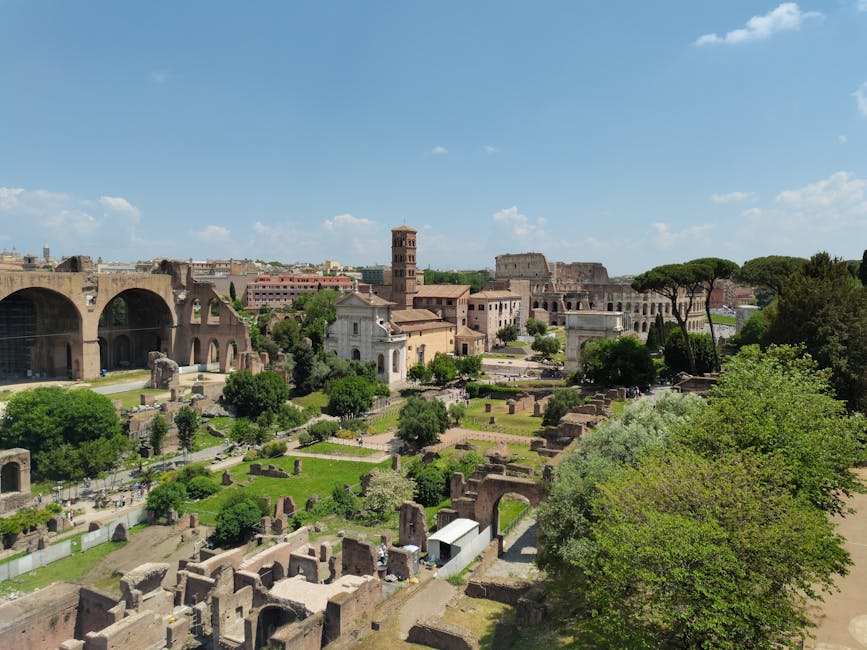
Begin your Roman journey at the Colosseum, one of the most iconic symbols of ancient engineering. Arrive early (ideally by 8:30 AM) to beat the crowds and heat. Book a skip-the-line ticket in advance to save time. After exploring the amphitheater, walk just a few minutes to the Roman Forum, the political and social center of ancient Rome. A guided tour can enhance your understanding of the ruins, but self-guided exploration with a detailed map or audio guide works well too.
Afternoon: Palatine Hill and Capitoline Museums
Climb up to Palatine Hill, where Rome’s legendary founders, Romulus and Remus, are said to have built the first settlement. The views over the Forum are spectacular. Afterward, head to the Capitoline Museums, designed by Michelangelo and home to an impressive collection of classical sculptures and artifacts. Don’t miss the Capitoline Wolf statue and the view from the museum’s terrace.
Evening: Dinner in Monti
End your first day with dinner in the charming neighborhood of Monti. This bohemian district blends ancient charm with modern flair. Try a local trattoria for authentic Roman dishes like cacio e pepe, carbonara, or supplì (fried rice balls). Pair your meal with a glass of regional wine for a perfect introduction to Italian cuisine.
Day 2: Vatican City and Trastevere
Day two takes you to the spiritual and artistic heart of Rome—Vatican City—followed by an evening in the picturesque Trastevere district.
Morning: Vatican Museums, Sistine Chapel, and St. Peter’s Basilica
Start early at the Vatican Museums, one of the world’s most visited cultural sites. Again, book skip-the-line tickets in advance. The museums house an immense collection of art and historical treasures, culminating in Michelangelo’s breathtaking Sistine Chapel ceiling. Afterward, visit St. Peter’s Basilica, the largest church in the world. Climb to the dome for panoramic views of the city and St. Peter’s Square.
Afternoon: Lunch and a Stroll Through Trastevere
Cross the Tiber River to Trastevere, known for its narrow cobblestone streets, colorful buildings, and lively atmosphere. Enjoy a leisurely lunch at a family-run osteria. After eating, wander through the neighborhood’s charming alleys, browse local boutiques, and stop by the Basilica of Santa Maria in Trastevere, one of Rome’s oldest churches.
Evening: Sunset at Janiculum Hill
For one of the best sunset views in Rome, head to Janiculum Hill (Gianicolo). It’s a short walk or taxi ride from Trastevere. The panoramic vista includes St. Peter’s Basilica, the dome of San Luigi dei Francesi, and the city skyline. Bring a bottle of wine and enjoy the moment as the city lights begin to twinkle.
Day 3: Renaissance Rome and the Pantheon
On your third day, shift focus to Rome’s Renaissance and Baroque masterpieces, centered around the historic center.
Morning: Piazza Navona and Campo de’ Fiori
Begin at Piazza Navona, a lively square built on the site of an ancient Roman stadium. Admire Bernini’s Fountain of the Four Rivers and the surrounding baroque architecture. Then walk to Campo de’ Fiori, a bustling market square by day and a vibrant nightlife hub by evening. Stop by the morning market for fresh fruit, pastries, or a quick coffee.
Afternoon: Pantheon and Trevi Fountain
Visit the Pantheon, one of the best-preserved ancient Roman buildings. Marvel at its massive dome and oculus—the only source of natural light. Afterward, walk to the Trevi Fountain, another Baroque masterpiece. Toss a coin into the fountain to ensure your return to Rome. Be prepared for crowds, especially in the afternoon.
Evening: Dinner Near the Spanish Steps
End the day near the Spanish Steps, one of Rome’s most famous landmarks. Choose a restaurant with outdoor seating to enjoy the lively atmosphere. Try abbacchio alla romana (Roman-style lamb) or a fresh seafood pasta. After dinner, take a relaxed stroll down the elegant Via dei Condotti, lined with luxury boutiques.
Day 4: Day Trip to Tivoli or Ostia Antica
Use your fourth day for a short escape from the city center. Both Tivoli and Ostia Antica offer unique experiences and are easily accessible by train.
Option 1: Villa d’Este and Hadrian’s Villa in Tivoli
Tivoli, about 30 kilometers east of Rome, is home to two UNESCO World Heritage sites. Start at Villa d’Este, a 16th-century Renaissance villa famous for its elaborate fountains and terraced gardens. Then visit Hadrian’s Villa, the luxurious retreat of Emperor Hadrian, featuring reconstructed Roman baths, theaters, and pavilions. Allow a full day for this trip, including travel time.
Option 2: Ostia Antica – Rome’s Ancient Port City
For a more accessible and equally fascinating option, visit Ostia Antica, the ancient port of Rome. Located just 30 minutes by train from Rome’s Piramide station, this archaeological site offers remarkably preserved ruins, including homes, baths, and a theater. It’s often less crowded than Pompeii but provides a similar glimpse into daily Roman life. Pack a picnic and enjoy it among the ruins.
Whichever option you choose, return to Rome in the evening for a relaxed dinner and a chance to reflect on your day.
Day 5: Local Life, Shopping, and Farewell
Your final day is all about soaking in local culture, picking up souvenirs, and enjoying a leisurely farewell to Rome.
Morning: Explore a Local Market
Visit one of Rome’s vibrant food markets, such as Mercato Testaccio or Mercato di Campagna Amica in Testaccio. Sample local cheeses, cured meats, olives, and fresh bread. These markets offer a more authentic experience than tourist-focused spots.
Afternoon: Shopping and Gelato
Spend your afternoon shopping for souvenirs. Look for high-quality leather goods, handmade ceramics, or Italian textiles. Avoid overly touristy areas and seek out local artisans in neighborhoods like San Lorenzo or the Jewish Ghetto. Don’t forget to treat yourself to a scoop (or two) of artisanal gelato—Rome is famous for its creamy, flavorful gelato made with natural ingredients.
Evening: Farewell Dinner with a View
For your final meal, choose a restaurant with a view—perhaps overlooking the Tiber River, near the Colosseum, or on a rooftop terrace. Reflect on your five days in Rome and toast to the memories you’ve made. A classic Roman dessert like tiramisu or panna cotta is the perfect sweet ending.
Essential Tips for Your 5-Day Rome Itinerary
To make the most of your trip, keep these practical tips in mind:
- Book tickets in advance: Skip-the-line tickets for the Colosseum, Vatican Museums, and other major attractions save hours of waiting.
- Wear comfortable shoes: Rome is a walking city, and cobblestone streets can be tough on your feet.
- Stay hydrated: Carry a refillable water bottle—Rome has many public fountains with drinkable water.
- Learn a few Italian phrases: Locals appreciate basic greetings like “Buongiorno” (Good morning) and “Grazie” (Thank you).
- Be mindful of pickpockets: Keep your belongings secure, especially in crowded areas like the metro and major tourist sites.
Conclusion
This 5-Day Itinerary for Rome, Italy offers a balanced mix of history, culture, food, and relaxation. From the grandeur of ancient monuments to the charm of local neighborhoods, you’ll experience the full spectrum of what makes Rome truly eternal. Whether you’re marveling at Michelangelo’s art, savoring a perfectly cooked pasta dish, or watching the sunset over the Tiber, each moment in Rome feels like a step back in time—yet vibrantly alive. With careful planning and an open mind, your five days in the Eternal City will be nothing short of unforgettable.
FAQ
What is the best time of year to visit Rome?
The ideal times to visit Rome are during the spring (April to June) and fall (September to October). During these months, the weather is pleasant, crowds are manageable, and outdoor dining and sightseeing are most enjoyable. Summer can be hot and crowded, while winter is cooler but offers fewer tourists and lower prices.
Do I need to speak Italian to get around Rome?
While many Romans speak some English—especially in tourist areas—learning a few basic Italian phrases can enhance your experience. Simple greetings and polite expressions go a long way in showing respect and can lead to warmer interactions with locals.
Is public transportation in Rome reliable?
Rome has an extensive public transportation system including buses, trams, and a metro with three main lines. While generally reliable, it can be crowded during peak hours. A Roma Pass or daily transit ticket is recommended for convenience. For short distances, walking is often the best option.