
Best Things to Do in Santorini, Greece: A Complete Travel Guide
Best Things to Do in Santorini, Greece: A Complete Travel Guide
Santorini, Greece, is one of the most iconic destinations in the Mediterranean, renowned for its dramatic cliffs, whitewashed buildings, and breathtaking sunsets. Whether you’re planning a romantic getaway, a solo adventure, or a family vacation, the island offers a wealth of experiences that cater to every type of traveler. From exploring ancient ruins to sipping local wines with panoramic views, the best things to do in Santorini, Greece combine natural beauty, rich history, and authentic Greek culture. This comprehensive guide will walk you through the must-see attractions, hidden gems, and practical tips to make the most of your trip to this stunning Cycladic island.
Explore the Charming Villages of Santorini
One of the first things visitors notice about Santorini is its picturesque villages perched along the caldera edge. Each town has its own unique character, offering a blend of traditional architecture, vibrant local life, and stunning views of the Aegean Sea.
Oia: The Crown Jewel of Santorini
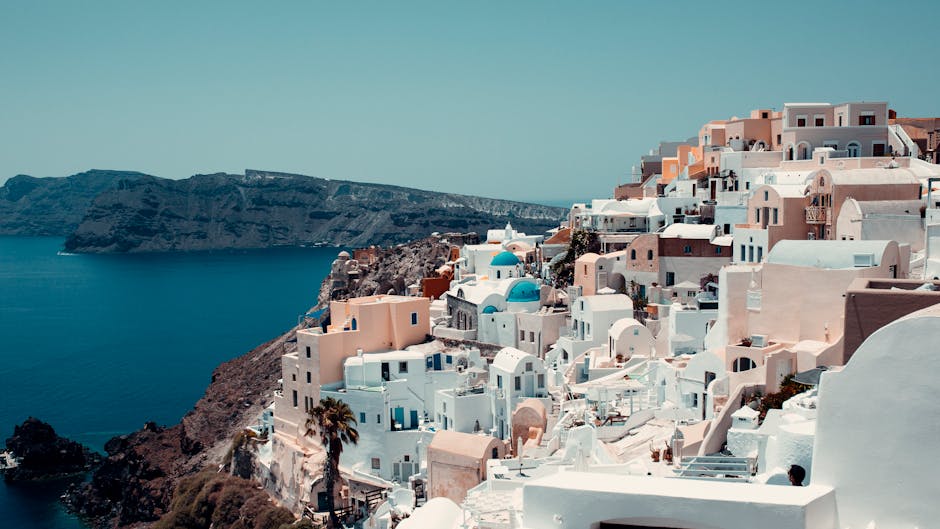
Oia is perhaps the most famous village on the island, and for good reason. Known for its iconic blue-domed churches and narrow cobblestone streets, Oia is the perfect place to wander and soak in the island’s charm. The village is especially magical at sunset, when crowds gather along the cliffside to watch the sun dip below the horizon. While it can get busy, arriving early or staying late allows you to enjoy the tranquility of the village in the early morning or evening hours.
Beyond the views, Oia is home to boutique shops, art galleries, and fine dining restaurants. Don’t miss the chance to visit the Maritime Museum, which offers insight into the island’s seafaring history, or explore the ruins of the ancient castle that once protected the village.
Fira: The Bustling Capital
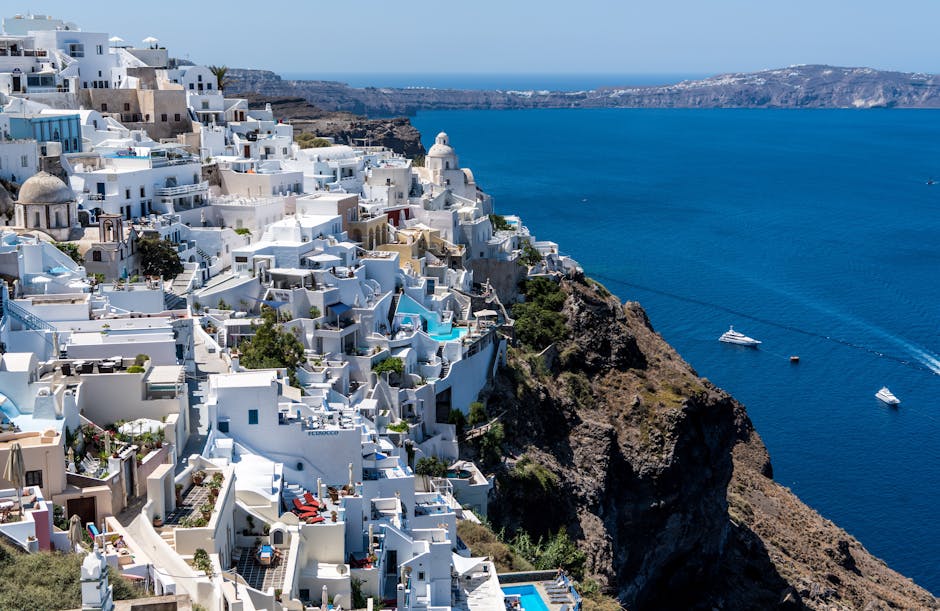
Fira, the island’s capital, sits at the center of the caldera and serves as the main hub for transportation, shopping, and nightlife. Unlike the quieter Oia, Fira is lively and energetic, with a mix of modern amenities and traditional charm. The town is built into the cliffside, offering spectacular views from nearly every corner.
Stroll along the main pedestrian street, where you’ll find everything from souvenir shops to high-end fashion boutiques. Fira is also home to several museums, including the Museum of Prehistoric Thera, which houses artifacts from the ancient Minoan civilization that once thrived on the island. For a unique perspective, take the cable car or hike down the 588 steps to the old port of Skala, where small boats ferry visitors to nearby beaches and caves.
Imerovigli and Firostefani: Quiet Retreats with Panoramic Views
For travelers seeking a more peaceful experience, the villages of Imerovigli and Firostefani offer stunning views without the crowds. Imerovigli, known as the “balcony to the Aegean,” is perched at the highest point of the caldera and provides unobstructed views of the sea and neighboring islands. It’s an ideal spot for a quiet dinner or a romantic stroll.
Firostefani, located just north of Fira, offers a similar atmosphere with fewer tourists. The village is dotted with traditional cave houses and small churches, and its quiet streets are perfect for a leisurely walk. Both villages are excellent bases for exploring the island, with easy access to Fira and Oia.

Discover Santorini’s Natural Wonders
Santorini’s dramatic landscape is the result of a massive volcanic eruption over 3,600 years ago, which shaped the island’s unique caldera and rugged coastline. Today, visitors can explore this natural wonder in several ways, from hiking along the rim to swimming in volcanic waters.
Hike the Caldera Trail from Fira to Oia
One of the most rewarding experiences on the island is the hike from Fira to Oia along the caldera rim. This 10-kilometer trail offers some of the best views in Santorini, with panoramic vistas of the sea, neighboring islands, and the island’s distinctive architecture. The hike takes approximately 3 to 4 hours, depending on your pace and how often you stop to take photos or enjoy a snack at one of the many cafes along the way.
The trail is well-marked and mostly flat, making it accessible to most travelers. However, it’s important to wear comfortable shoes, bring plenty of water, and start early in the day to avoid the midday heat. The best time to hike is during the shoulder seasons of spring and fall, when the weather is mild and the crowds are smaller.
Visit the Red Beach and Kamari Beach
Santorini’s beaches are unlike any other in Greece, thanks to their volcanic origins. The Red Beach, located near the village of Akrotiri, is famous for its striking red cliffs and dark red sand, created by volcanic rock. The beach is accessible via a short walk from the parking area, though the path can be steep and uneven, so wear appropriate footwear.
Kamari Beach, on the island’s southeastern coast, is one of the most popular black sand beaches in Santorini. The beach is well-organized, with sunbeds, umbrellas, and a variety of seaside cafes and restaurants. It’s a great spot for swimming, sunbathing, or trying water sports like paddleboarding and kayaking. At the southern end of the beach, you’ll find the remains of Ancient Thera, an ancient city that offers a fascinating glimpse into the island’s past.
Take a Boat Tour to the Volcanic Islands
For a truly unique experience, take a boat tour to the volcanic islands within the caldera. These tours typically depart from the old port of Skala and include stops at Nea Kameni, the active volcanic island, and Palea Kameni, known for its hot springs. Visitors can swim in the warm, mineral-rich waters and even walk to the edge of the volcanic crater.
Many tours also include a visit to the nearby island of Thirassia, a quiet, traditional village that offers a glimpse of authentic island life. Some tours include lunch and drinks, making it a convenient and enjoyable way to spend the day on the water.
Experience Santorini’s Culinary Delights
Greek cuisine is one of the highlights of any trip to Santorini, and the island offers a range of dining experiences that showcase local ingredients and traditional flavors. From seaside tavernas to fine dining restaurants, there’s something for every palate.
Try Local Specialties
Santorini is known for its unique agricultural products, many of which are grown in the island’s volcanic soil. Be sure to try the following local specialties:
- Fava: A creamy purée made from yellow split peas, often served as a meze with olive oil and capers.
- Tomatokeftedes: Tomato fritters made with Santorini’s famous cherry tomatoes, which are smaller and more flavorful than regular tomatoes.
- White eggplant: A local variety of eggplant that is sweeter and less bitter than the common type, often grilled or used in stews.
- Assyrtiko wine: A crisp, dry white wine produced from grapes grown in the island’s volcanic soil. Many wineries offer tastings with stunning views of the caldera.
Visit a Winery
Santorini’s wine culture is deeply rooted in its volcanic landscape, and visiting a winery is one of the best things to do in Santorini, Greece. The island’s wineries are often built into the cliffs or caves, offering a unique setting for tastings and tours.
Some of the most popular wineries include Santo Wines, which offers panoramic views from its terrace, and Venetsanos Winery, the first modern winery on the island, built into the side of a cliff. Many wineries offer guided tours that explain the winemaking process and the unique characteristics of Santorini’s terroir. Most tastings include a selection of local wines paired with small plates of cheese, olives, and bread.
Explore Ancient Ruins and Historical Sites
Santorini has a rich history that dates back thousands of years, and the island is home to several important archaeological sites. These sites offer a fascinating look into the island’s past and its role in the ancient world.
Ancient Akrotiri: The Pompeii of the Aegean
One of the most significant archaeological discoveries in Greece, Ancient Akrotiri is a well-preserved Bronze Age settlement that was buried under volcanic ash during the Minoan eruption. The site, often compared to Pompeii, offers a glimpse into daily life over 3,600 years ago.
Visitors can walk through the ruins of homes, streets, and public buildings, many of which still contain frescoes, pottery, and other artifacts. The site is covered by a modern protective structure, which helps preserve the ruins while allowing visitors to explore comfortably. Guided tours are available and highly recommended to fully appreciate the history and significance of the site.
Ancient Thera
Located on a hilltop near Kamari Beach, Ancient Thera was once a major city during the Hellenistic, Roman, and Byzantine periods. The ruins include the remains of temples, theaters, and houses, as well as a small museum with artifacts from the site.
The climb to the site is steep, but the effort is rewarded with panoramic views of the island and the sea. Ancient Thera is less crowded than Akrotiri, making it a great option for travelers who want to explore history without the crowds.
Practical Tips for Visiting Santorini
To make the most of your trip, it’s important to plan ahead and be aware of a few practical considerations. Santorini is a popular destination, especially during the summer months, so booking accommodations and activities in advance is highly recommended.
Best Time to Visit
The best time to visit Santorini is during the shoulder seasons of late spring (April to June) and early fall (September to October). During these months, the weather is warm and pleasant, the crowds are smaller, and prices are more reasonable. Summer (July and August) is peak season, with hot weather and large crowds, while winter (November to March) is quiet, with many businesses closed.
Getting Around
Santorini is a small island, and most attractions are within easy reach by foot, bus, or taxi. The island has a reliable public bus system that connects the main villages and beaches. Renting a car or ATV is also a popular option, especially if you plan to explore remote areas or visit multiple wineries in one day. Keep in mind that parking can be limited in popular areas like Oia and Fira.
Accommodation Options
Santorini offers a wide range of accommodations, from luxury resorts with caldera views to budget-friendly guesthouses and traditional cave houses. Staying in a cave hotel is a unique experience that allows you to sleep in a restored traditional home carved into the cliffside. Many of these hotels offer modern amenities while preserving the island’s architectural charm.
Frequently Asked Questions
What is the best way to get to Santorini?
Santorini is accessible by air and sea. The island has an international airport (JTR) with direct flights from major European cities, especially during the summer. Alternatively, you can take a ferry from Athens (Piraeus port) or other Greek islands. Ferry travel is scenic but can take several hours, depending on the route and weather conditions.
Do I need a car to get around Santorini?
A car is not necessary if you plan to stay in the main villages and use public transportation. However, renting a car, ATV, or scooter gives you more flexibility to explore remote beaches, wineries, and villages at your own pace. Just be prepared for narrow, winding roads and limited parking in popular areas.
Is Santorini expensive?
Santorini is generally more expensive than other Greek islands, especially during peak season. Accommodations, dining, and activities can be pricey, particularly in Oia and Fira. However, there are budget-friendly options available, such as staying in less touristy areas, eating at local tavernas, and visiting free attractions like beaches and hiking trails.
Whether you’re drawn to Santorini for its stunning landscapes, rich history, or vibrant culture, the island offers an unforgettable experience for every traveler. By planning ahead and exploring beyond the postcard-perfect views, you’ll discover the true magic of this extraordinary destination.