Best Backpacking Route in Peru: A Complete Guide for Adventurous Travelers
Best Backpacking Route in Peru: A Complete Guide for Adventurous Travelers
Peru is a dream destination for backpackers seeking a mix of ancient history, diverse landscapes, and vibrant culture. From the towering Andes to the lush Amazon rainforest and the coastal deserts, the country offers an unparalleled adventure for those willing to explore off the beaten path. If you’re planning an epic journey, discovering the best backpacking route in Peru is essential to making the most of your trip. This comprehensive guide will walk you through a well-structured, month-long itinerary that balances iconic landmarks with hidden gems, ensuring a safe, enriching, and unforgettable experience.
Why Peru Is a Top Destination for Backpackers
Peru consistently ranks among the world’s top backpacking destinations due to its affordability, well-developed tourist infrastructure, and incredible geographic diversity. Whether you’re trekking to Machu Picchu, navigating bustling markets in Cusco, or floating through the Amazon, the country offers experiences that cater to all types of travelers. The local transportation network—comprising buses, trains, and domestic flights—makes it relatively easy to move between regions, even on a tight budget.
Additionally, Peru’s rich Incan and pre-Columbian heritage provides a deep cultural context that enhances every step of the journey. Backpackers can immerse themselves in indigenous traditions, sample regional cuisines, and interact with communities that have preserved their way of life for centuries. With safety standards improving and English widely spoken in tourist areas, Peru is both accessible and welcoming to international travelers.
Planning Your Backpacking Adventure: Key Considerations
Before embarking on the best backpacking route in Peru, it’s important to plan carefully. The country’s varied climate and altitudes require thoughtful preparation. Most backpackers begin their journey in Lima, the capital, which serves as the primary international gateway. From there, the route typically moves eastward and southward, ascending into the Andes and eventually reaching the Amazon basin.
Key factors to consider include:
- Duration: A minimum of three to four weeks is recommended to cover the highlights without feeling rushed.
- Season: The dry season (May to September) is ideal for trekking and outdoor activities, while the wet season (December to March) can make remote areas difficult to access.
- Altitude: Acclimatization is crucial when traveling to high-altitude cities like Cusco (3,400 meters) and Lake Titicaca (3,812 meters). Allow at least two days to adjust before engaging in strenuous activities.
- Budget: Daily expenses can range from $25 to $50 USD depending on travel style, with hostels, local transport, and street food keeping costs low.
The Ultimate Backpacking Route: Week-by-Week Itinerary
Week 1: Lima to Paracas and Huacachina
Begin your journey in Lima, where you can spend a few days exploring the historic center, sampling world-class cuisine in Miraflores, and visiting museums like the Larco Museum. From Lima, take a bus south to Paracas, a coastal town known for its national reserve and boat tours to the Ballestas Islands—often called the “Poor Man’s Galápagos” due to their abundant wildlife.
Continue to Huacachina, a surreal oasis surrounded by towering sand dunes. Here, you can try sandboarding or take a dune buggy ride at sunset. This stop offers a unique contrast to Peru’s mountainous regions and is a great way to unwind before heading inland.
Week 2: Nazca Lines and Arequipa
From Huacachina, travel to Nazca, home to the mysterious Nazca Lines. These ancient geoglyphs, etched into the desert floor over 2,000 years ago, are best viewed from a small plane—a thrilling and unforgettable experience. Spend a night in Nazca to recover from the flight and explore local museums that explain the theories behind the lines.
Next, head to Arequipa, Peru’s second-largest city, nestled between three volcanoes. Known as the “White City” for its buildings made of sillar (white volcanic stone), Arequipa offers a charming colonial center, excellent food, and access to the Colca Canyon. Take a two-day trek into the canyon to spot Andean condors and soak in natural hot springs.
Week 3: Cusco and the Sacred Valley
Fly or take an overnight bus to Cusco, the historic capital of the Inca Empire. Allow time to acclimatize—drink coca tea, stay hydrated, and avoid alcohol. Once adjusted, explore the city’s cobblestone streets, visit the Qorikancha (Temple of the Sun), and wander through the San Pedro Market.
From Cusco, venture into the Sacred Valley, a fertile region dotted with Inca ruins, traditional villages, and vibrant markets. Visit Pisac, Ollantaytambo, and Chinchero, where you can participate in weaving workshops and learn about Andean agriculture. Ollantaytambo also serves as the gateway to Machu Picchu, so spend a night here to catch an early train.
Week 4: Machu Picchu and the Inca Trail
No backpacking route in Peru is complete without Machu Picchu. While the train is the easiest way to reach the site, the classic Inca Trail offers a more immersive experience. This four-day trek traverses cloud forests, high mountain passes, and ancient ruins before culminating at the Sun Gate at sunrise.
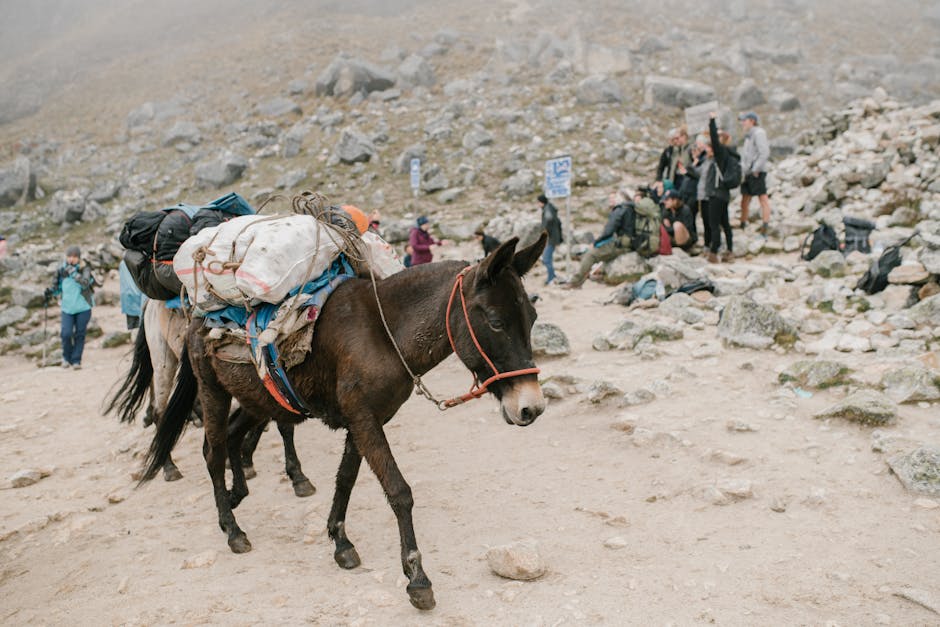
Permits for the Inca Trail are limited and sell out months in advance, so book early. Alternatively, consider the Salkantay Trek or Lares Trek, which offer stunning scenery and fewer crowds. Upon arrival at Machu Picchu, take a guided tour to fully appreciate the site’s architectural brilliance and historical significance.
Extending Your Journey: Lake Titicaca and the Amazon
For travelers with more time, extend your route to include Lake Titicaca and the Amazon rainforest. From Cusco, take a bus to Puno, located on the shores of Lake Titicaca—the highest navigable lake in the world. Visit the Uros floating islands, made entirely of totora reeds, and stay with a local family on Taquile or Amantani Island to experience traditional Quechua culture.
From Puno, fly or take a long bus ride to Puerto Maldonado, the gateway to the Tambopata National Reserve. Here, you can stay in an eco-lodge deep in the jungle and participate in guided night walks, canoe trips, and wildlife spotting excursions. Keep an eye out for capybaras, macaws, and even jaguars along the riverbanks.
Safety, Health, and Practical Tips
While Peru is generally safe for travelers, it’s important to stay vigilant, especially in crowded areas and on public transportation. Keep your belongings secure, avoid displaying valuables, and use reputable tour operators. Travel insurance is highly recommended, particularly if you plan to trek or engage in adventure activities.
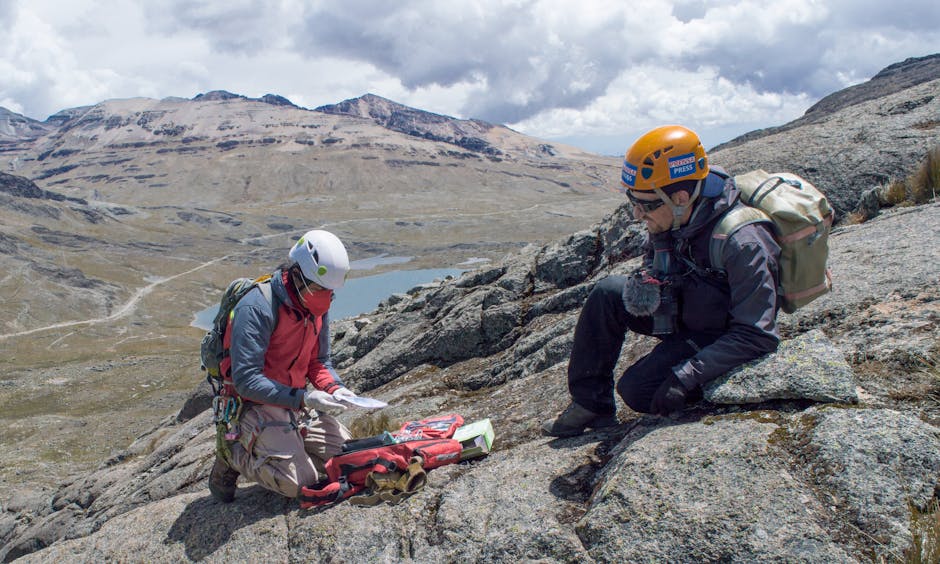
Health-wise, drink only bottled or purified water to avoid stomach issues. Consider vaccinations for hepatitis A and typhoid, and carry a basic first-aid kit. At high altitudes, symptoms of acute mountain sickness (AMS) can include headaches, nausea, and dizziness. Descend immediately if symptoms worsen.
Language can be a barrier in rural areas, so learning basic Spanish phrases will go a long way. Download offline maps and translation apps to help navigate. Lastly, respect local customs—ask before photographing people, and dress modestly when visiting religious sites.
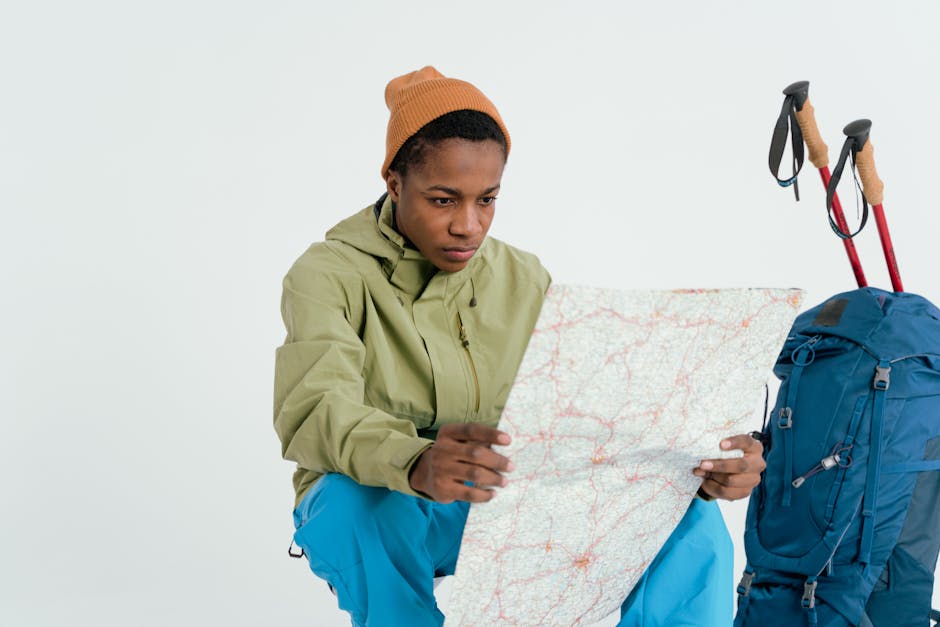
Packing Essentials for Your Peru Backpacking Trip
Packing light is key when backpacking through Peru’s varied climates. Focus on versatile, quick-drying clothing and layerable items. Essentials include:
- A sturdy, comfortable backpack (40–60 liters)
- Waterproof jacket and warm layers for high altitudes
- Hiking boots and sandals
- Sunscreen, sunglasses, and a wide-brimmed hat
- Reusable water bottle with filter
- Power bank and universal adapter
- Basic toiletries and medications
Final Thoughts: Why This Route Stands Out
The best backpacking route in Peru combines natural beauty, cultural depth, and adventure in a way few countries can match. This itinerary ensures you experience the country’s iconic landmarks while also discovering lesser-known destinations that offer authentic interactions and stunning scenery. Whether you’re marveling at the precision of Inca stonework, floating on a reed boat in Lake Titicaca, or listening to howler monkeys in the Amazon, each moment adds to a journey that’s as transformative as it is thrilling.
With careful planning, an open mind, and a spirit of curiosity, your backpacking adventure in Peru will be one of the most rewarding experiences of your life. So pack your bags, lace up your boots, and get ready to explore one of South America’s most captivating destinations.
FAQ
How long does it take to complete the best backpacking route in Peru?
A well-paced backpacking route in Peru typically takes three to four weeks. This allows sufficient time to acclimatize, travel between regions, and enjoy both popular attractions and off-the-beaten-path experiences without feeling rushed.
Is it safe to backpack alone in Peru?
Yes, Peru is generally safe for solo backpackers, especially in tourist areas. However, it’s wise to stay aware of your surroundings, avoid walking alone at night in unfamiliar areas, and use trusted transportation services. Traveling with a group or joining guided tours for remote treks is also recommended.
Do I need a visa to backpack in Peru?
Citizens of most Western countries, including the U.S., Canada, the UK, and Australia, do not need a visa for stays up to 90 days. Check with the Peruvian consulate in your country for the most up-to-date entry requirements based on your nationality.