
Best Cherry Blossom Spots in Kyoto, Japan
Best Cherry Blossom Spots in Kyoto, Japan
Kyoto, Japan’s ancient capital, transforms into a dreamlike wonderland every spring when cherry blossoms—known locally as sakura—bloom across the city. Renowned for its rich cultural heritage, serene temples, and meticulously preserved gardens, Kyoto offers some of the most breathtaking and photogenic cherry blossom viewing experiences in the world. Whether you’re a first-time visitor or a seasoned traveler, exploring the best cherry blossom spots in Kyoto, Japan, is an unforgettable journey into natural beauty and seasonal tradition. From iconic temples framed by delicate pink petals to riverside paths lined with weeping cherry trees, Kyoto’s sakura season is a must-see event that draws visitors from across the globe.
Why Kyoto Is the Ultimate Destination for Cherry Blossom Viewing
Kyoto’s unique blend of history, spirituality, and natural beauty makes it the ideal location to experience cherry blossom season. With over 1,600 temples and countless parks and gardens, the city provides a diverse range of settings where sakura can be enjoyed in harmony with traditional Japanese architecture. The timing of the bloom—typically from late March to early April—coincides with mild weather and festive hanami (flower viewing) parties, creating a vibrant yet peaceful atmosphere. Unlike more urbanized cities, Kyoto’s cherry blossoms are often set against backdrops of wooden temples, stone pagodas, and tranquil ponds, offering a more contemplative and immersive experience.
Additionally, Kyoto’s elevation and inland location contribute to a slightly later bloom compared to coastal cities like Tokyo, allowing travelers to extend their sakura journey across multiple regions. The city’s commitment to preserving its natural and cultural landscapes ensures that cherry blossom viewing remains a respectful and meaningful tradition, not just a tourist spectacle.
Top Cherry Blossom Spots in Kyoto, Japan
While cherry blossoms can be found throughout Kyoto, certain locations stand out for their scenic beauty, historical significance, and accessibility. Below are some of the most celebrated spots where you can fully appreciate the splendor of sakura in Kyoto.
1. Maruyama Park
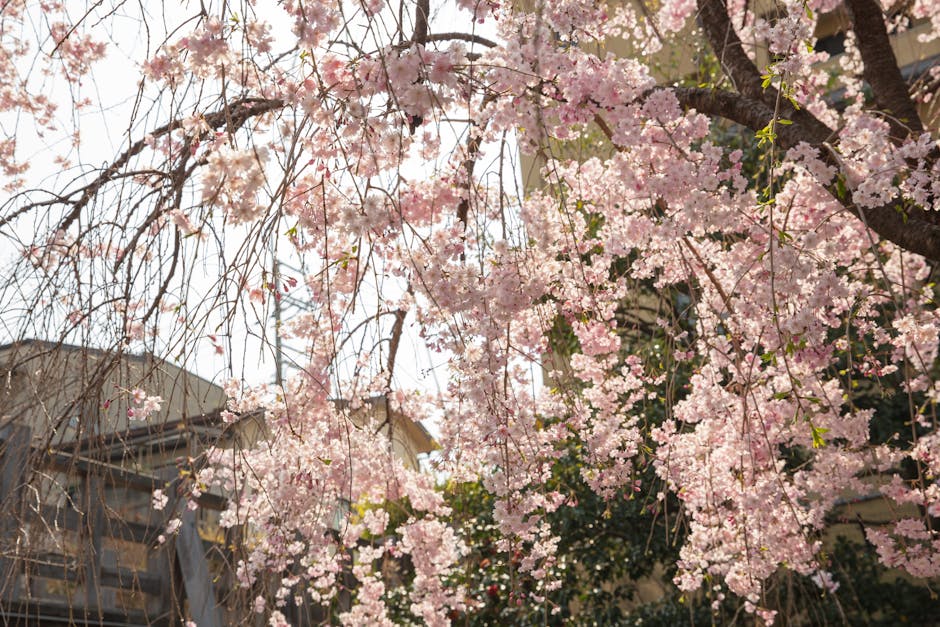
Located in the heart of Gion, Kyoto’s historic geisha district, Maruyama Park is arguably the most popular cherry blossom spot in the city. At the center of the park stands a massive weeping cherry tree (shidarezakura) illuminated at night, creating a magical ambiance that draws crowds after sunset. The park’s open layout makes it ideal for hanami picnics, and its proximity to temples like Yasaka Shrine adds cultural depth to the experience. Arrive early in the morning to enjoy a quieter moment beneath the blossoms before the daytime crowds arrive.
2. Philosopher’s Path (Tetsugaku-no-Michi)
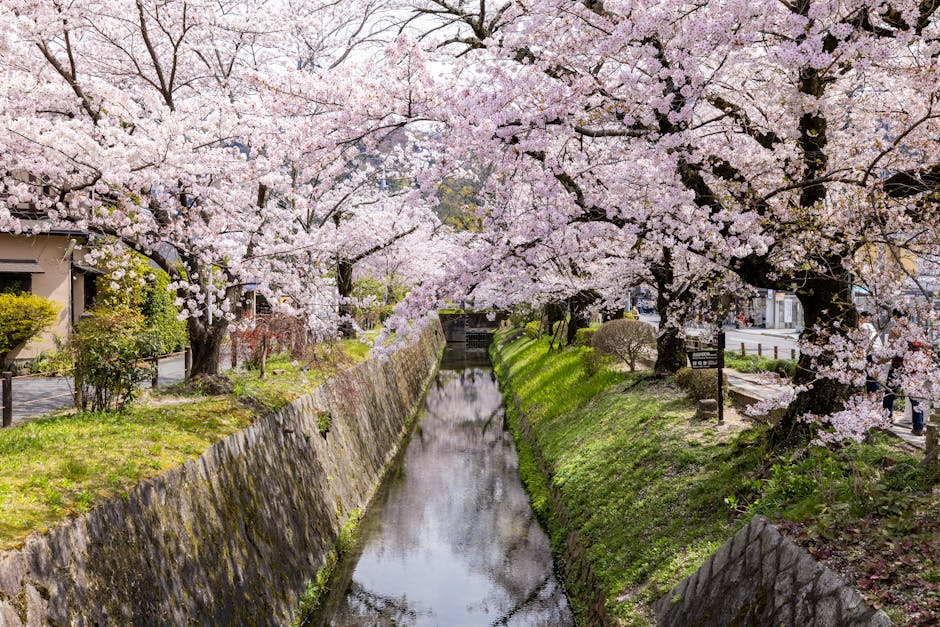
This 2-kilometer stone path follows a canal lined with hundreds of cherry trees, named after the philosopher Nishida Kitaro, who walked it daily while meditating. The Philosopher’s Path is especially stunning in early April when the blossoms form a pink tunnel overhead. Lined with small cafes, art galleries, and historic homes, the path offers a peaceful, reflective stroll perfect for travelers seeking tranquility. The nearby Honen-in Temple and Nanzen-ji provide additional serene stops along the way.
3. Arashiyama
Famous for its bamboo groves and scenic mountain views, Arashiyama also boasts spectacular cherry blossom displays along the Hozugawa River and near the Togetsukyo Bridge. The area’s combination of natural beauty and cultural landmarks—such as Tenryu-ji Temple, a UNESCO World Heritage Site—makes it a favorite among photographers and nature lovers. For a unique perspective, consider taking a boat ride down the Hozugawa River during sakura season, where blossoms frame the water’s edge in a breathtaking panorama.
4. Heian Shrine Garden
Built to commemorate Kyoto’s 1,100th anniversary, the Heian Shrine features a sprawling Japanese garden designed in the style of the Heian period. During cherry blossom season, the garden’s 200-plus trees—including some rare varieties—create a vibrant tapestry of pink and white. The contrast between the bright red torii gate and the soft blossoms is particularly striking. The garden is open year-round, but spring offers the most vivid colors and fragrant blooms.
5. Ninnaji Temple
A UNESCO World Heritage Site, Ninnaji is home to a variety of cherry trees that bloom at slightly different times, extending the viewing season. The temple’s Omuro cherry trees are especially notable for their late bloom, often peaking in mid-April. Set within a peaceful precinct with a five-story pagoda and expansive lawns, Ninnaji offers a more secluded and spiritually grounded sakura experience away from the busiest tourist hubs.
Tips for Enjoying Cherry Blossom Season in Kyoto
To make the most of your visit during sakura season, planning and preparation are key. The cherry blossom forecast, known as sakura zensen, is updated regularly by meteorological agencies and can help you time your trip for peak bloom. Keep in mind that weather conditions can shift the timing by several days, so flexibility in your itinerary is advisable.
Here are a few practical tips to enhance your experience:
- Visit early in the morning or late in the evening to avoid crowds and enjoy softer lighting for photography.
- Respect local customs during hanami—clean up after picnics, avoid climbing trees, and keep noise levels moderate.
- Use public transportation such as buses and trains, as parking is limited and traffic can be heavy during peak season.
- Check temple and garden hours in advance, as some locations may have restricted access or special evening illuminations.
Best Time to Visit Kyoto for Cherry Blossoms
The cherry blossom season in Kyoto typically occurs from late March to early April, with peak bloom—known as mankai—lasting about one week. However, this window can vary depending on weather patterns. Warmer temperatures in February and March can accelerate blooming, while cold snaps may delay it. To increase your chances of witnessing full bloom, aim to visit between March 25 and April 5. Monitoring the Japan Meteorological Corporation’s sakura forecast in the weeks leading up to your trip can help you adjust your plans accordingly.
Even if you miss peak bloom, Kyoto’s cherry trees offer beauty throughout the season. Early varieties like Somei Yoshino bloom first, followed by late bloomers such as Yaezakura and Shidarezakura, ensuring that there’s always something in flower for several weeks.
Cultural Significance of Cherry Blossoms in Kyoto
Cherry blossoms hold deep cultural meaning in Japan, symbolizing the fleeting nature of life—a concept known as mono no aware. In Kyoto, this philosophy is woven into the city’s spiritual and artistic traditions. Temples and shrines often use sakura as a metaphor for impermanence, encouraging visitors to reflect on the beauty and brevity of existence. Hanami parties, while festive, are also moments of contemplation and connection with nature and community.
Many of Kyoto’s cherry blossom spots are associated with historical figures, literary works, or religious practices, adding layers of meaning to the viewing experience. For example, the cherry trees at Daigo-ji Temple are said to have been planted by the emperor himself, while the blossoms along the Kamo River have inspired poets for centuries.
Photography Tips for Capturing Kyoto’s Cherry Blossoms
Kyoto’s cherry blossoms offer endless opportunities for stunning photography. To capture the essence of sakura in the city, consider the following tips:
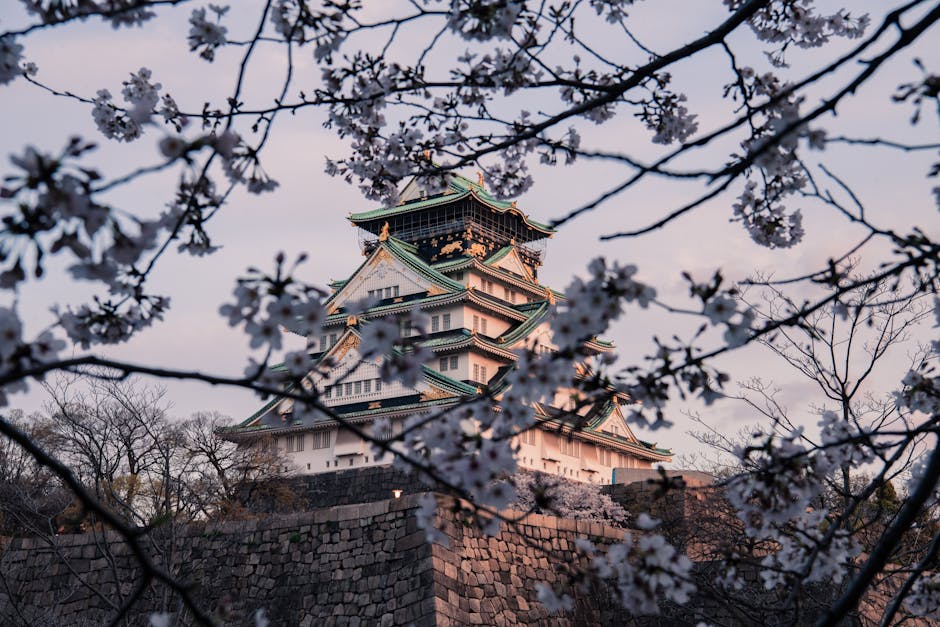
Use natural light to your advantage—early morning and golden hour provide soft, warm tones that enhance the pink hues of the blossoms. Incorporate architectural elements like temple roofs, stone lanterns, or wooden bridges to add depth and context to your shots. For a minimalist approach, focus on close-ups of individual flowers or reflections in water. If photographing people, ask for permission and aim for candid moments that reflect the peaceful atmosphere of hanami.
For night photography, many parks and temples offer special illuminations during sakura season. Maruyama Park and Heian Shrine are particularly popular for evening shoots, with strategically placed lights creating a dreamy, ethereal effect.
Beyond the Blossoms: What Else to Do in Kyoto During Spring
While cherry blossoms are the main attraction, spring in Kyoto offers much more to explore. The city’s gardens, such as the Kyoto Imperial Palace Park and the gardens of the Katsura Imperial Villa, are at their most lush and vibrant. Seasonal festivals like the Miyako Odori (performed by geiko and maiko in Gion) and the Aoi Matsuri (Hollyhock Festival) provide cultural enrichment and traditional entertainment.
Spring is also an excellent time to enjoy Kyoto’s cuisine, with seasonal dishes featuring sakura flavors—such as sakura mochi, sakura tea, and sakura-flavored sweets—available at local cafes and confectioneries. Don’t miss the chance to participate in a tea ceremony, where the delicate taste of matcha pairs beautifully with the spirit of the season.
Final Thoughts
Visiting the best cherry blossom spots in Kyoto, Japan, is more than just a sightseeing activity—it’s an immersion into a centuries-old tradition that celebrates beauty, transience, and harmony with nature. Whether you’re strolling along the Philosopher’s Path, picnicking in Maruyama Park, or meditating beneath the blossoms at a centuries-old temple, Kyoto offers a uniquely profound and visually stunning experience. With careful planning and an open heart, your spring journey through Kyoto’s sakura-lined streets will remain a cherished memory for years to come.
FAQ
When is the best time to see cherry blossoms in Kyoto?
The peak bloom period in Kyoto typically occurs from late March to early April, with the most vibrant displays lasting about one week. For the highest chance of seeing full bloom, plan your visit between March 25 and April 5, but check the latest sakura forecast before traveling.
Are cherry blossom spots in Kyoto crowded during peak season?
Yes, popular locations like Maruyama Park and the Philosopher’s Path can become very crowded, especially on weekends and during evening illuminations. To enjoy a quieter experience, visit early in the morning or explore lesser-known temples such as Ninnaji or Daigo-ji.
Do I need to pay to enter cherry blossom viewing areas in Kyoto?
Most public parks and riverbanks are free to access, but some temples and private gardens—such as Heian Shrine Garden and Tenryu-ji—charge a small entrance fee, typically ranging from 500 to 1,000 yen. These fees help maintain the sites and support conservation efforts.