
Best Diving Spots in Maldives: Explore the Underwater Paradise
Best Diving Spots in Maldives: Explore the Underwater Paradise
The Maldives is widely regarded as one of the world’s premier diving destinations, and for good reason. With its crystal-clear turquoise waters, vibrant coral reefs, and an extraordinary diversity of marine life, the archipelago offers some of the most breathtaking underwater experiences on the planet. Whether you’re a seasoned diver or a curious beginner, the best diving spots in Maldives promise unforgettable encounters with manta rays, whale sharks, reef sharks, and schools of colorful tropical fish. This guide will take you on a journey through the top dive sites across the atolls, helping you plan your perfect underwater adventure in this tropical paradise.
Why the Maldives Is a Diver’s Dream Destination
The Maldives consists of over 1,000 coral islands spread across 26 atolls in the Indian Ocean. This unique geography creates a vast network of protected lagoons, channels, and reefs that are teeming with life. The warm waters—typically ranging from 26°C to 30°C (79°F to 86°F)—make diving comfortable year-round, while the high visibility, often exceeding 30 meters (100 feet), ensures stunning underwater views.
One of the key reasons divers flock to the Maldives is the abundance of pelagic species. The channels between atolls act as natural highways for large marine animals, including whale sharks—the world’s largest fish—and manta rays, which gather in cleaning stations during specific seasons. Additionally, the country’s commitment to marine conservation, including the establishment of protected marine parks, helps preserve the health of its underwater ecosystems.
Top Atolls for Diving in the Maldives
While diving opportunities exist throughout the Maldives, certain atolls stand out for their exceptional dive sites, accessibility, and marine biodiversity. Here are the most renowned atolls for underwater exploration:
1. North Male Atoll
Just a short boat ride from Malé, the capital city, North Male Atoll is one of the most accessible and popular diving regions. It’s ideal for both beginners and experienced divers, offering a mix of reef dives, thila (underwater pinnacles), and channel dives. The area is known for its healthy coral gardens and frequent sightings of reef sharks, turtles, and eagle rays.
2. South Male Atoll
Adjacent to North Male, South Male Atoll offers slightly more remote and less crowded dive sites. Kandooma Thila and Guraidhoo Corner are highlights, featuring dramatic drop-offs and strong currents that attract larger pelagic species. This atoll is particularly famous for night dives, where bioluminescent plankton and nocturnal reef creatures come to life.
3. Ari Atoll
Often considered the crown jewel of Maldivian diving, Ari Atoll is a hotspot for whale shark and manta ray encounters. The western side of the atoll, especially around Maaya Thila and Fish Head, is legendary among divers. These sites are rich in coral formations and home to an impressive array of fish species, including Napoleon wrasse and parrotfish.
4. Baa Atoll
A UNESCO Biosphere Reserve, Baa Atoll is a haven for eco-conscious travelers and marine enthusiasts. Hanifaru Bay, located here, is one of the few places in the world where large numbers of manta rays and whale sharks gather to feed during the southwest monsoon (May to November). Diving in Baa Atoll offers a more sustainable and immersive experience, with strict regulations to protect the fragile ecosystem.
5. Lhaviyani Atoll
Located in the northern part of the Maldives, Lhaviyani Atoll is less touristy but equally rewarding. Kuredu Caves and Fushifaru Thila are standout sites, featuring underwater caves, overhangs, and vibrant soft coral gardens. This atoll is also known for its strong currents, making it suitable for advanced divers seeking a more challenging experience.
The Best Diving Spots in Maldives: A Closer Look
Now that we’ve covered the top atolls, let’s dive deeper into some of the most iconic dive sites that define the best diving spots in Maldives. These locations consistently rank among the top in global diving rankings and are must-visits for any underwater adventurer.
Hanifaru Bay (Baa Atoll)
Hanifaru Bay is a UNESCO-protected marine area and one of the most unique dive sites in the world. During the plankton-rich months of the southwest monsoon, hundreds of manta rays and whale sharks converge here to feed in a natural spectacle known as the “Hanifaru Feast.” While snorkeling is the primary activity due to conservation rules, nearby dive sites offer excellent opportunities to explore the surrounding reefs.
Maaya Thila (Ari Atoll)
Maaya Thila is a small, circular reef that rises from the ocean floor and is covered in soft corals and anemones. It’s a favorite among underwater photographers due to its rich biodiversity and frequent sightings of moray eels, octopuses, and white-tip reef sharks. The site is suitable for all experience levels and is particularly magical during night dives.
Fish Head (Ari Atoll)
Also known as Mushimasmingali Thila, Fish Head is a world-renowned dive site that has been featured in numerous diving documentaries. This underwater pinnacle is encrusted with hard corals and attracts large schools of fusiliers, snappers, and barracuda. Reef sharks and eagle rays are common visitors, especially during incoming tides when currents bring in nutrient-rich water.
Guraidhoo Corner (South Male Atoll)
This thrilling drift dive takes you along a steep reef wall where strong currents sweep divers through a corridor of coral and marine life. Guraidhoo Corner is famous for its shark sightings—gray reef sharks, whitetip sharks, and even the occasional hammerhead have been spotted here. It’s recommended for advanced divers due to the challenging conditions.
Kuredu Caves (Lhaviyani Atoll)
Located on the eastern side of Kuredu Island, this site features a series of underwater caves and overhangs that create a dramatic landscape. The caves are home to resident moray eels, lionfish, and schools of glassfish. The surrounding reef is rich in soft corals and offers excellent macro photography opportunities.
Best Time to Dive in the Maldives
The Maldives enjoys a tropical climate with two main seasons: the dry season (northeast monsoon) from November to April and the wet season (southwest monsoon) from May to October. Both periods offer excellent diving conditions, but each has its advantages.
From November to April, the weather is generally calm, with minimal rainfall and excellent visibility. This is the peak tourist season, and many divers choose this time for comfortable surface conditions and reliable weather. Manta rays and whale sharks are still present, though in smaller numbers compared to the wet season.
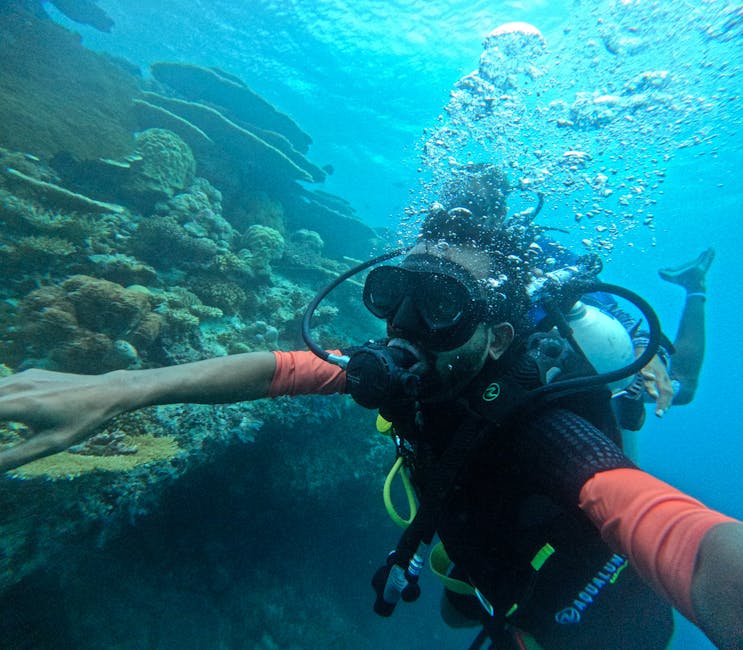
From May to October, the southwest monsoon brings stronger currents and occasional rain, but it also triggers the plankton bloom that attracts massive gatherings of manta rays and whale sharks—especially in Baa Atoll’s Hanifaru Bay. Divers seeking these iconic encounters often prefer this season, despite the slightly rougher surface conditions.
Ultimately, the Maldives offers world-class diving year-round, so your choice of timing may depend on your specific interests and tolerance for weather variability.
Diving Certification and Safety in the Maldives
Most dive centers in the Maldives cater to certified divers, but many also offer introductory courses and Discover Scuba Diving programs for beginners. It’s important to ensure that your certification is recognized by international standards (such as PADI, SSI, or NAUI) and that you dive within your experience level.
Safety is a top priority at reputable dive centers, which are typically affiliated with resorts or liveaboard boats. These operators follow strict safety protocols, including dive briefings, buddy checks, and the use of safety equipment such as surface marker buoys (SMBs) and dive computers. Always dive with a certified guide, especially in areas with strong currents or complex topography.
For those planning multiple dives over several days, consider the effects of nitrogen absorption and follow recommended surface intervals. Decompression sickness is rare but possible, so adhere to no-decompression limits and avoid flying within 18–24 hours after your last dive.
Choosing the Right Dive Operator
With hundreds of dive centers across the Maldives, selecting the right operator can significantly impact your experience. Look for centers that are eco-certified, employ experienced and multilingual dive guides, and maintain a strong safety record. Many resorts offer all-inclusive dive packages, while liveaboard cruises provide access to remote and less-visited sites.
When booking, consider factors such as group size, boat quality, equipment rental options, and environmental policies. Reading recent reviews from fellow divers can also provide valuable insights into the professionalism and reliability of a dive center.
What to Expect on a Dive Trip in the Maldives
A typical dive day in the Maldives begins early, with a light breakfast followed by a boat departure to the dive site. Most dives are conducted in the morning when marine life is most active and visibility is at its peak. After a surface interval—often spent snorkeling or relaxing on the boat—a second dive is usually scheduled for the late morning or early afternoon.
Liveaboard trips offer a more immersive experience, allowing divers to visit multiple atolls and remote sites over several days. These cruises often include three to four dives per day, delicious meals, and comfortable accommodations. They are ideal for serious divers who want to maximize their time underwater.
Whether you choose a resort-based or liveaboard experience, be prepared for a mix of reef dives, channel dives, and night dives. Each offers a unique perspective on the Maldives’ underwater world, from vibrant coral gardens to thrilling encounters with large pelagic species.
Marine Life You’ll Encounter
The Maldives is home to an astonishing variety of marine species. Here are some of the most commonly spotted creatures during dives:
- Whale Sharks: Gentle giants that can reach lengths of over 12 meters, often seen feeding near the surface.
- Manta Rays: Graceful filter feeders that perform acrobatic loops near cleaning stations.
- Reef Sharks: Including whitetip, gray, and blacktip sharks, commonly found patrolling reef edges.
- Turtles: Green and hawksbill turtles are frequent visitors to coral reefs and seagrass beds.
- Moray Eels: Often hiding in crevices, with distinctive patterned skin and sharp teeth.
- Clownfish and Anemones: Iconic symbiotic pairs found in shallow reef areas.
- Napoleon Wrasse: Large, colorful fish with prominent humps on their foreheads.
Environmental Responsibility and Sustainable Diving
As a diver in the Maldives, you play a role in protecting this fragile ecosystem. Always practice good buoyancy control to avoid damaging coral, never touch or chase marine life, and refrain from collecting souvenirs. Many dive operators participate in coral restoration projects and marine conservation initiatives—consider supporting these efforts during your trip.
Choose reef-safe sunscreen and avoid single-use plastics whenever possible. By diving responsibly, you help ensure that the best diving spots in Maldives remain pristine for future generations.
FAQ: Diving in the Maldives
Do I need to be an experienced diver to enjoy the Maldives?
No, the Maldives offers dive sites suitable for all levels. Beginners can enjoy calm lagoon dives and shallow reefs, while advanced divers can tackle challenging channel dives and strong currents. Many resorts offer certification courses and guided dives tailored to your experience.
Can I see whale sharks and manta rays year-round?
While sightings are possible throughout the year, the best chances to see whale sharks and manta rays are during the southwest monsoon (May to November), especially in Baa Atoll’s Hanifaru Bay. During this time, plankton blooms attract large numbers of these magnificent creatures.
What should I pack for a diving trip to the Maldives?
Essential items include a well-fitting mask, snorkel, fins, and a dive computer (if you own one). Most dive centers provide tanks, regulators, and wetsuits, but it’s wise to bring your own gear for comfort. Don’t forget reef-safe sunscreen, a waterproof camera, and a logbook to record your dives.
Final Thoughts
The Maldives is more than just a tropical getaway—it’s a diver’s paradise where every descent reveals a new wonder beneath the waves. From the vibrant coral gardens of North Male Atoll to the thrilling currents of Ari Atoll, the best diving spots in Maldives offer something for every underwater enthusiast. With its warm waters, incredible biodiversity, and commitment to conservation, the Maldives continues to set the standard for sustainable and unforgettable diving experiences. Whether you’re gliding alongside a whale shark or exploring a hidden underwater cave, the memories you create here will last a lifetime.