Best Hiking Trails in Patagonia, Chile: A Guide for Adventurous Travelers
Best Hiking Trails in Patagonia, Chile: A Guide for Adventurous Travelers
Patagonia, Chile, is a dream destination for outdoor enthusiasts and nature lovers alike. Stretching across the southern tip of South America, this rugged and remote region offers some of the most breathtaking landscapes on the planet. From glacial lakes and towering granite peaks to windswept steppes and ancient forests, Patagonia is a hiker’s paradise. Whether you’re an experienced trekker or a casual walker seeking scenic beauty, the best hiking trails in Patagonia, Chile deliver unforgettable experiences. This guide highlights top routes, essential tips, and what to expect when exploring this wild frontier.
Why Hike in Patagonia?
Patagonia’s allure lies in its raw, untamed beauty and dramatic geography. Unlike more commercialized hiking destinations, Patagonia offers solitude, vast open spaces, and a sense of true adventure. The region is home to two iconic national parks: Torres del Paine and Laguna San Rafael, each offering distinct ecosystems and trail experiences. The climate can be unpredictable—strong winds, sudden rain, and temperature swings are common—but these elements only add to the region’s mystique.
Hiking here isn’t just about physical challenge; it’s about immersion in one of Earth’s last great wildernesses. Wildlife sightings—such as guanacos, condors, and even pumas—are possible, and the star-filled night skies are among the clearest in the world. For travelers seeking authenticity and natural grandeur, Patagonia delivers in abundance.
Top Hiking Trails in Patagonia, Chile
With countless trails to choose from, narrowing down the options can be difficult. Below are some of the most renowned and rewarding routes that showcase the region’s diversity and splendor.
1. W Trek – Torres del Paine National Park
The W Trek is arguably the most famous multi-day hike in Patagonia and a must-do for serious hikers. Spanning approximately 50 miles (80 kilometers), this route typically takes 4 to 5 days to complete and forms a “W” shape through the heart of Torres del Paine National Park.
The trail connects several of the park’s most iconic landmarks: the Base of the Towers (Las Torres), the French Valley (Valle Francés), and Grey Glacier. Each segment offers unique scenery, from turquoise lakes and alpine meadows to glacial ice fields and dramatic mountain backdrops. The Base of the Towers hike alone is a highlight, culminating in a view of the three granite spires that give the park its name.
Accommodations along the W Trek range from refugios (mountain shelters) to campsites, all managed by CONAF (Chile’s National Forest Corporation) or private operators. Reservations are essential, especially during the peak season from November to March.
2. O Circuit – Torres del Paine National Park
For those seeking a more comprehensive experience, the O Circuit extends the W Trek by looping around the entire Paine Massif. This 7-day, 71-mile (114-kilometer) trek is more challenging and less crowded, offering deeper immersion into the park’s backcountry.
The O Circuit includes all sections of the W Trek plus remote areas like the Dickson Lake and Paine River valleys. Hikers will cross high mountain passes, traverse glacial moraines, and enjoy panoramic views of the Southern Ice Field. This route is ideal for experienced trekkers with solid navigation skills and endurance.
3. Laguna San Rafael National Park – Glacier Hike
Located further south along the Pacific coast, Laguna San Rafael National Park is accessible only by boat or plane. This remote park is home to the San Rafael Glacier, one of the most active and accessible glaciers in the Northern Patagonian Ice Field.
While not a traditional long-distance trail, the glacier hike here is a once-in-a-lifetime experience. Guided tours typically include a boat ride through icy fjords followed by a short trek onto the glacier itself. The contrast between the deep blue ice and the surrounding green forest is stunning. Due to its remoteness, this hike requires advance planning and is best combined with a multi-day expedition.
4. Dientes de Navarino Circuit – Isla Navarino
For the ultimate off-the-beaten-path adventure, the Dientes de Navarino Circuit on Isla Navarino offers a challenging 4- to 6-day trek above the treeline. This circuit circles the jagged Dientes de Navarino mountain range, just south of Ushuaia, Argentina—the world’s southernmost city.
The trail is remote, rugged, and rarely visited, making it ideal for hikers seeking solitude and raw wilderness. Weather conditions can be extreme, with high winds and rapid changes, so proper gear and preparation are critical. The reward? 360-degree views of the Beagle Channel, snow-capped peaks, and the southern Andes stretching into the horizon.
Essential Tips for Hiking in Patagonia
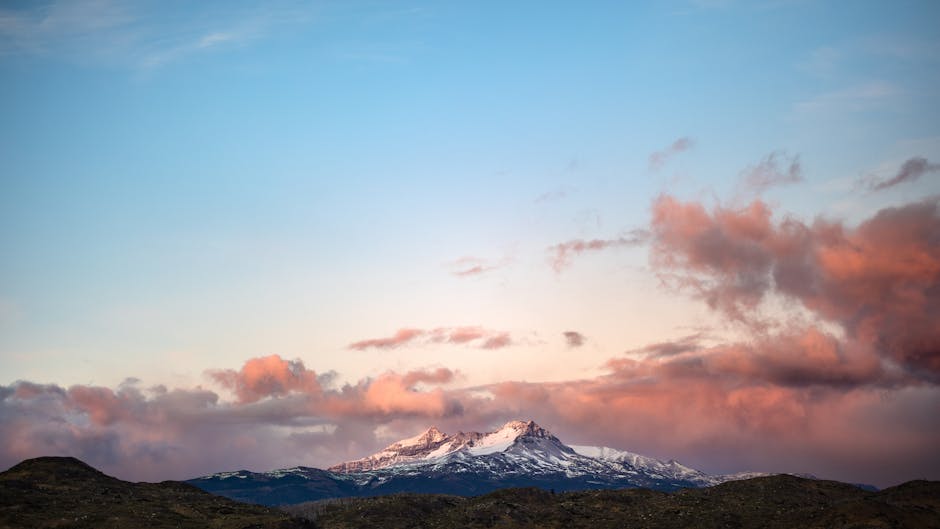
Preparing for a Patagonian hike requires more than just sturdy boots and a backpack. The region’s unpredictable weather, remote locations, and limited infrastructure demand careful planning. Here are key tips to ensure a safe and enjoyable journey:
- Pack for all seasons: Even in summer, temperatures can drop below freezing at night. Layered clothing, a waterproof jacket, and insulated sleeping gear are essential.
- Book accommodations early: Refugios and campsites in popular parks like Torres del Paine fill up months in advance, especially during peak season.
- Carry a map and GPS: Cell service is nonexistent in most areas. A physical map and GPS device or offline app are vital for navigation.
- Respect the environment: Follow Leave No Trace principles. Pack out all trash, stay on marked trails, and avoid disturbing wildlife.
- Hire a guide if needed: For remote or technical routes like the O Circuit or Dientes de Navarino, a certified guide can enhance safety and enrich the experience.
When to Hike in Patagonia
The best time to visit Patagonia for hiking is during the Southern Hemisphere’s summer months, from late October to early April. During this period, daylight hours are long, temperatures are milder, and trails are mostly snow-free. December through February is peak season, offering the most stable weather but also the largest crowds.
Shoulder seasons—November and March—can be excellent alternatives, with fewer tourists and lower prices. However, weather remains unpredictable, and some high-altitude trails may still be snow-covered. Winter hiking is possible but requires advanced skills and specialized equipment, and many park facilities are closed.
What to Expect on the Trail
Hiking in Patagonia is as much about the journey as the destination. Trails vary from well-maintained paths to rocky, uneven terrain. Elevation gains can be significant, and wind resistance is a constant factor—some hikers report being knocked off their feet by gusts exceeding 60 mph.
Wildlife encounters are common but should be observed from a distance. Guanacos—a relative of the llama—are frequently seen grazing in open meadows, while Andean condors soar overhead. Pumas inhabit the region but are elusive and rarely spotted.
Water sources are generally safe to drink after filtering or treating, especially in glacial streams. However, always carry a reliable water purification method. Food resupply options are limited, so plan your meals carefully, especially on longer treks.
Sustainable Travel in Patagonia
As tourism grows in Patagonia, so does the need for responsible travel practices. The region’s ecosystems are fragile, and human impact can be significant. Travelers are encouraged to support local communities, choose eco-friendly tour operators, and minimize their environmental footprint.
Many parks now require permits and enforce strict waste management policies. In Torres del Paine, for example, hikers must carry out all trash, including biodegradable items like fruit peels. By traveling thoughtfully, visitors help preserve Patagonia’s natural wonders for future generations.
Final Thoughts
The best hiking trails in Patagonia, Chile offer more than just physical challenges—they provide a profound connection to nature, a sense of adventure, and memories that last a lifetime. Whether you’re drawn to the iconic spires of Torres del Paine or the remote glaciers of the south, Patagonia rewards those who venture into its wild heart.
With proper preparation, respect for the environment, and a spirit of exploration, your Patagonian hiking adventure will be one of the most rewarding experiences of your travels. So lace up your boots, pack your gear, and step into one of the world’s last true wildernesses.
FAQ
What is the best time of year to hike in Patagonia?
The ideal time for hiking in Patagonia is during the Southern Hemisphere summer, from late October to early April. December to February offers the most stable weather, though trails can be crowded. Shoulder months like November and March provide fewer tourists and lower prices, but weather remains unpredictable.
Do I need a guide to hike in Torres del Paine?
While it’s possible to hike independently in Torres del Paine, hiring a guide is recommended for less experienced hikers or those attempting remote routes like the O Circuit. Guides enhance safety, provide valuable insights, and help navigate challenging terrain and weather conditions.
Are there facilities on the trails in Patagonia?
Facilities vary by trail and park. In Torres del Paine, refugios and campsites offer basic accommodations, cooking areas, and restrooms, but reservations are required. In more remote areas like Laguna San Rafael or Dientes de Navarino, facilities are minimal or nonexistent, so self-sufficiency is essential.