Best Places to Visit in Amsterdam, Netherlands: A Complete Travel Guide
Best Places to Visit in Amsterdam, Netherlands: A Complete Travel Guide
Amsterdam, the vibrant capital of the Netherlands, is a city that effortlessly blends historic charm with modern energy. Known for its picturesque canals, world-class museums, and rich cultural heritage, Amsterdam attracts millions of travelers each year. Whether you’re a first-time visitor or returning to explore deeper, knowing the best places to visit in Amsterdam, Netherlands ensures you make the most of your trip. From iconic landmarks to hidden gems, this guide covers must-see destinations, practical tips, and insider insights to help you navigate the city with confidence.
Why Amsterdam Should Be on Your Travel List
Amsterdam stands out as one of Europe’s most accessible and welcoming cities. Its compact size makes it ideal for walking or cycling, and its extensive public transportation network ensures you can reach nearly any destination with ease. The city is renowned for its artistic legacy, progressive mindset, and architectural beauty—featuring over 1,500 bridges and more than 100 kilometers of canals, earning it the nickname “Venice of the North.”
Beyond its scenic appeal, Amsterdam offers a diverse range of experiences. Art lovers can immerse themselves in masterpieces by Rembrandt and Van Gogh, while history buffs can explore centuries-old buildings and museums. Foodies will delight in the city’s international cuisine and cozy cafés, and those seeking relaxation can unwind in one of Amsterdam’s many green spaces. With something for every traveler, it’s no surprise that Amsterdam consistently ranks among the top European destinations.
Top Attractions in Amsterdam
1. Rijksmuseum: A Treasure Trove of Dutch Art
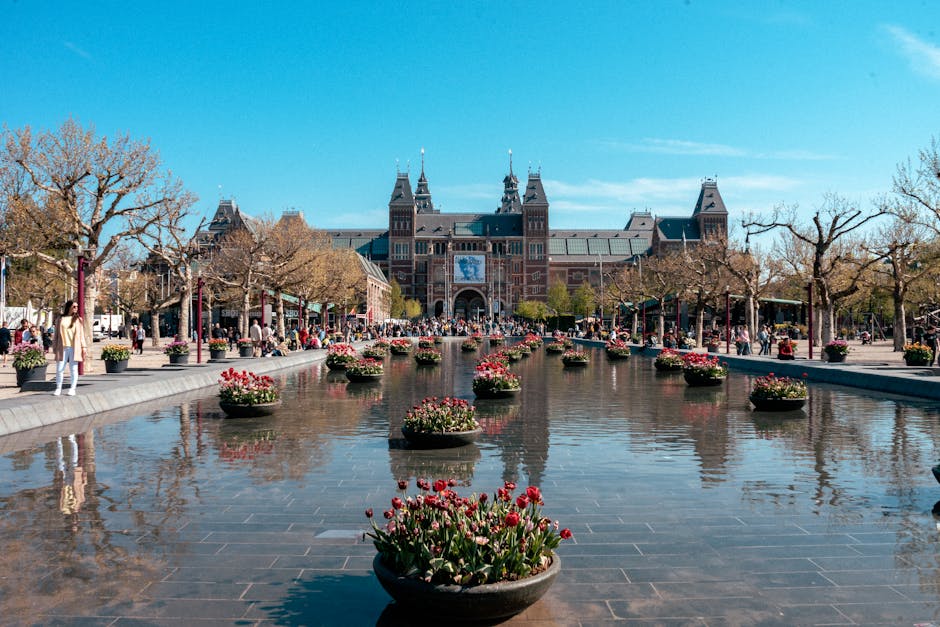
The Rijksmuseum is the Netherlands’ premier art and history museum, housing an impressive collection of Dutch Golden Age paintings. As you step inside, you’ll be greeted by masterpieces such as Rembrandt’s The Night Watch and Vermeer’s The Milkmaid. The museum’s architecture is equally stunning, with a grand atrium and beautifully restored galleries that blend historical design with modern functionality.
Plan to spend at least half a day here, especially if you’re an art enthusiast. Audio guides are available in multiple languages, and the museum offers family-friendly activities and interactive exhibits. Don’t miss the museum’s sculpture garden, a peaceful retreat in the heart of the city.
2. Van Gogh Museum: A Journey Through an Artist’s Mind
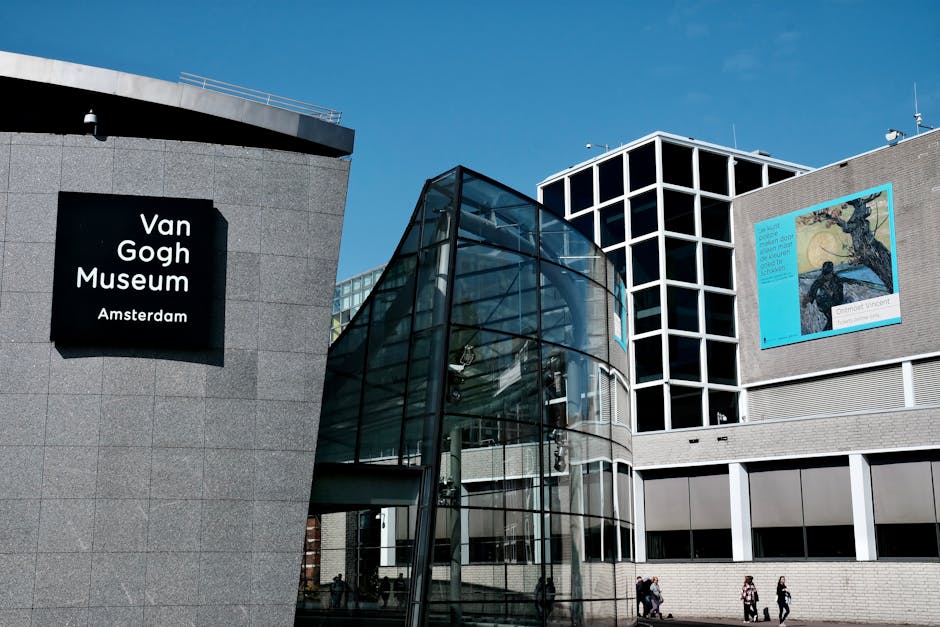
Dedicated entirely to the life and work of Vincent van Gogh, this museum is a must-visit for anyone interested in post-impressionist art. It holds the largest collection of Van Gogh’s paintings and drawings in the world, including iconic works like The Bedroom and Sunflowers. The museum provides deep insight into his emotional struggles, artistic evolution, and enduring legacy.
To avoid long lines, book your tickets online in advance. The museum also offers guided tours and educational programs, making it a valuable stop for students and art scholars alike.
3. Anne Frank House: A Powerful Historical Experience
The Anne Frank House is one of Amsterdam’s most poignant and moving attractions. Located in the canal district, this museum preserves the secret annex where Anne Frank and her family hid during World War II. Visitors can walk through the original rooms and read excerpts from her famous diary, gaining a profound understanding of the Holocaust’s impact on individuals and families.
Due to its emotional weight and popularity, the Anne Frank House requires advance reservations. Arrive early or book a timed entry slot to ensure entry. The museum also features a thoughtful exhibit on human rights and discrimination, encouraging reflection and dialogue.
4. Canal Ring (Grachtengordel): A UNESCO World Heritage Site
The Canal Ring is the heart of Amsterdam’s historic center and a defining feature of the city’s landscape. Comprising four main canals—Herengracht, Keizersgracht, Prinsengracht, and Singel—this network was built in the 17th century during the Dutch Golden Age. Today, it’s a UNESCO World Heritage Site and a favorite spot for both locals and tourists.
Take a canal cruise to see the city from the water, offering unique perspectives of historic buildings, houseboats, and bridges. Alternatively, stroll along the tree-lined quays, where you’ll find charming cafés, boutique shops, and picturesque views. The canals are especially magical at sunset or during the Amsterdam Light Festival in winter.
5. Vondelpark: Amsterdam’s Green Oasis
For a break from the urban bustle, head to Vondelpark, the city’s largest and most beloved park. Located just west of the museum district, it’s a favorite spot for jogging, picnicking, and people-watching. The park features open lawns, shaded pathways, playgrounds, and an open-air theater that hosts free performances in the summer.
Whether you’re looking to relax with a book, enjoy a coffee at one of the park’s cafés, or join locals for a game of frisbee, Vondelpark offers a refreshing escape. It’s also a great starting point for exploring nearby neighborhoods like De Pijp and the Museum Quarter.
Neighborhoods to Explore
Jordaan: Charming and Quaint
The Jordaan is one of Amsterdam’s most picturesque neighborhoods, known for its narrow streets, hidden courtyards, and artisan shops. Originally a working-class district, it has evolved into a trendy area filled with galleries, boutiques, and cozy restaurants. It’s also home to the famous Noordermarkt, where you can browse organic food and antiques at the Saturday market.
Take a leisurely walk through the Jordaan to discover its unique character. Stop by the Westerkerk, a 17th-century church where Rembrandt is buried, or enjoy a drink at one of the neighborhood’s many brown cafés—traditional Dutch pubs with a warm, inviting atmosphere.
De Pijp: Vibrant and Diverse
De Pijp is a lively, multicultural district known for its bustling markets, international cuisine, and youthful energy. The Albert Cuyp Market, Amsterdam’s largest street market, offers everything from fresh stroopwafels to vintage clothing. It’s a great place to sample local flavors and experience the city’s dynamic street life.
The neighborhood is also home to the Heineken Experience, a popular interactive tour that explores the history of the famous beer brand. Whether you’re a foodie, shopper, or culture seeker, De Pijp delivers an authentic Amsterdam experience.
Oost (East): Up-and-Coming and Artistic
Amsterdam Oost is a rapidly evolving area that blends historic architecture with modern innovation. Once an industrial zone, it’s now a hub for artists, creatives, and young professionals. Highlights include the Oosterpark, a peaceful green space with a monument to Dutch resistance, and the Tropenmuseum, which focuses on global cultures and colonial history.
Oost is also known for its street art, independent galleries, and innovative dining scene. It’s a great place to explore if you want to experience a more local, less touristy side of Amsterdam.
Unique Experiences in Amsterdam
Beyond the major attractions, Amsterdam offers a range of unique experiences that showcase its culture and creativity. Here are a few standout activities:
- Bike Tour: Rent a bicycle and explore the city like a local. Amsterdam is one of the most bike-friendly cities in the world, with dedicated lanes and flat terrain. Join a guided tour to discover hidden corners and learn about the city’s history.
- Visit a Floating Flower Market: The Bloemenmarkt, located on the Singel canal, is the world’s only floating flower market. Browse colorful tulip bulbs, Dutch cheeses, and souvenirs while enjoying the scenic canal views.
- Explore the Red Light District: While controversial, the Red Light District is a historic part of Amsterdam that offers insight into the city’s progressive policies. Walk through the narrow streets at night to see the illuminated windows and learn about the area’s complex social dynamics.
- Attend a Concert at the Concertgebouw: Known for its exceptional acoustics, the Concertgebouw is one of the world’s premier concert halls. Check the schedule for classical performances, jazz, or contemporary music events.
Practical Tips for Travelers
To make your trip to Amsterdam smooth and enjoyable, keep these practical tips in mind:
Transportation: Amsterdam has an excellent public transit system, including trams, buses, and metros. Purchase an OV-chipkaart for easy travel, or consider a multi-day pass for unlimited rides. Biking is also a popular and efficient way to get around—just remember to follow traffic rules and use designated bike lanes.
Currency: The Netherlands uses the euro (€). Credit cards are widely accepted, but it’s wise to carry some cash for small purchases, markets, or tips.
Language: Dutch is the official language, but most locals speak excellent English. Learning a few basic Dutch phrases, such as “dank je wel” (thank you) or “goedemorgen” (good morning), can go a long way in showing respect and appreciation.
Weather: Amsterdam has a temperate maritime climate, with mild summers and cool, rainy winters. Pack layers and a waterproof jacket, especially if visiting between October and March. Spring (April–May) is ideal for seeing tulip fields in bloom.
Safety: Amsterdam is generally safe, but be mindful of pickpockets in crowded areas like train stations and tourist hotspots. Keep your belongings secure and avoid walking alone in poorly lit areas at night.
When to Visit Amsterdam
The best time to visit Amsterdam depends on your preferences. Spring (April–May) is a favorite among travelers, thanks to pleasant weather, blooming tulips, and fewer crowds compared to summer. Summer (June–August) offers long days and outdoor festivals, but it’s also the busiest and most expensive season.
Autumn (September–October) brings crisp air and golden foliage, making it a great time for photography and cozy café visits. Winter (November–March) is quieter and more affordable, with the added charm of holiday markets and ice skating on frozen canals—if conditions allow.
Final Thoughts
Amsterdam is a city that rewards curiosity and exploration. From its world-famous museums and historic canals to its vibrant neighborhoods and cultural events, there’s always something new to discover. By focusing on the best places to visit in Amsterdam, Netherlands, you can create a well-rounded itinerary that balances iconic sights with authentic local experiences.
Whether you’re planning a weekend getaway or an extended stay, Amsterdam offers a rich tapestry of history, art, and urban life. With thoughtful planning and an open mind, your visit is sure to be memorable and inspiring.
FAQ
What is the best way to get around Amsterdam?
The best ways to get around Amsterdam are by bicycle, tram, or on foot. Biking is especially popular and convenient, with dedicated lanes throughout the city. Public transportation is efficient and covers most areas, while walking allows you to discover hidden alleys and charming corners.
Do I need to speak Dutch to visit Amsterdam?
No, you do not need to speak Dutch. Most Amsterdammers speak fluent English, and signs, menus, and information are often available in English. Learning a few basic Dutch phrases can enhance your experience and show respect for the local culture.
Is Amsterdam safe for solo travelers?
Yes, Amsterdam is generally safe for solo travelers. The city has low crime rates and a welcoming atmosphere. However, it’s always wise to stay aware of your surroundings, avoid poorly lit areas at night, and keep your belongings secure in crowded places.