Best Places to Visit in Iceland: A Complete Travel Guide
Best Places to Visit in Iceland: A Complete Travel Guide
When it comes to natural wonders, dramatic landscapes, and unforgettable adventures, few destinations can rival Iceland. Known as the “Land of Fire and Ice,” this Nordic island nation offers a unique blend of glaciers, volcanoes, waterfalls, and geothermal hot springs. Whether you’re a nature lover, a photography enthusiast, or simply seeking a once-in-a-lifetime journey, the best places to visit in Iceland promise awe-inspiring experiences at every turn. From the vibrant capital city of Reykjavik to the remote highlands, this guide will walk you through must-see destinations, hidden gems, and practical travel tips to help you make the most of your Icelandic adventure.
Why Iceland Should Be on Your Travel Bucket List
Iceland’s appeal lies in its raw, untamed beauty and diverse geography. In a single day, you can walk between tectonic plates, soak in a natural hot spring, and witness the Northern Lights. The country’s small population and vast open spaces mean you’ll often have stunning landscapes all to yourself. With well-maintained roads, a strong emphasis on sustainability, and a welcoming culture, Iceland is both accessible and respectful of its environment—making it an ideal destination for responsible travelers.
Whether you’re planning a summer road trip along the Ring Road or a winter escape to chase the aurora borealis, Iceland offers year-round magic. The summer months (June to August) provide nearly 24 hours of daylight, perfect for hiking and exploring. Winter (November to March), on the other hand, transforms the country into a snowy wonderland, ideal for ice caving and Northern Lights viewing. No matter when you visit, the best places to visit in Iceland will leave you with memories that last a lifetime.
Top Destinations in Iceland
1. Reykjavik: The Cultural Heart of Iceland
Start your journey in Reykjavik, Iceland’s charming and cosmopolitan capital. Despite its small size, Reykjavik pulses with creativity, music, and a thriving food scene. The city is home to iconic landmarks such as the Hallgrímskirkja church, with its striking architectural design inspired by basalt columns, and the Harpa Concert Hall, a shimmering glass building that reflects the surrounding sea and sky.
Reykjavik is also a gateway to many of Iceland’s natural attractions. From here, you can easily access the Golden Circle, the Blue Lagoon, and whale-watching tours in Faxaflói Bay. Don’t miss exploring the city’s colorful streets, browsing local boutiques, or sampling Icelandic cuisine—think fresh seafood, lamb, and the infamous (but optional) fermented shark.
2. The Golden Circle: A Classic Icelandic Route
No trip to Iceland is complete without experiencing the Golden Circle, a 300-kilometer route that connects three of the country’s most famous natural sites. This loop is perfect for first-time visitors and can be completed in a day or stretched over two for a more relaxed pace.
- Þingvellir National Park: A UNESCO World Heritage Site where you can walk between the North American and Eurasian tectonic plates. It’s also historically significant as the location of Iceland’s first parliament, established in 930 AD.
- Geysir Geothermal Area: Home to the famous Strokkur geyser, which erupts every 5–10 minutes, shooting boiling water up to 30 meters into the air.
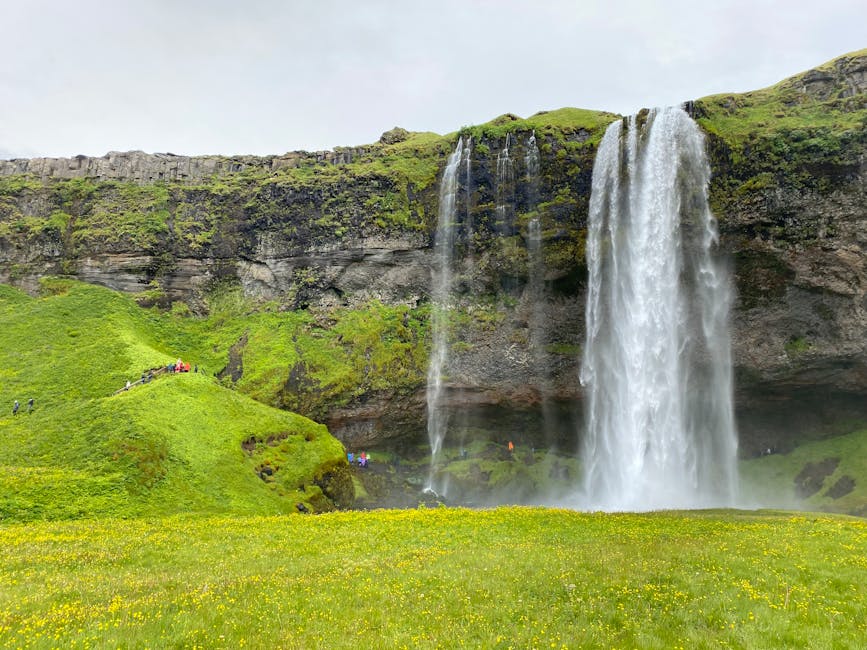
- Gullfoss Waterfall: One of Iceland’s most powerful waterfalls, where the Hvítá River plunges in two tiers into a rugged canyon. On sunny days, rainbows often dance in the mist.
3. The Blue Lagoon: A Geothermal Oasis
Located in a lava field near Grindavík, the Blue Lagoon is one of Iceland’s most iconic destinations. This milky-blue geothermal spa is rich in minerals like silica and sulfur, known for their skin-healing properties. While it’s a popular spot, visiting early in the morning or booking a private lagoon experience can help you avoid the crowds.
Beyond soaking in the warm waters, the Blue Lagoon offers luxury spa treatments, a swim-up bar, and a restaurant serving Nordic-inspired cuisine. It’s a perfect place to relax after a day of exploring, especially during the colder months.
4. The South Coast: Waterfalls, Black Sand Beaches, and Glaciers
Iceland’s South Coast is a treasure trove of natural wonders, easily accessible from Reykjavik via Route 1. This stretch of coastline is lined with dramatic waterfalls, black sand beaches, and glacial lagoons—each more breathtaking than the last.
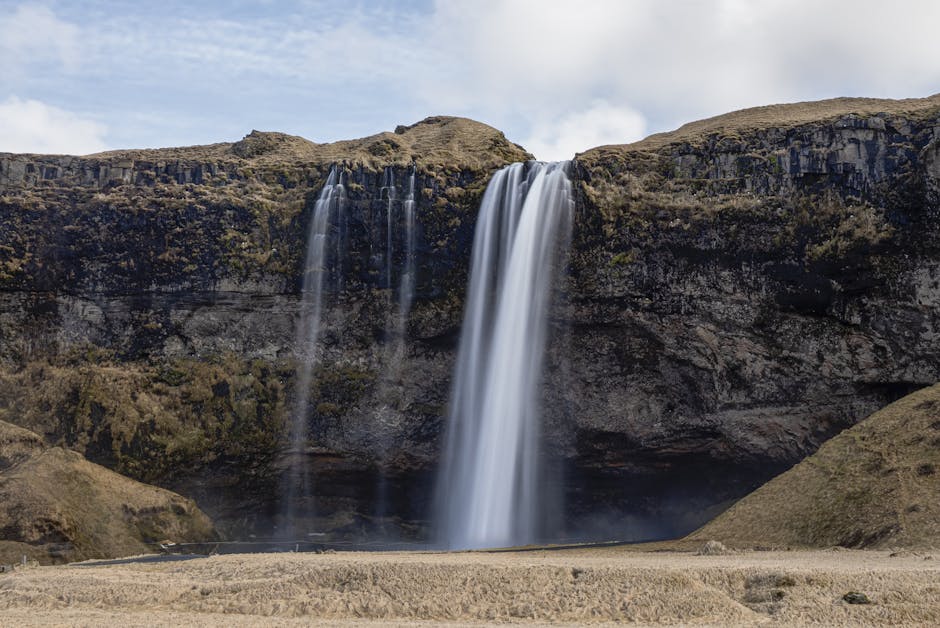
Begin with Seljalandsfoss, a waterfall you can walk behind for a unique perspective. Just a short drive away is Skógafoss, a powerful cascade that plunges 60 meters and often creates rainbows in its mist. Further east, you’ll find Reynisfjara, a black sand beach famous for its basalt columns and roaring Atlantic waves. Be cautious here—the waves are powerful and can be dangerous.
Don’t miss the glacier lagoon of Jökulsárlón, where icebergs calve from the Breiðamerkurjökull glacier and float into a serene lake before drifting out to sea. Nearby, Diamond Beach is where these ice chunks wash ashore, glistening like jewels on the black sand. For the adventurous, a glacier hike or ice cave tour on Vatnajökull—the largest ice cap in Europe—is an unforgettable experience.
5. Snæfellsnes Peninsula: Iceland in Miniature
Often referred to as “Iceland in miniature,” the Snæfellsnes Peninsula packs a diverse range of landscapes into a compact area. Located just a two-hour drive from Reykjavik, this region features volcanic craters, lava fields, fishing villages, and the iconic Snæfellsjökull volcano—immortalized in Jules Verne’s Journey to the Center of the Earth.
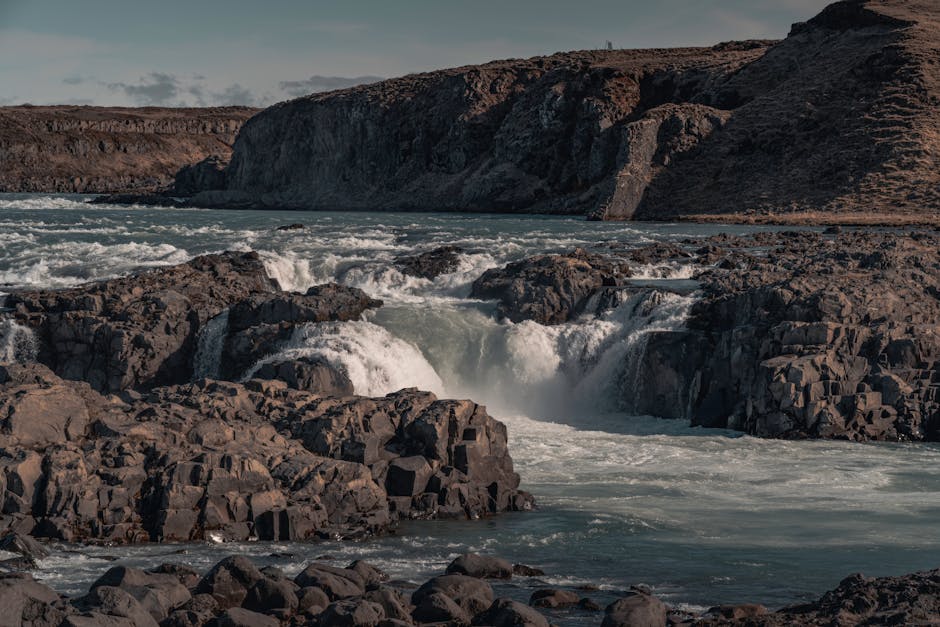
Explore the charming village of Arnarstapi, hike along coastal cliffs, or visit the black church at Búðir. The Kirkjufell mountain, one of Iceland’s most photographed peaks, offers stunning views, especially at sunrise or sunset. With its mix of natural beauty and cultural charm, Snæfellsnes is a must-visit for travelers seeking a quieter, more intimate side of Iceland.
6. The Highlands: Remote Wilderness and Untouched Beauty
For those willing to venture off the beaten path, Iceland’s highlands offer some of the most remote and rugged landscapes in the country. Accessible only during the summer months (typically June to September) via 4×4 vehicles, this region is a paradise for hikers and nature photographers.
Highlights include Landmannalaugar, known for its colorful rhyolite mountains and geothermal hot springs, and Þórsmörk, a lush valley nestled between glaciers. The Askja caldera, with its otherworldly Víti crater lake, is another standout destination. Due to the challenging terrain and limited facilities, traveling in the highlands requires careful planning and respect for the environment.
7. The Westfjords: Rugged Cliffs and Quiet Villages
The Westfjords, a sparsely populated region in northwestern Iceland, offer dramatic fjords, towering sea cliffs, and a sense of isolation that’s hard to find elsewhere. This remote area is perfect for travelers seeking solitude and untouched nature.
Visit Dynjandi, a stunning tiered waterfall that cascades down a mountainside like a bridal veil. The village of Ísafjörður, the largest town in the region, serves as a cultural hub with museums, cafes, and a vibrant arts scene. The Westfjords are also a prime location for spotting Arctic foxes and seabird colonies, especially at Látrabjarg, Europe’s largest bird cliff.
When to Visit Iceland
The best time to visit Iceland depends on your interests. Summer (June to August) offers mild weather, long daylight hours, and access to highland roads. It’s ideal for road trips, hiking, and exploring the full Ring Road. However, it’s also the peak tourist season, so expect larger crowds and higher prices.
Winter (November to March) is perfect for experiencing Iceland’s magical atmosphere, with snow-covered landscapes and the chance to see the Northern Lights. While some roads and attractions may be closed, winter offers unique activities like ice caving, snowmobiling, and glacier tours. Spring (April to May) and autumn (September to October) are shoulder seasons, offering a balance of fewer tourists, lower prices, and favorable weather for many activities.
Travel Tips for Visiting Iceland
To make the most of your trip, keep these practical tips in mind:
- Pack layers: Iceland’s weather can change rapidly, so dress in waterproof and windproof layers.
- Rent a reliable vehicle: A 4×4 is essential for highland and winter travel. Always check road conditions on road.is.
- Respect nature: Stay on marked paths, do not litter, and follow the principles of Leave No Trace.
- Book accommodations and tours in advance: Especially during peak season, popular lodges and guided tours fill up quickly.
- Try local food: Don’t miss out on fresh fish, lamb, skyr (a yogurt-like dairy product), and Icelandic bread baked in geothermal ovens.
Conclusion
Iceland is a destination that defies expectations. From the otherworldly landscapes of the highlands to the cultural charm of Reykjavik, the best places to visit in Iceland offer something for every traveler. Whether you’re chasing waterfalls, soaking in geothermal pools, or marveling at the Northern Lights, this Nordic island promises an adventure like no other. With careful planning and an open mind, your journey through Iceland will be nothing short of extraordinary.
FAQ
What is the best time of year to visit Iceland?
The best time depends on your interests. Summer (June–August) offers long days and access to highland roads, while winter (November–March) is ideal for Northern Lights and ice caving. Shoulder seasons (spring and autumn) offer fewer crowds and lower prices.
Do I need a 4×4 vehicle to explore Iceland?
A regular car is sufficient for the Ring Road and popular routes like the Golden Circle and South Coast. However, a 4×4 is required for highland roads (F-roads) and winter driving.
Is Iceland expensive for travelers?
Yes, Iceland is one of the more expensive destinations in Europe. However, you can manage costs by cooking your own meals, staying in guesthouses or campsites, and taking advantage of free natural attractions like waterfalls and hiking trails.