Best Places to Visit in Milford Sound, New Zealand
Best Places to Visit in Milford Sound, New Zealand
Nestled deep within Fiordland National Park on New Zealand’s South Island, Milford Sound is one of the most breathtaking natural wonders on the planet. Renowned for its dramatic cliffs, cascading waterfalls, and serene mirror-like waters, this UNESCO World Heritage site draws travelers from around the globe. Whether you’re an adventure seeker, a nature lover, or simply in search of awe-inspiring scenery, the best places to visit in Milford Sound, New Zealand offer unforgettable experiences. From iconic landmarks to hidden gems, this guide will help you make the most of your journey through one of the world’s most spectacular fjords.
Why Milford Sound Is a Must-Visit Destination
Milford Sound isn’t just a destination—it’s an experience. Carved by glaciers over millions of years, the fiord stretches 15 kilometers inland from the Tasman Sea, flanked by towering peaks that rise over 1,200 meters above sea level. The region receives some of the highest rainfall in New Zealand, which feeds over 14 waterfalls that tumble down the cliffs, especially after heavy rain. This unique combination of geology, climate, and biodiversity makes Milford Sound a living masterpiece of natural beauty.
Accessible via the scenic Milford Road (State Highway 94), the journey to the sound itself is part of the adventure. The drive from Te Anau takes about two hours and passes through lush rainforests, alpine passes, and crystal-clear lakes. Along the way, you’ll encounter viewpoints like the Mirror Lakes and the Homer Tunnel, each offering a glimpse into the raw power and beauty of the Southern Alps.
Top Attractions in Milford Sound
Once you arrive at the Milford Sound wharf, a world of exploration awaits. Whether you choose to cruise the waters, hike the trails, or simply soak in the views, there’s no shortage of ways to experience this natural wonder. Below are some of the most popular and rewarding attractions in the area.
1. Milford Sound Cruise
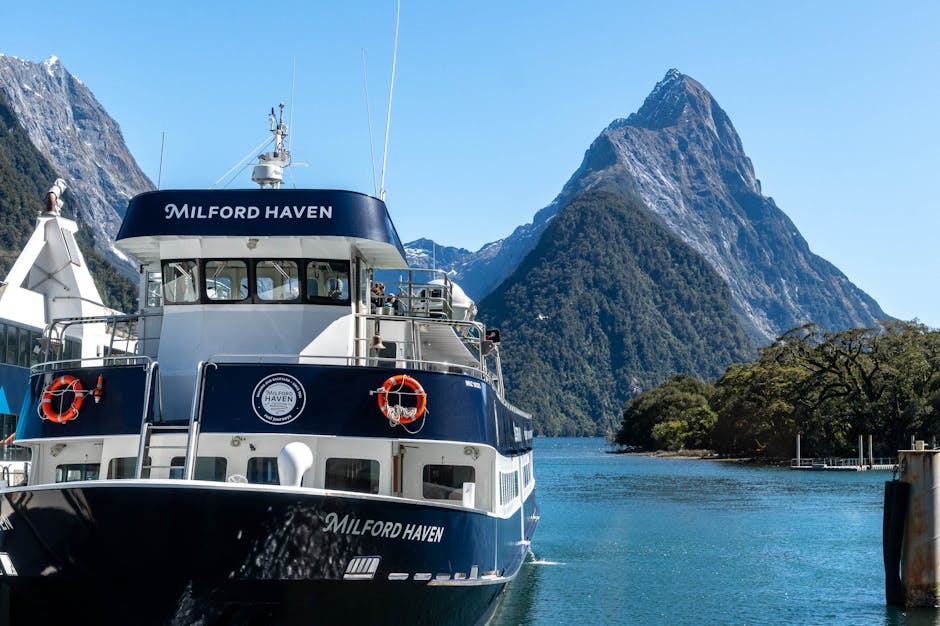
A boat cruise is the quintessential way to experience Milford Sound. These guided tours take you right up to the base of towering waterfalls, beneath sheer rock faces, and past playful wildlife. Most cruises last between 1.5 to 2 hours and are available in both daytime and twilight options.
During your cruise, you’ll pass iconic landmarks such as:
- Stirling Falls – A powerful 155-meter waterfall that plunges directly into the fiord.
- Bowen Falls – The tallest waterfall in the sound, dropping 160 meters from the summit of Lion Mountain.
- The Elephant – A rock formation resembling an elephant dipping its trunk into the water.
- Mitre Peak – One of the most photographed peaks in New Zealand, rising 1,683 meters from sea level.
Many cruises also include commentary from knowledgeable guides who share insights into the region’s geology, Maori history, and native wildlife. Keep your camera ready—seals, dolphins, and even penguins are often spotted along the way.
2. The Milford Discovery Centre & Underwater Observatory
For a unique perspective, visit the Milford Discovery Centre, located at the end of the wharf. This interactive museum offers exhibits on the fiord’s formation, marine life, and conservation efforts. The highlight, however, is the underwater observatory—a submerged platform that allows you to view the underwater world without getting wet.
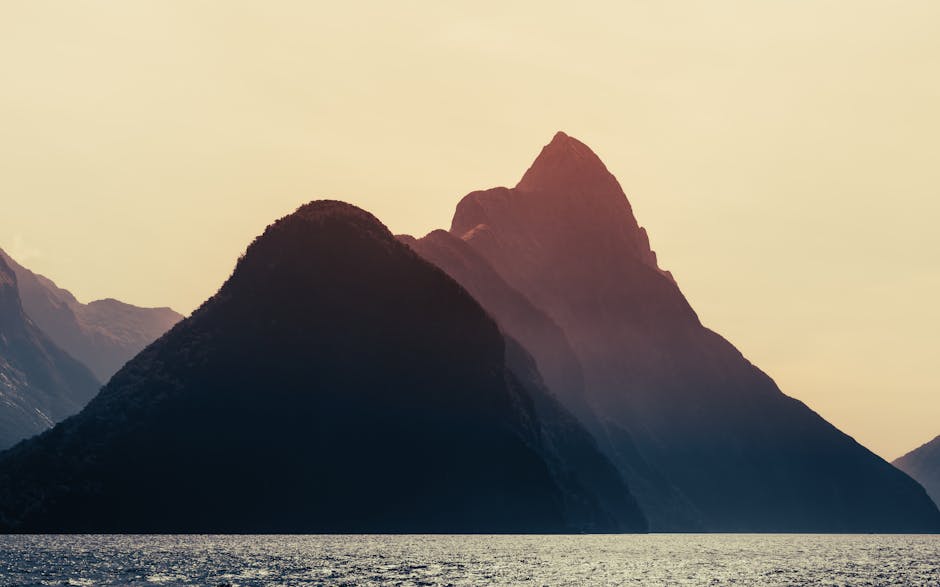
Here, you can observe rare black coral trees, schools of fish, and other marine species that thrive in the cold, dark depths of the fiord. The observatory is especially fascinating for families and those interested in marine biology.
3. Hiking the Milford Track
If you’re up for a multi-day adventure, the Milford Track is considered one of the finest walks in the world. This 53.5-kilometer trail begins at Te Anau Downs and ends at Sandfly Point in Milford Sound, taking approximately four days to complete.
The track passes through diverse landscapes, including beech forests, alpine meadows, and glacial valleys. Key highlights include:
- Lady Bowen Falls – A stunning waterfall near the trail’s end.
- McKinnon Pass – The highest point on the track, offering panoramic views of the surrounding mountains.
- Sutherland Falls – One of the tallest waterfalls in the world, with a total drop of 580 meters.
Due to its popularity, the Milford Track operates on a booking system, especially during the Great Walks season (October to April). Advance reservations are essential.
4. Kayaking in the Fiord
For a more intimate experience, consider a guided kayaking tour. Paddling through the calm waters of Milford Sound allows you to get closer to the wildlife and enjoy the serenity of the environment. Kayak tours typically last 3 to 4 hours and are suitable for all skill levels, with instruction provided.
Glide past cascading waterfalls, under overhanging cliffs, and alongside seals basking on rocky outcrops. The silence of the fiord, broken only by the splash of your paddle, creates a truly meditative experience.
Wildlife and Natural Wonders
Milford Sound is not just about scenery—it’s also a haven for native wildlife. The fiord’s nutrient-rich waters support a diverse marine ecosystem. Fur seals are commonly seen lounging on rocks, while bottlenose dolphins and Fiordland crested penguins inhabit the area year-round.
Birdwatchers will delight in spotting species such as the kea (the world’s only alpine parrot), tui, and bellbirds. On land, the surrounding rainforest is home to rare insects, mosses, and ferns, some of which are found nowhere else on Earth.
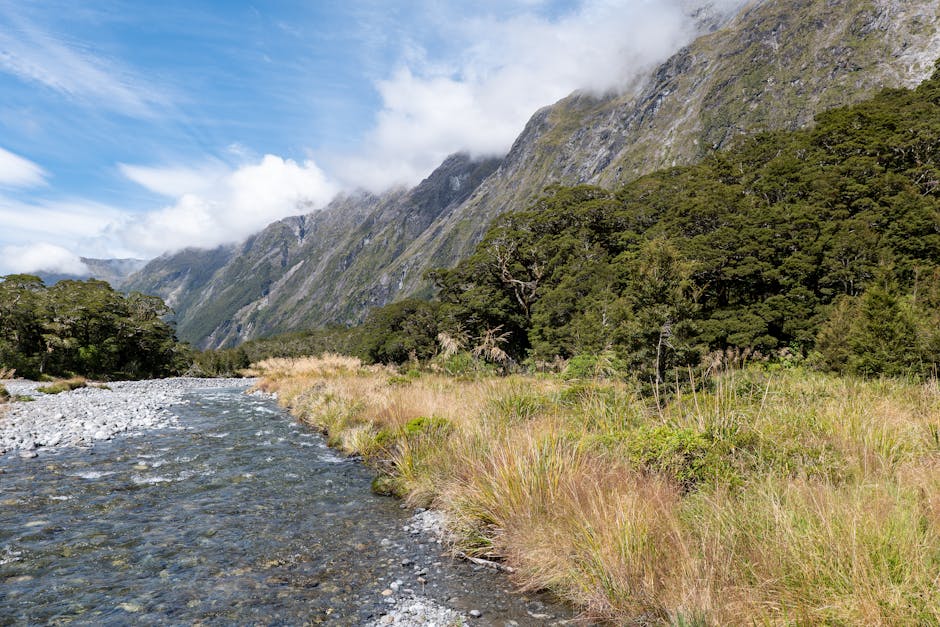
The interplay between land and sea creates a dynamic environment where life thrives in even the most remote corners. Conservation efforts are strong in the region, ensuring that Milford Sound remains pristine for future generations.
Best Time to Visit Milford Sound
Milford Sound is a year-round destination, but the best time to visit depends on your preferences. The summer months (December to February) offer longer daylight hours, warmer weather, and more cruise and tour options. This is also the peak tourist season, so expect larger crowds.
Autumn (March to May) brings fewer visitors and stunning foliage, while winter (June to August) offers a quieter, more dramatic atmosphere with snow-capped peaks and increased waterfall activity due to rainfall. Spring (September to November) sees the landscape come alive with blooming plants and returning wildlife.
Regardless of the season, weather in Milford Sound can change rapidly. Be prepared for rain, wind, and cooler temperatures—even in summer. Layered clothing, waterproof gear, and sturdy footwear are essential.
Getting to Milford Sound
Reaching Milford Sound requires some planning, as there are no direct flights to the fiord itself. Most travelers fly into Queenstown or Te Anau, then drive or take a shuttle along the Milford Road.
The drive from Queenstown takes about 4 hours, while Te Anau is a more manageable 2-hour journey. Scenic flights are also available from Queenstown, offering a bird’s-eye view of the Southern Alps and the fiord below. These flights typically include a brief landing at Milford Sound, allowing you to experience the landscape from both air and sea.
Public transportation options include guided tours and shuttle services, many of which include stops at key viewpoints and photo opportunities along the way. For those seeking flexibility, renting a car is recommended—just be aware that the road can be narrow and winding in places.
Accommodation Options Near Milford Sound
Accommodation within Milford Sound itself is limited, with only a few lodges and a campground available. Most visitors choose to stay in nearby Te Anau, which offers a wider range of hotels, motels, and holiday parks.
If you prefer to stay closer to the action, consider booking a night at the Milford Sound Lodge or the Milford Sound campground. These options allow you to experience the fiord at sunrise or sunset, when the light is at its most magical and the crowds have dispersed.
For a truly unique experience, some cruise operators offer overnight stays on board, complete with dinner and stargazing opportunities. These are ideal for photographers and romantics seeking a once-in-a-lifetime experience.
Sustainable Travel in Milford Sound
As one of New Zealand’s most treasured natural sites, Milford Sound is protected under strict environmental guidelines. Visitors are encouraged to follow the “Leave No Trace” principles: pack out all trash, stay on designated paths, and respect wildlife by maintaining a safe distance.
Many tour operators in the area are certified by Qualmark, New Zealand’s official mark of tourism quality, and adhere to sustainable practices. Choosing eco-friendly tours and accommodations helps preserve the integrity of this fragile ecosystem.
Additionally, consider offsetting your carbon footprint by supporting local conservation projects or choosing low-impact transportation options when possible.
Final Tips for Your Visit
To make the most of your trip to Milford Sound, keep these practical tips in mind:
- Book cruises and tours in advance, especially during peak season.
- Bring a waterproof jacket and camera with extra batteries.
- Check road conditions before traveling, particularly in winter.
- Allow extra time for the drive—there are many scenic stops along the way.
- Respect local guidelines and wildlife to ensure a safe and enjoyable visit.
Frequently Asked Questions
How long should I spend in Milford Sound?
Most visitors spend a full day exploring Milford Sound, including a cruise and time at the Discovery Centre. If you’re hiking the Milford Track or taking a scenic flight, plan for 2–4 days.
Is Milford Sound worth visiting in the rain?
Absolutely. Rain enhances the experience by feeding the waterfalls and creating a moody, dramatic atmosphere. Just be sure to dress appropriately and bring waterproof gear.
Can I visit Milford Sound on a day trip from Queenstown?
Yes, but it’s a long day—approximately 8–10 hours of driving round-trip. Many travelers prefer to stay overnight in Te Anau to break up the journey and enjoy a more relaxed experience.