Best Places to Visit in Swiss Alps, Switzerland
Best Places to Visit in Swiss Alps, Switzerland
When it comes to breathtaking alpine scenery, rich cultural heritage, and outdoor adventure, few destinations rival the Swiss Alps. Nestled in the heart of Europe, this majestic mountain range offers travelers a unique blend of natural beauty, charming villages, and world-class hospitality. Whether you’re seeking serene hiking trails, thrilling ski slopes, or panoramic train rides, the Swiss Alps deliver an unforgettable experience. In this guide, we’ll explore the best places to visit in Swiss Alps, Switzerland—each offering something special for every type of traveler.
Why Visit the Swiss Alps?
The Swiss Alps are more than just a mountain range—they are a symbol of natural grandeur and Swiss precision. With snow-capped peaks, crystal-clear lakes, and lush meadows, the region is a paradise for nature lovers. The Alps also play a vital role in Swiss culture, from traditional yodeling and folk festivals to cheese-making traditions that date back centuries. Beyond the scenery, the Swiss Alps are easily accessible thanks to an efficient public transportation system, making it simple to explore multiple destinations in a single trip.
Whether you’re visiting in winter for world-class skiing or in summer for hiking and mountaineering, the Swiss Alps offer year-round appeal. The region is also home to some of the most photographed landmarks in the world, including the iconic Matterhorn and the serene Lake Geneva. With so much to see and do, it’s no wonder the Swiss Alps remain a top destination for travelers from around the globe.
Top Destinations in the Swiss Alps
With countless villages, peaks, and valleys to explore, narrowing down your itinerary can be challenging. To help you plan, we’ve curated a list of the best places to visit in Swiss Alps, Switzerland—each offering a unique slice of alpine life.
1. Zermatt – Home of the Matterhorn
No list of Swiss Alpine destinations would be complete without Zermatt. This car-free village sits at the foot of the legendary Matterhorn, one of the most recognizable mountains in the world. Zermatt is a haven for outdoor enthusiasts, offering over 360 kilometers of ski slopes in winter and countless hiking trails in summer. The Gornergrat Railway provides stunning views of the Matterhorn and surrounding glaciers, while the village itself charms visitors with its traditional wooden chalets and cozy mountain restaurants.
Beyond skiing and hiking, Zermatt offers cultural experiences such as the Matterhorn Museum, which tells the story of early mountaineering attempts on the peak. The village also hosts seasonal events, including the Zermatt Unplugged music festival, which brings acoustic performances to intimate alpine venues.
2. Interlaken – Gateway to the Jungfrau Region
Located between Lake Thun and Lake Brienz, Interlaken is a vibrant town that serves as the perfect base for exploring the Jungfrau Region. Known as the “Top of Europe,” this area includes some of the highest peaks in the Alps, such as the Jungfraujoch, Eiger, and Mönch. The Jungfraujoch railway station, perched at 3,454 meters above sea level, offers panoramic views of the Aletsch Glacier—the largest glacier in the Alps and a UNESCO World Heritage Site.
Interlaken itself is a hub for adventure sports, including paragliding, canyoning, and skydiving. The town’s central location makes it easy to take day trips to nearby villages like Grindelwald and Lauterbrunnen, both of which offer stunning scenery and access to hiking trails. In winter, Interlaken transforms into a winter sports destination, with nearby ski resorts catering to all skill levels.
3. St. Moritz – A Luxury Alpine Escape
For travelers seeking luxury and sophistication, St. Moritz stands out as one of the most exclusive destinations in the Swiss Alps. Located in the Engadin Valley, this glamorous resort town has been a winter playground for the elite since the 19th century. St. Moritz is known for its high-end hotels, gourmet dining, and designer shopping, but it also offers plenty of outdoor activities.
The region boasts over 350 kilometers of ski runs, as well as cross-country skiing trails and snowshoeing routes. In summer, visitors can enjoy hiking, mountain biking, and sailing on the pristine Lake St. Moritz. The town also hosts world-class events, such as the White Turf horse racing on the frozen lake and the St. Moritz Gourmet Festival, which attracts top chefs from around the world.
4. Grindelwald – A Hiker’s Paradise
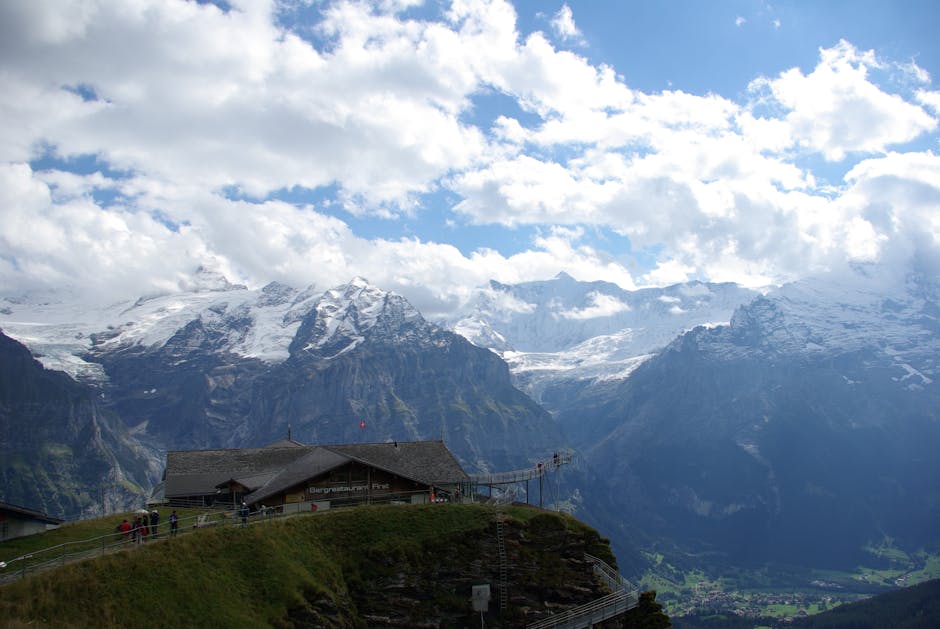
Nestled in the Bernese Oberland, Grindelwald is a picturesque village that offers some of the best hiking in the Swiss Alps. With its dramatic mountain backdrop and access to the Eiger North Face, Grindelwald is a favorite among climbers and trekkers. The First Cliff Walk by Tissot is a must-visit attraction, featuring a suspension bridge and viewing platform that offer breathtaking views of the surrounding peaks.
Grindelwald is also a great base for exploring the nearby Lauterbrunnen Valley, known for its 72 waterfalls and towering cliffs. The village itself is full of charm, with traditional Swiss architecture, local shops, and mountain lodges serving hearty Alpine cuisine. In winter, Grindelwald becomes a ski destination, with access to the extensive Jungfrau ski area.
5. Gstaad – Alpine Elegance in the Bernese Highlands
Gstaad is synonymous with understated luxury and Swiss tradition. This upscale resort town in the Bernese Highlands attracts a discerning crowd, including celebrities and royalty, yet maintains a relaxed, authentic atmosphere. Gstaad is known for its well-preserved wooden chalets, high-end boutiques, and excellent restaurants serving both international and Swiss cuisine.
The surrounding area offers a wide range of outdoor activities, from skiing and snowboarding in winter to hiking and horseback riding in summer. The Glacier 3000 cable car takes visitors to the top of the Diablerets massif, where they can walk on a suspended bridge with 360-degree views of 24 peaks over 3,000 meters high. Gstaad also hosts cultural events throughout the year, including the Gstaad Menuhin Festival, one of Europe’s most prestigious classical music festivals.
Unique Experiences in the Swiss Alps
Beyond the iconic destinations, the Swiss Alps offer a wealth of unique experiences that allow travelers to immerse themselves in the region’s natural and cultural wonders. Here are a few standout activities:
- Scenic Train Journeys: The Glacier Express and Bernina Express are two of the most famous train routes in the world, offering panoramic views of the Alps as they wind through tunnels, over bridges, and across glaciers.
- Cheese Tasting and Farm Visits: The Swiss Alps are famous for their dairy products, especially cheese. Many farms offer tours and tastings, allowing visitors to sample fresh Swiss cheese and learn about traditional production methods.
- Mountain Cuisine: From fondue and raclette to rösti and alpine herbs, Swiss mountain cuisine is hearty and flavorful. Many restaurants in alpine villages serve dishes made with locally sourced ingredients.
Best Time to Visit the Swiss Alps
The best time to visit the Swiss Alps depends on your interests. Winter, from December to March, is ideal for skiing, snowboarding, and other winter sports. The snow-covered landscapes and festive atmosphere make it a magical time to visit, especially around the holidays.
Summer, from June to September, is perfect for hiking, mountain biking, and exploring the region’s lakes and meadows. The weather is mild, and the days are long, providing ample time for outdoor adventures. Spring and autumn offer fewer crowds and beautiful scenery, with blooming flowers in spring and golden foliage in autumn.
Regardless of the season, it’s important to pack layers and be prepared for changing weather conditions. The Alpine climate can be unpredictable, with sudden temperature drops and afternoon thunderstorms, even in summer.
Travel Tips for the Swiss Alps
To make the most of your trip to the Swiss Alps, keep these practical tips in mind:
First, consider purchasing a Swiss Travel Pass, which provides unlimited access to trains, buses, and boats, as well as discounts on mountain railways and cable cars. This can save you money and simplify transportation across the region.
Second, book accommodations and popular attractions in advance, especially during peak seasons. Many alpine hotels and mountain huts have limited capacity, and popular train rides like the Jungfraujoch can sell out quickly.
Finally, respect the environment and local customs. The Swiss Alps are a protected natural area, and visitors are encouraged to follow the principles of Leave No Trace. Additionally, many villages have quiet hours and cultural traditions that travelers should observe.
Conclusion
The Swiss Alps are a destination like no other, offering a perfect blend of natural beauty, adventure, and culture. From the towering peaks of Zermatt to the serene lakes of Interlaken, the best places to visit in Swiss Alps, Switzerland cater to every traveler’s dream. Whether you’re seeking adrenaline-pumping activities, peaceful mountain retreats, or luxurious alpine experiences, the Swiss Alps deliver in every way.
With careful planning and an open mind, your journey through the Swiss Alps will be one of the most memorable of your life. So pack your bags, lace up your boots, and get ready to explore one of the world’s most stunning mountain ranges.
FAQ
What is the best way to travel between destinations in the Swiss Alps?
The most convenient way to travel between destinations in the Swiss Alps is by train. Switzerland’s rail network is one of the best in the world, with frequent, punctual, and scenic routes connecting major towns and mountain stations. The Swiss Travel Pass is highly recommended for tourists.
Do I need to speak German, French, or Italian to visit the Swiss Alps?
While Switzerland has four official languages, English is widely spoken in tourist areas, hotels, and transportation hubs. You can comfortably navigate the Swiss Alps without speaking the local languages, though learning a few basic phrases in German, French, or Romansh can enhance your experience.
Are the Swiss Alps safe for solo travelers?
Yes, the Swiss Alps are considered very safe for solo travelers. Switzerland has low crime rates, and the well-maintained infrastructure makes it easy to explore independently. However, always inform someone of your hiking plans and carry emergency contact information when venturing into remote areas.