Best Places to Visit in Vienna, Austria – A Complete Travel Guide
Best Places to Visit in Vienna, Austria – A Complete Travel Guide
Vienna, the capital of Austria, is a city where imperial grandeur meets modern elegance. Renowned for its rich history, classical music heritage, and stunning architecture, Vienna offers travelers a unique blend of culture, art, and charm. Whether you’re strolling through ornate palaces, sipping coffee in historic cafés, or exploring world-class museums, the city captivates at every turn. In this guide, we’ll explore the best places to visit in Vienna, Austria, helping you craft an unforgettable itinerary that highlights the city’s most iconic landmarks and hidden gems.
Why Vienna Should Be on Your Travel Bucket List
Vienna consistently ranks among the world’s most livable cities, and for good reason. It boasts a high quality of life, excellent public transportation, and a deep cultural legacy. As the former seat of the Habsburg Empire, Vienna is steeped in history, with architectural marvels, royal residences, and a vibrant arts scene. From Mozart and Beethoven to Freud and Klimt, the city has been home to some of history’s greatest minds. Today, it remains a cultural powerhouse, offering travelers a sophisticated yet welcoming atmosphere. Whether you’re a history buff, art lover, or foodie, Vienna delivers an enriching experience that appeals to all.
Top Attractions in Vienna
Vienna is home to a wealth of must-see attractions, each offering a unique glimpse into the city’s past and present. Below are some of the most iconic sites that should be on every traveler’s list.
Schönbrunn Palace: A UNESCO World Heritage Site
No visit to Vienna is complete without exploring Schönbrunn Palace, the former summer residence of the Habsburg monarchs. This opulent Baroque palace features 1,441 rooms, including the stunning Hall of Mirrors and the Blue Chinese Salon. The palace gardens are equally impressive, with manicured lawns, fountains, and the Gloriette—a triumphal arch offering panoramic views of the city. Don’t miss the Palm House, one of the largest greenhouse complexes in the world, or the Tiergarten Schönbrunn, the oldest zoo in existence. A guided tour provides fascinating insights into imperial life, while the palace’s audio guide allows for a self-paced exploration.
St. Stephen’s Cathedral: A Gothic Masterpiece
Dominating Vienna’s skyline with its intricate tile roof and towering spire, St. Stephen’s Cathedral (Stephansdom) is a symbol of the city’s resilience and faith. Dating back to the 12th century, this Gothic cathedral has survived wars, fires, and centuries of change. Visitors can climb the 343 steps to the South Tower for breathtaking views of Vienna or descend into the catacombs to explore centuries-old crypts. The cathedral’s interior features beautiful altars, stained glass windows, and the tomb of Prince Eugene of Savoy. Attending a Sunday mass or a classical concert here adds a spiritual and cultural dimension to your visit.
Belvedere Palace: Art and Architecture Combined
The Belvedere Palace complex consists of two Baroque palaces—Upper and Lower Belvedere—connected by formal gardens. Once the summer residence of Prince Eugene of Savoy, it now houses the Austrian Gallery, home to the world’s largest collection of Gustav Klimt’s works, including the iconic The Kiss. The palace’s ornate interiors, grand staircases, and gilded halls are as impressive as the art on display. The surrounding gardens, with their symmetrical layouts and fountains, are perfect for a leisurely stroll. The Belvedere also hosts temporary exhibitions, making it a dynamic cultural hub throughout the year.
Cultural and Artistic Highlights
Vienna’s cultural scene is one of the richest in Europe, with institutions that celebrate everything from classical music to contemporary art. Here are a few standout venues that showcase the city’s artistic soul.
Vienna State Opera: A World-Class Performance Venue
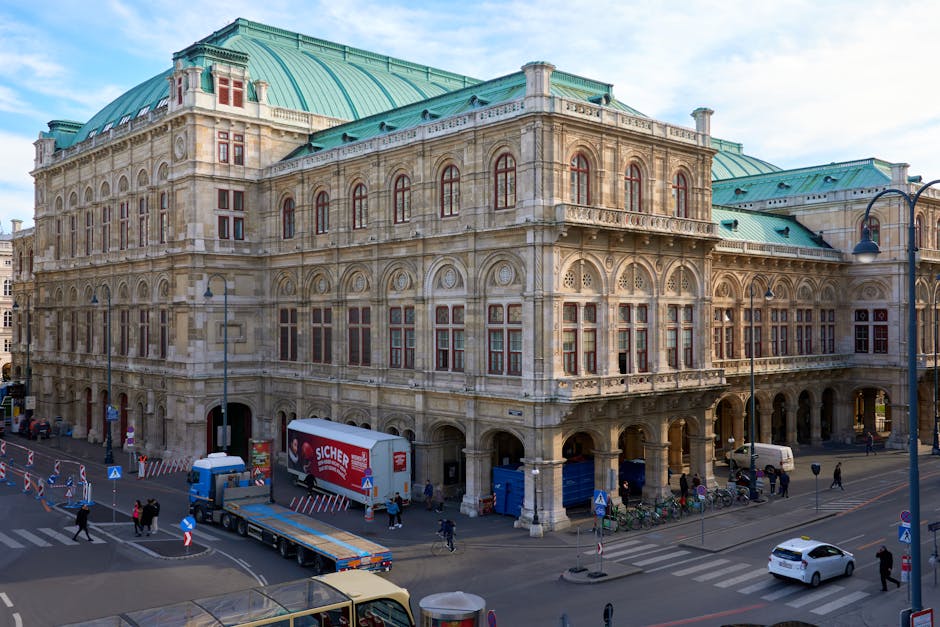
The Vienna State Opera is one of the most prestigious opera houses in the world, renowned for its acoustics and high-caliber performances. Attending a show here is a bucket-list experience for music lovers. The opera season runs from September to June, featuring a diverse program of operas, ballets, and concerts. Even if you can’t secure tickets to a performance, consider joining the standing-room queue on the day of the show—tickets are available for as little as €10. Guided tours of the opera house are also available, offering a behind-the-scenes look at its grandeur and history.
MuseumsQuartier: A Hub for Modern Art and Culture
One of Europe’s largest cultural complexes, MuseumsQuartier (MQ) is a vibrant district that blends historic architecture with contemporary design. It houses over 60 cultural institutions, including the Leopold Museum, which features works by Egon Schiele and other Austrian Expressionists, and the MUMOK (Museum of Modern Art), with its extensive collection of 20th-century art. The MQ also includes performance spaces, cafés, and outdoor areas where locals and tourists gather. It’s an ideal place to spend an afternoon exploring art, enjoying a coffee, or attending a cultural event.
Parks and Green Spaces
Despite its urban density, Vienna is one of the greenest cities in Europe, with over 40% of its area covered by parks and gardens. These spaces offer a peaceful retreat from the bustling city center and are perfect for relaxation, picnics, or scenic walks.
Prater Park and the Giant Ferris Wheel
The Prater is a vast public park in the Leopoldstadt district, famous for its amusement park, the Wurstelprater, and the iconic Riesenrad (Giant Ferris Wheel). Built in 1897, the Ferris Wheel offers stunning views of the city and has appeared in numerous films, including The Third Man. While the amusement park adds a playful touch, much of the Prater remains a natural oasis with wooded areas, meadows, and cycling paths. Rent a bike or take a horse-drawn carriage ride to explore the park at a leisurely pace.
Volksgarten: A Romantic Urban Oasis
Located near the Hofburg Palace, the Volksgarten (People’s Garden) is a beautifully landscaped park with rose gardens, fountains, and shaded walkways. It’s a favorite spot for locals to relax and for tourists to unwind between sightseeing. The park is also home to the Temple of Theseus, a neoclassical structure originally built in Greece and relocated to Vienna in the 19th century. In summer, the park hosts open-air concerts and cultural events, adding to its lively atmosphere.
Vienna’s Culinary Scene
Vienna’s food culture is a delightful mix of tradition and innovation. From hearty Austrian classics to international cuisine, the city offers something for every palate. Don’t leave without trying these local specialties:
- Wiener Schnitzel: A breaded and fried veal cutlet, best enjoyed with potato salad or lingonberry jam.
- Sachertorte: A rich chocolate cake with apricot jam and dark chocolate glaze, invented at the Hotel Sacher.
- Apfelstrudel: A flaky pastry filled with spiced apples, raisins, and cinnamon, often served with vanilla sauce.
- Vienna Coffee: A cultural institution—order a Melange (similar to a cappuccino) or Einspänner (espresso with whipped cream) in a traditional café.
For a true Viennese experience, visit a Heuriger—a wine tavern where local vintners serve their latest vintage alongside simple, home-style dishes. These taverns are especially popular in the Grinzing district and offer a relaxed, authentic atmosphere.
Day Trips from Vienna
While Vienna itself offers endless attractions, the surrounding region is rich in history and natural beauty. Consider these day trips to enhance your travel experience:
Bratislava, Slovakia
Just an hour away by train or boat, Bratislava is a charming capital city with a compact old town, medieval castle, and vibrant café culture. It’s an ideal destination for a half-day or full-day excursion, offering a different cultural flavor just across the Danube.
Wachau Valley
This scenic region along the Danube River is known for its terraced vineyards, picturesque villages, and historic monasteries. A river cruise from Vienna to Melk Abbey is a popular option, allowing you to enjoy the landscape while learning about the area’s wine-making traditions.
Kamp Valley and Carnuntum
For history enthusiasts, the Kamp Valley offers Roman ruins at Carnuntum, once a major military camp on the Danube frontier. The archaeological park features reconstructed buildings and an open-air museum, providing a fascinating look into ancient life.
Tips for Traveling in Vienna
To make the most of your trip, keep these practical tips in mind:
Transportation
Vienna has an excellent public transportation system, including U-Bahn (subway), trams, and buses. A Vienna City Card offers unlimited travel and discounts at many attractions. Walking is also a great way to explore the city center, as most major sights are within a short distance of each other.
Language and Etiquette
While many locals speak English, learning a few basic German phrases can go a long way. Austrians appreciate politeness, so greetings like “Guten Tag” (Good day) and “Danke” (Thank you) are always welcome. Tipping is customary—round up the bill or leave 5–10% in restaurants and cafés.
Best Time to Visit
Vienna is a year-round destination, but the best times to visit are spring (April–June) and fall (September–October), when the weather is mild and crowds are smaller. Summer brings festivals and outdoor events, while winter transforms the city into a festive wonderland with Christmas markets and holiday lights.
Final Thoughts
Vienna is a city that rewards curiosity and invites exploration. From its imperial palaces and world-class museums to its serene parks and culinary delights, it offers a travel experience that is both enriching and enjoyable. Whether you’re visiting for a long weekend or an extended stay, the best places to visit in Vienna, Austria will leave you with lasting memories and a deep appreciation for this remarkable city. Plan your trip with care, embrace the local culture, and let Vienna’s timeless charm sweep you off your feet.
FAQ
What is the best time of year to visit Vienna?
The ideal times to visit Vienna are during spring (April to June) and autumn (September to October), when the weather is pleasant and tourist crowds are manageable. Summer offers vibrant festivals, while winter brings magical Christmas markets.
Is Vienna expensive for tourists?
Vienna is moderately priced compared to other European capitals. While fine dining and luxury hotels can be costly, budget travelers can enjoy affordable public transport, reasonably priced meals, and many free attractions like parks and churches.
Do I need to speak German to get around Vienna?
No, English is widely spoken in tourist areas, hotels, and restaurants. However, learning a few basic German phrases can enhance your experience and is appreciated by locals.