Best Road Trip Across Scotland: A Complete Guide for Travelers
Best Road Trip Across Scotland: A Complete Guide for Travelers
Embarking on the best road trip across Scotland is one of the most rewarding travel experiences you can have. From rugged highlands and ancient castles to serene lochs and vibrant cities, Scotland offers a diverse and breathtaking landscape that’s best explored by car. Whether you’re drawn to the dramatic peaks of the Highlands, the historic charm of Edinburgh, or the remote beauty of the Isle of Skye, a self-drive journey allows you to uncover hidden gems at your own pace. This comprehensive guide will help you plan an unforgettable Scottish adventure, covering the top routes, must-see stops, practical tips, and essential travel advice to make your trip seamless and memorable.
Why Choose a Road Trip in Scotland?
Scotland’s compact size and well-maintained road network make it ideal for a road trip. Unlike other destinations where major attractions are concentrated in urban centers, Scotland’s beauty lies in its countryside—accessible only by car. A road trip gives you the freedom to explore remote villages, stop at scenic viewpoints, and detour to lesser-known historical sites without relying on public transportation schedules. Additionally, driving in Scotland offers a sense of adventure and discovery, with winding coastal roads, mountain passes, and panoramic vistas around every bend.
Another advantage is the flexibility to adjust your itinerary based on weather, mood, or unexpected finds. One day you might be hiking in Glencoe, and the next, sipping whisky in a cozy pub in the Outer Hebrides. With so much variety packed into a relatively small area, a road trip across Scotland allows you to experience the country’s full range of landscapes, cultures, and histories in a short time.
Top Routes for the Best Road Trip Across Scotland
While Scotland offers countless possible routes, a few stand out for their scenic beauty, cultural significance, and accessibility. Below are some of the most popular and rewarding itineraries for travelers seeking the best road trip across Scotland.
The North Coast 500 (NC500)
Often dubbed “Scotland’s Route 66,” the North Coast 500 is a 516-mile loop starting and ending in Inverness. This route takes you through some of the country’s most dramatic coastal scenery, including the rugged cliffs of the north coast, the sandy beaches of the west, and the rolling hills of the east. Highlights include the Black Isle, Durness, Applecross, and the historic town of Dornoch. The NC500 is ideal for travelers who want a mix of adventure, solitude, and stunning views.
Isle of Skye and the Highlands
For those drawn to mythic landscapes, the Isle of Skye is a must-visit. Accessible via the Skye Bridge from the mainland, this island is famous for its otherworldly scenery—think jagged peaks like the Cuillin Hills, fairy pools, and the iconic Old Man of Storr. Combine your visit with a drive through Glencoe, Fort William, and Loch Ness for a full Highland experience. This route is perfect for nature lovers and photographers.
Edinburgh to the Outer Hebrides
Start in Scotland’s capital, Edinburgh, with its medieval Old Town and world-famous castle. From there, head west through Stirling, across the Kintyre Peninsula, and take a ferry to the Isle of Islay or the Outer Hebrides. This route blends urban culture with remote island life, offering whisky distilleries, ancient standing stones, and Gaelic traditions. It’s ideal for travelers interested in history, culture, and a slower pace of exploration.
Essential Stops Along the Way
No road trip across Scotland would be complete without visiting some of its most iconic landmarks and hidden treasures. Here are a few essential stops to include in your itinerary:
- Edinburgh Castle: Perched atop an extinct volcano, this historic fortress offers panoramic views of the city and a deep dive into Scotland’s royal past.
- Loch Ness: Famous for the legendary monster, this deep freshwater loch is surrounded by beautiful scenery and historic sites like Urquhart Castle.
- Glencoe: A hauntingly beautiful valley known for its dramatic mountain scenery and tragic history. It’s a hiker’s paradise and a must-see for nature enthusiasts.
- Eilean Donan Castle: One of Scotland’s most photographed castles, located on a small island where three lochs meet. It’s a stunning photo opportunity and a glimpse into medieval Scotland.
- Stirling Bridge and Wallace Monument: Commemorating the Scottish hero William Wallace, this site offers insight into Scotland’s fight for independence.
- Portree (Isle of Skye): The island’s colorful harbor town is the perfect base for exploring Skye’s natural wonders.
- Callanish Stones (Isle of Lewis): A prehistoric stone circle older than Stonehenge, set against a backdrop of moorland and sea.
Practical Tips for Driving in Scotland
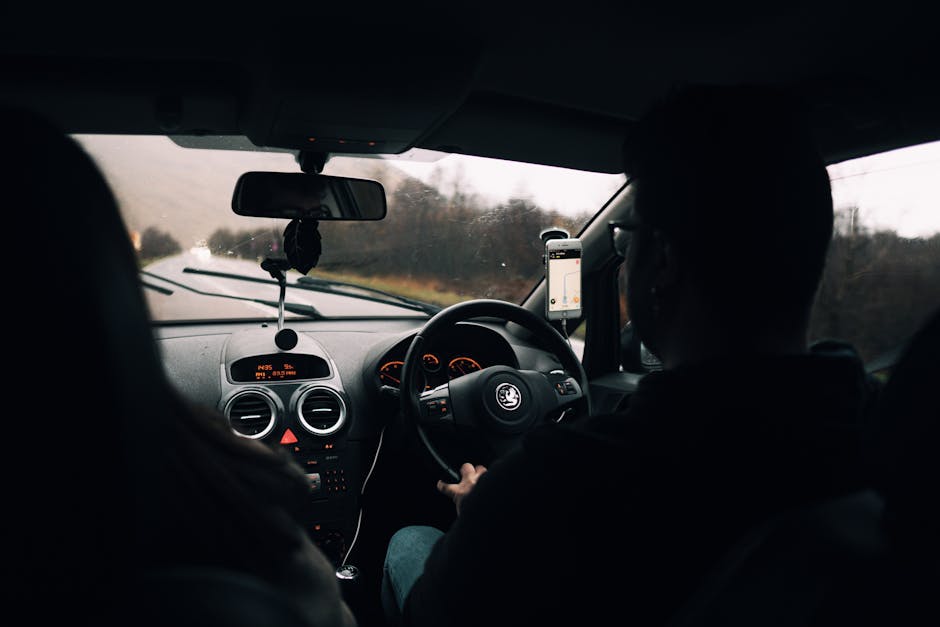
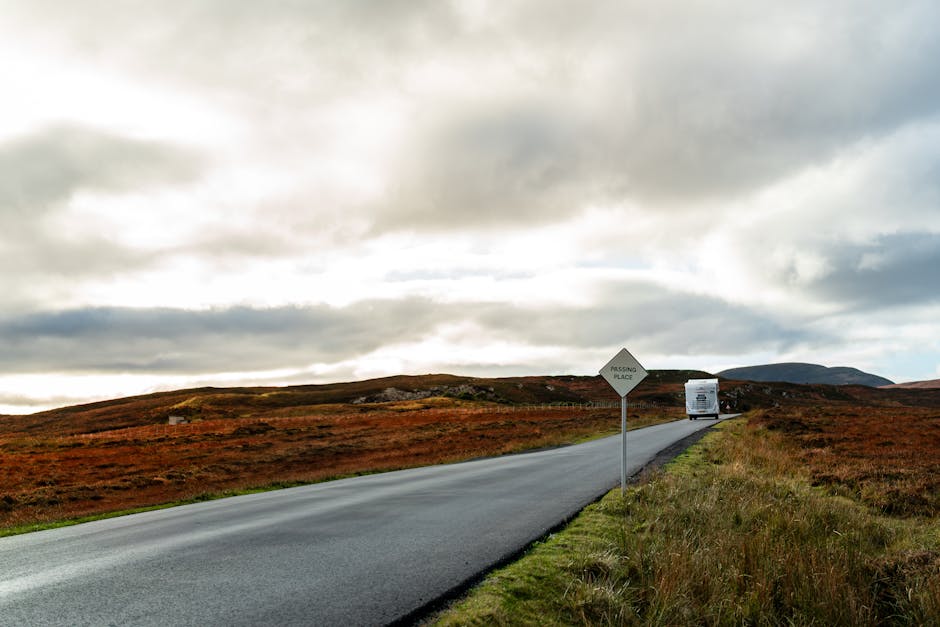
Driving in Scotland is generally straightforward, but there are a few things to keep in mind to ensure a smooth journey. Most roads are well-signposted and maintained, but rural routes can be narrow, winding, and single-track with passing places. Always approach these roads with caution, especially in poor weather.
Remember that driving is on the left side of the road, and speed limits are typically 60 mph (96 km/h) on rural roads and 70 mph (112 km/h) on motorways. In towns and villages, the limit drops to 30 mph (48 km/h). Speed cameras are common, so adhere to posted limits.
Fuel stations can be sparse in remote areas, so plan your refueling stops in advance. It’s also wise to carry a physical map or download offline maps, as mobile signal can be unreliable in the Highlands and islands. Lastly, be prepared for rapidly changing weather—rain, wind, and fog are common, even in summer. Pack layers and waterproof clothing.
Best Time to Go on a Road Trip Across Scotland
The ideal time for the best road trip across Scotland depends on your preferences. Summer (June to August) offers the longest daylight hours, mildest weather, and the most vibrant landscapes. This is also peak tourist season, so popular destinations can be crowded, and accommodation prices rise.
Spring (April to May) and early autumn (September to October) are excellent alternatives. The weather is still pleasant, crowds are thinner, and the scenery is stunning—think blooming wildflowers in spring or golden foliage in autumn. Winter (November to March) can be magical, with snow-dusted mountains and fewer tourists, but road conditions may be challenging, and some attractions close.
Regardless of when you go, always check local conditions and plan for flexibility, especially if you’re venturing into remote areas.
Accommodation Options for Road Trippers
Scotland offers a wide range of accommodation to suit every traveler’s style and budget. From luxury hotels in cities to cozy bed and breakfasts in villages, there’s something for everyone. For a truly authentic experience, consider staying in a traditional Scottish inn or a self-catering cottage, especially in rural areas.
Hostels and campsites are great budget options, particularly for younger travelers or those embracing the outdoors. Many campsites are located in scenic locations and offer basic facilities, while others provide full amenities like showers, Wi-Fi, and on-site shops. Booking in advance is recommended during peak season, especially for popular areas like the Isle of Skye or the NC500 route.
If you’re traveling with a campervan or motorhome, Scotland has numerous designated campsites and some wild camping opportunities (where permitted by local bylaws). Always follow the Scottish Outdoor Access Code—leave no trace, respect wildlife, and camp responsibly.
Packing Essentials for Your Scottish Road Trip
Being prepared is key to enjoying your road trip across Scotland. Here are some essential items to pack:
- Waterproof jacket and trousers
- Sturdy walking shoes or hiking boots
- Layered clothing (thermal base layers, fleece, etc.)
- Portable phone charger and car adapter
- Offline maps or GPS device
- First aid kit
- Reusable water bottle and snacks
- Camera or smartphone with extra storage
- Travel adapter (if coming from outside the UK)
- Guidebook or travel app with offline access
Don’t forget to bring a UK driving license (or an International Driving Permit if required), vehicle insurance documents, and breakdown coverage. If you’re renting a car, confirm that the vehicle is equipped with a spare tire, jack, and warning triangle.
Sustainable Travel in Scotland
As tourism grows, so does the importance of traveling responsibly. Scotland is committed to preserving its natural beauty and cultural heritage, and visitors can play a role by adopting sustainable travel practices. Stick to marked trails when hiking, avoid disturbing wildlife, and dispose of waste properly—especially in remote areas.
Support local businesses by eating at family-run restaurants, buying from local artisans, and staying in independently owned accommodations. Consider offsetting your carbon footprint by contributing to environmental initiatives or choosing eco-friendly transport options where possible.
When visiting historic sites or sacred places like standing stones or ancient burial grounds, be respectful of local customs and guidelines. Many communities welcome visitors but appreciate quiet, mindful tourism.
Final Thoughts: Make the Most of Your Journey
The best road trip across Scotland isn’t just about ticking off landmarks—it’s about embracing the journey, connecting with the landscape, and experiencing the warmth of Scottish hospitality. Whether you’re marveling at a sunset over the Highlands, chatting with a local in a village pub, or standing in silence before a 5,000-year-old stone circle, these moments create lasting memories.
With careful planning, an open mind, and a spirit of adventure, your Scottish road trip can be one of the most fulfilling travel experiences of your life. So pack your bags, fill up the tank, and set off on a journey through one of the world’s most captivating countries.
FAQ
Q: Do I need an International Driving Permit to drive in Scotland?
A: If you’re from the EU, EEA, or Switzerland, your national driving license is valid. Visitors from other countries may need an International Driving Permit (IDP) alongside their home license. Check the UK government’s official website for the latest requirements.
Q: Is it safe to drive in remote areas of Scotland?
A: Yes, but preparation is key. Roads in remote areas can be narrow and winding, and mobile coverage may be limited. Always check weather and road conditions, carry emergency supplies, and inform someone of your travel plans.
Q: Can I camp anywhere in Scotland?
A: Scotland has a tradition of responsible wild camping under the Scottish Outdoor Access Code, but it’s restricted in certain areas like national parks or private land. Always camp discreetly, leave no trace, and follow local guidelines. For convenience and facilities, use designated campsites.