Best Things to Do in Cappadocia, Turkey
Best Things to Do in Cappadocia, Turkey
When it comes to unforgettable travel destinations, few places captivate the imagination quite like Cappadocia, Turkey. Renowned for its otherworldly landscapes, ancient cave dwellings, and rich cultural heritage, Cappadocia offers a unique blend of natural beauty and historical intrigue. Whether you’re an adventure seeker, history enthusiast, or simply in search of breathtaking views, the best things to do in Cappadocia, Turkey, promise an experience unlike any other. From floating above fairy chimneys in a hot air balloon to exploring underground cities carved centuries ago, this region in central Anatolia is a treasure trove of wonders waiting to be discovered.
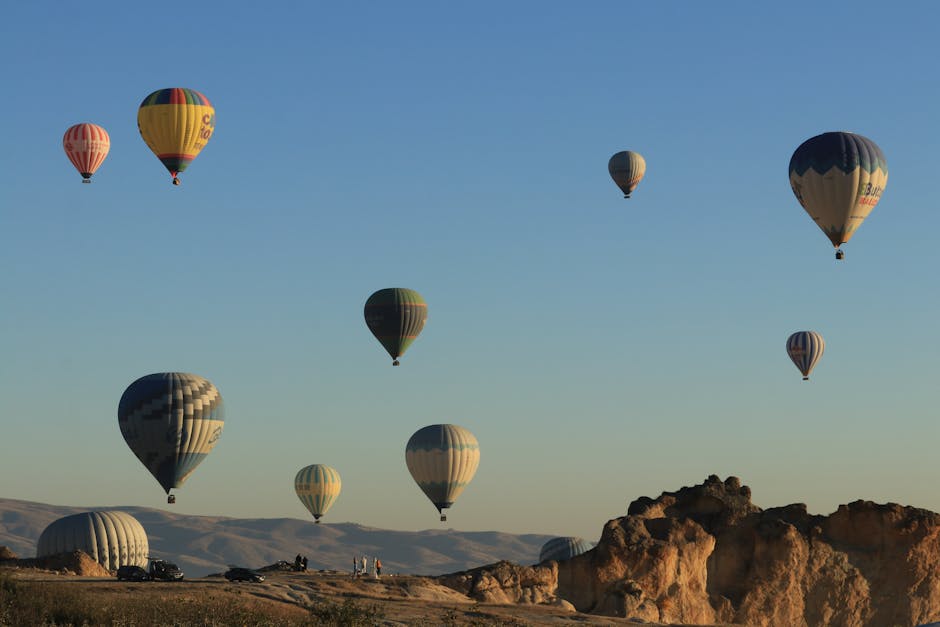
Soar Above the Fairy Chimneys in a Hot Air Balloon
One of the most iconic experiences in Cappadocia is taking a sunrise hot air balloon ride. As the first light of dawn bathes the landscape in golden hues, dozens of colorful balloons lift off into the sky, offering panoramic views of the region’s famous fairy chimneys, rock formations, and valleys. This serene and magical journey provides a bird’s-eye perspective of the surreal terrain that has been shaped by volcanic eruptions and erosion over thousands of years.
Balloon rides typically last about one hour, but the entire experience—including hotel pickup, pre-flight refreshments, and a celebratory toast after landing—can take up to three hours. It’s advisable to book in advance, especially during peak seasons like spring and autumn, when the weather is most favorable and the skies are clearest. While the cost may seem steep, the unforgettable views and once-in-a-lifetime experience make it well worth the investment.
Explore the Underground Cities of Derinkuyu and Kaymaklı
Hidden beneath the surface of Cappadocia are some of the most astonishing architectural feats of the ancient world: underground cities. These subterranean complexes were carved directly into the soft volcanic rock by early Christians seeking refuge from persecution. The two most notable are Derinkuyu and Kaymaklı, both of which are open to visitors and offer a fascinating glimpse into life underground.
Derinkuyu is the deeper of the two, extending up to eight levels and once housing as many as 20,000 people. Visitors can descend through narrow tunnels, explore living quarters, kitchens, wine presses, and even a school. Kaymaklı, while slightly smaller, is equally impressive and features a more complex network of passageways and ventilation shafts. Guided tours are available and highly recommended to fully appreciate the historical significance and engineering ingenuity behind these remarkable structures.
Wander Through the Göreme Open-Air Museum
A UNESCO World Heritage Site, the Göreme Open-Air Museum is a must-visit for anyone interested in history, art, and architecture. This monastic complex, carved into the rock in the 4th century, features a collection of rock-cut churches, chapels, and monasteries adorned with beautifully preserved frescoes depicting biblical scenes.
The site is divided into several sections, with the most famous being the Dark Church (Karanlık Kilise) and the Apple Church (Elmalı Kilise). The Dark Church, in particular, is renowned for its exceptionally well-preserved frescoes, which have retained their vibrant colors due to being sealed off for centuries. A small additional fee is required to enter this section, but it’s a small price to pay for such a rare and intimate glimpse into early Christian art.
Walking through the museum’s winding paths and entering the dimly lit chapels feels like stepping back in time. Informational signs and audio guides help bring the history to life, making it an educational and spiritually enriching experience.
Hike the Unique Valleys of Cappadocia
Cappadocia’s dramatic valleys offer some of the most scenic hiking trails in the world. Each valley has its own distinct character, from lush greenery to towering rock formations, making them ideal for both casual strolls and more challenging treks.
The Rose Valley (Güllüdere Vadisi) is particularly popular, especially at sunset, when the rock formations glow in shades of pink and orange—hence its name. The valley is dotted with ancient cave churches and offers relatively easy walking paths, making it accessible for most travelers. The Love Valley (Aşk Vadisi), known for its phallic-shaped rock formations, is another favorite, offering both scenic beauty and a touch of humor.
For a more immersive experience, consider the Ihlara Valley, a 14-kilometer-long canyon with a river running through it. This lush, green oasis contrasts sharply with the arid landscape of much of Cappadocia and is home to over 100 rock-cut churches. A hike through Ihlara is both peaceful and awe-inspiring, with opportunities to stop and explore ancient frescoes along the way.
Stay in a Cave Hotel
To truly immerse yourself in the Cappadocian experience, consider spending a night—or several—in a cave hotel. These unique accommodations are carved directly into the soft volcanic rock and offer a blend of ancient charm and modern luxury. Many cave hotels feature spacious rooms with domed ceilings, private terraces, and even jacuzzis, all while maintaining the cool, natural insulation of the rock.
Staying in a cave hotel not only provides a one-of-a-kind lodging experience but also allows you to appreciate the ingenuity of the region’s early inhabitants. Waking up in a centuries-old cave, with views of the valley below, is an unforgettable way to connect with the history and atmosphere of Cappadocia. Popular options include Museum Hotel, Argos in Cappadocia, and Gamirasu Cave Hotel, each offering exceptional service and authentic ambiance.
Visit the Uçhisar and Pasabag (Monks Valley)
Uçhisar Castle, perched atop a 60-meter-high rock formation, is one of the most prominent landmarks in Cappadocia. While the castle itself is largely in ruins, the climb to the top is well worth the effort. The summit offers 360-degree views of the surrounding valleys, fairy chimneys, and distant mountains, making it one of the best vantage points in the region.
Nearby, Pasabag—also known as Monks Valley—is famous for its cluster of fairy chimneys with multiple “mushroom” caps. These unusual formations were created by differential erosion, where harder rock caps protected the softer stone beneath. The site is easily accessible and offers excellent photo opportunities, especially in the early morning or late afternoon light.
Both Uçhisar and Pasabag are often included in guided tours, but they can also be explored independently. A short walk between the two sites allows you to appreciate the diversity of Cappadocia’s geological wonders.
Experience Local Culture and Cuisine
Beyond its natural and historical attractions, Cappadocia offers a rich cultural experience rooted in Turkish traditions. The region is known for its warm hospitality, and visitors are often welcomed into local homes for tea or a home-cooked meal.
Don’t miss the chance to try traditional Cappadocian dishes such as testi kebabı (a meat and vegetable stew cooked in a sealed clay pot), mantı (Turkish dumplings), and gözleme (savory stuffed flatbread). Many restaurants in Göreme and Ürgüp offer outdoor seating with views of the landscape, allowing you to dine under the stars in a truly magical setting.
Cultural experiences also include visiting local pottery workshops in Avanos, a town famous for its red clay ceramics. Here, you can watch artisans at work and even try your hand at throwing a pot on the wheel. These hands-on activities provide a deeper connection to the region’s artistic heritage.
Best Time to Visit Cappadocia
The best time to visit Cappadocia depends on your preferences, but generally, the ideal months are April to June and September to November. During these periods, the weather is mild and pleasant, with clear skies perfect for hot air ballooning and outdoor activities. Spring brings blooming wildflowers, while autumn offers golden foliage and fewer crowds.
Summer can be hot, with temperatures often exceeding 30°C (86°F), though early mornings and evenings remain comfortable. Winter transforms Cappadocia into a snowy wonderland, offering a completely different but equally beautiful perspective. However, some attractions may have limited hours, and balloon rides can be canceled due to weather conditions.
Regardless of when you visit, it’s wise to check local weather forecasts and book accommodations and tours in advance, especially if you’re planning to travel during peak seasons.
Essential Tips for Travelers
To make the most of your trip to Cappadocia, keep the following tips in mind:
- Wear comfortable footwear: Many attractions involve walking on uneven terrain, so sturdy, non-slip shoes are essential.
- Carry a reusable water bottle: Staying hydrated is important, especially during hikes and outdoor activities.
- Respect local customs: Dress modestly when visiting religious sites, and ask for permission before photographing locals.
- Use sun protection: The sun can be intense, even in cooler months. Bring sunscreen, a hat, and sunglasses.
- Book tours in advance: Popular activities like balloon rides and guided hikes can fill up quickly, especially in high season.
Conclusion
Cappadocia is a destination that defies expectations. Its surreal landscapes, ancient history, and warm culture combine to create an experience that is both enriching and unforgettable. Whether you’re floating above the fairy chimneys at sunrise, exploring hidden underground cities, or savoring a traditional meal under the stars, the best things to do in Cappadocia, Turkey, offer something for every traveler. With careful planning and an open mind, your journey through this magical region will be one you’ll cherish for a lifetime.
FAQ
How many days should I spend in Cappadocia?
Most travelers find that 2 to 3 days is ideal for experiencing the highlights of Cappadocia. This allows enough time for a hot air balloon ride, visiting key sites like the Göreme Open-Air Museum and underground cities, and exploring a few valleys on foot.
Is Cappadocia safe for solo travelers?
Yes, Cappadocia is generally very safe for solo travelers. The region is accustomed to tourism, and locals are known for their hospitality. As with any destination, it’s wise to stay aware of your surroundings and keep your belongings secure.
Can I visit Cappadocia on a budget?
Absolutely. While some experiences like hot air ballooning can be expensive, there are many budget-friendly options. Public transportation is limited, but renting a car or joining group tours can help reduce costs. Many cave hotels offer competitive rates, and local eateries provide delicious meals at affordable prices.