Cheap Places to Visit in Bulgaria: Affordable Travel Guide for Budget Explorers
Cheap Places to Visit in Bulgaria: Affordable Travel Guide for Budget Explorers
Bulgaria is one of Europe’s best-kept secrets for budget-conscious travelers. With its rich history, stunning mountain landscapes, pristine beaches along the Black Sea, and vibrant cities, Bulgaria offers incredible value for money. Whether you’re planning a solo adventure, a romantic getaway, or a family vacation, you’ll find that cheap places to visit in Bulgaria are abundant and accessible. From ancient Roman ruins to charming cobblestone towns and affordable local cuisine, Bulgaria delivers an authentic European experience without the high price tag. In this comprehensive guide, we’ll explore some of the most affordable destinations across the country, offering practical tips and insights to help you make the most of your trip on a budget.
Why Bulgaria Is a Top Budget Destination in Europe
Compared to Western European countries, Bulgaria remains refreshingly affordable. Accommodation, food, transportation, and attractions are significantly cheaper, allowing travelers to stretch their euros further. The country uses the Bulgarian lev (BGN), and with favorable exchange rates, visitors from the US, UK, and EU can enjoy a high standard of living at a fraction of the cost. Public transportation is efficient and inexpensive, and many historical sites and natural parks have low or no entrance fees. This makes Bulgaria an ideal destination for backpackers, digital nomads, and families looking to explore Europe without overspending.
Top Cheap Places to Visit in Bulgaria
From historic towns to scenic mountain retreats, here are some of the most affordable and rewarding destinations in Bulgaria:
Plovdiv: A Cultural Gem with a Low Price Tag
Plovdiv, Bulgaria’s second-largest city, is a UNESCO-listed cultural capital that blends ancient history with modern creativity. The Old Town features beautifully preserved Roman ruins, including a 2nd-century amphitheater still used for performances today. Wandering through its cobbled streets, you’ll find art galleries, boutique cafes, and traditional Bulgarian houses with colorful facades. Entry to many historical sites is free or costs less than €2. The Kapana creative district is a hub for local artists and offers affordable dining and shopping. With budget hostels starting at €8 per night and meals at local taverns averaging €5–€7, Plovdiv is a must-visit for culture lovers on a budget.
Sofia: The Capital That Won’t Break the Bank
As Bulgaria’s capital and largest city, Sofia offers a dynamic mix of history, nightlife, and green spaces—all at surprisingly low prices. The city is home to landmarks like the Alexander Nevsky Cathedral, the ancient Serdica archaeological complex, and the Vitosha Mountain, which you can access via a short bus ride. Many museums, including the National History Museum and the Sofia City Art Gallery, offer free or discounted admission on certain days. Public transport is efficient and costs just €0.80 per ride. For accommodation, budget hotels and hostels are widely available, with prices starting around €12 per night. Eating out is also affordable—try a traditional shopska salad and grilled meats for under €6 at a local mehana (tavern).
Nesebar: A Charming Coastal Town on the Black Sea
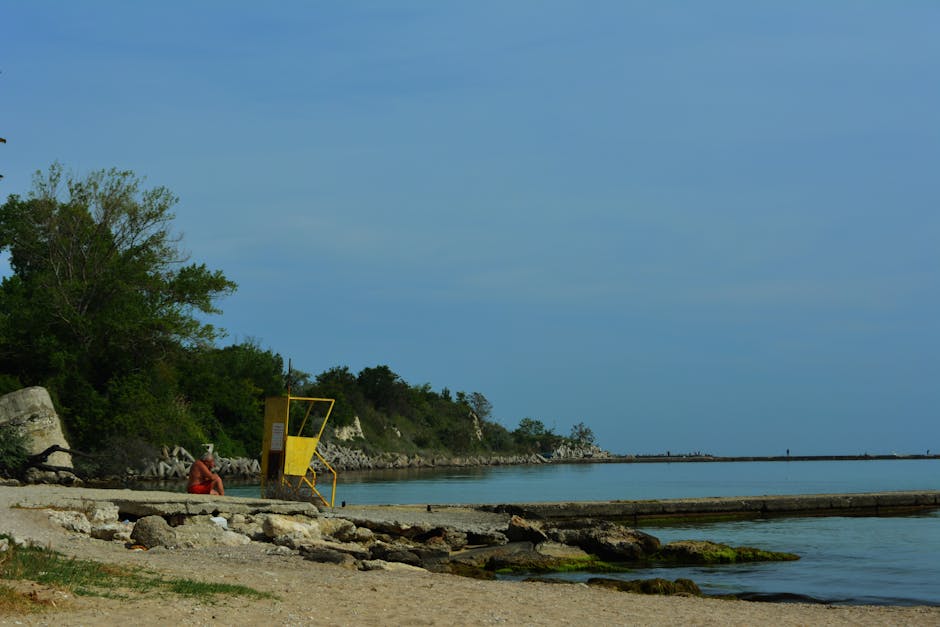
Located on a small peninsula along the Black Sea coast, Nesebar is a medieval town known for its well-preserved churches and UNESCO World Heritage status. It’s one of the most picturesque and cheap places to visit in Bulgaria, especially during the shoulder seasons (May–June and September–October). While summer can bring crowds, visiting outside peak months allows you to enjoy lower prices and a more relaxed atmosphere. Accommodation in guesthouses starts at €15 per night, and many beaches are free to access. Explore over 40 historic churches, stroll along the ancient city walls, and enjoy fresh seafood at local restaurants for under €10. Nesebar is easily accessible by bus from Burgas, which has a budget-friendly airport with flights from across Europe.
Rila Monastery: Spiritual Serenity in the Mountains
Nestled in the Rila Mountains, the Rila Monastery is one of Bulgaria’s most important religious and cultural sites. Founded in the 10th century, this UNESCO-listed monastery features stunning frescoes, a museum with religious artifacts, and peaceful courtyards surrounded by forested hills. The entrance fee is only €3, and guided tours are available at a low cost. To reach the monastery, take a bus from Sofia (about 2 hours) for under €5. There are several guesthouses and monasteries offering simple, affordable lodging for pilgrims and travelers. The surrounding Rila National Park offers free hiking trails, making it a perfect destination for nature lovers seeking tranquility without spending much.
Veliko Tarnovo: The Medieval Heart of Bulgaria
Once the capital of the Second Bulgarian Empire, Veliko Tarnovo is a historic city perched on three hills overlooking the Yantra River. Its most iconic landmark is Tsarevets Fortress, a medieval stronghold with panoramic views and a sound-and-light show in the evenings. Entry to the fortress costs around €4, and the nearby Patriarch’s Church and archaeological museum are also affordable. The old town is filled with artisan shops, cafes, and guesthouses where you can stay for as little as €10 per night. The city has a youthful vibe thanks to its university, and the local food scene offers hearty Bulgarian dishes at budget-friendly prices. Veliko Tarnovo is easily reachable by train or bus from Sofia and Ruse.
Affordable Activities and Experiences
Beyond sightseeing, Bulgaria offers countless low-cost activities that enrich your travel experience:
- Hiking in the Pirin, Rila, or Balkan Mountains—many trails are free and accessible year-round.
- Visiting local markets in cities like Plovdiv or Sofia for fresh produce, handmade crafts, and souvenirs at bargain prices.
- Enjoying traditional Bulgarian music and dance performances at cultural centers or open-air festivals, often free or donation-based.
- Relaxing in natural hot springs, such as those in Sapareva Banya near the Seven Rila Lakes, with entry fees under €5.
- Taking scenic train rides through the countryside, such as the route from Sofia to Bansko, which offers breathtaking views for less than €10.
Tips for Traveling on a Budget in Bulgaria
To make the most of your trip while keeping costs low, consider these practical tips:
Travel Off-Peak: Visit between late spring and early autumn (May to September) for the best weather and lower prices. Avoid July and August if you want to skip the crowds and high-season rates.
Use Public Transportation: Buses and trains are reliable, comfortable, and inexpensive. Intercity buses often cost less than €10 for journeys under 200 km. Purchase tickets in advance online for additional savings.
Stay in Guesthouses or Hostels: Family-run guesthouses (known as “pochivki”) offer clean, comfortable rooms at a fraction of hotel prices. Hostels are ideal for solo travelers and backpackers, with many offering private rooms as well.
Eat Like a Local: Avoid touristy restaurants and opt for mehanas (traditional taverns) or street food vendors. Try banitsa (cheese pastry), kebapche (grilled sausage), and tarator (cold cucumber soup)—all delicious and under €3.
Take Advantage of Free Attractions: Many churches, parks, and historical sites are free to enter. Sofia’s Borisova Gradina Park, Plovdiv’s Roman Stadium (visible from the street), and the beaches near Burgas are great examples.
Getting Around Bulgaria Affordably
Bulgaria’s transportation network is well-developed and budget-friendly. Domestic flights are rare and usually not cost-effective, so buses and trains are the preferred options. Companies like Balkan Bulgarian Express and Biomet offer comfortable long-distance bus services with online booking. Trains are slower but often cheaper, especially for scenic routes. For shorter trips, local buses and shared taxis (marshrutki) are widely available and cost as little as €1 per ride. Renting a car can be economical for groups, with daily rates starting around €20, but parking in cities can be challenging and costly.
When to Visit for the Best Deals
The best time to visit Bulgaria for budget travelers is during the shoulder seasons—late spring (May–June) and early autumn (September–October). During these months, the weather is pleasant, tourist sites are less crowded, and accommodation prices drop significantly. Winter is ideal for skiing in Bansko or Borovets, where lift passes and lodging can be surprisingly affordable compared to Alpine resorts. However, some rural areas may have limited services in winter, so plan accordingly.
Safety and Practical Considerations
Bulgaria is generally a safe country for travelers, with low crime rates and friendly locals. As with any destination, it’s wise to stay aware of your surroundings, especially in busy tourist areas. Tap water is safe to drink in most cities, and healthcare facilities are adequate, though travel insurance is recommended. English is widely spoken in tourist areas, but learning a few basic Bulgarian phrases can go a long way in enhancing your experience.
Final Thoughts: Discover Bulgaria Without Overspending
Bulgaria offers an exceptional travel experience that combines history, nature, culture, and affordability. Whether you’re exploring ancient ruins in Plovdiv, hiking in the Rila Mountains, or relaxing on a Black Sea beach, you’ll find that cheap places to visit in Bulgaria are not only possible but plentiful. With careful planning and a spirit of adventure, you can enjoy a rich and memorable journey without straining your budget. From its welcoming people to its delicious cuisine and stunning landscapes, Bulgaria proves that unforgettable travel doesn’t have to come with a high price tag.
FAQ
Q: Is Bulgaria safe for solo travelers?
A: Yes, Bulgaria is generally safe for solo travelers. Crime rates are low, and locals are known for their hospitality. As with any destination, it’s advisable to stay aware of your surroundings, especially at night and in crowded areas.
Q: Do I need a visa to visit Bulgaria?
A: Travelers from the EU, US, UK, Canada, and several other countries do not need a visa for stays up to 90 days within a 180-day period. However, starting in 2025, visitors from visa-exempt countries will need to register via the European Travel Information and Authorization System (ETIAS).
Q: What is the best way to pay for things in Bulgaria?
A: Credit and debit cards are widely accepted in cities and tourist areas, but it’s wise to carry some cash (Bulgarian lev) for smaller purchases, markets, and rural areas. ATMs are readily available, and currency exchange offices offer competitive rates.