Complete Guide to Dubai, UAE: Everything You Need to Know Before You Go
Complete Guide to Dubai, UAE: Everything You Need to Know Before You Go
Dubai, the glittering jewel of the United Arab Emirates, continues to captivate travelers from around the world with its futuristic skyline, luxury shopping, desert adventures, and rich cultural heritage. Whether you’re planning your first visit or returning for another taste of its dynamic energy, this Complete Guide to Dubai, UAE will equip you with all the essential information to make your trip seamless, enjoyable, and unforgettable. From visa requirements and transportation tips to must-see attractions and local customs, we’ve compiled a comprehensive resource tailored specifically for travelers seeking a professional yet practical overview of this iconic destination.
Why Visit Dubai?
Dubai stands out as one of the most visited cities in the world, and for good reason. It seamlessly blends modern innovation with traditional Emirati culture, offering something for every type of traveler. Whether you’re drawn to towering skyscrapers, world-class shopping malls, pristine beaches, or thrilling desert safaris, Dubai delivers an experience like no other.
The city is known for its year-round sunshine, making it an ideal destination for winter escapes or summer getaways (with proper heat precautions). Its strategic location between Europe, Asia, and Africa also makes it a convenient stopover or gateway for international travelers. With over 200 nationalities calling Dubai home, the city is a vibrant melting pot of cultures, cuisines, and lifestyles.
Best Time to Visit Dubai
Choosing the right time to visit can significantly impact your experience. The most favorable months are from November to March, when temperatures range from a comfortable 20°C to 30°C (68°F to 86°F). This is peak tourist season, so expect larger crowds and higher prices for flights and accommodations.
If you’re looking to save money and don’t mind the heat, consider visiting between April and October. While daytime temperatures can soar above 40°C (104°F), many indoor attractions, such as shopping malls, museums, and indoor ski slopes, remain accessible and air-conditioned. Just be sure to stay hydrated and limit outdoor activities during the hottest parts of the day.
Getting to Dubai
Dubai is served by two major international airports: Dubai International Airport (DXB) and Al Maktoum International Airport (DWC). DXB is the primary hub and one of the busiest airports in the world, handling over 86 million passengers annually. It offers direct flights from major cities across Europe, Asia, Africa, and the Americas.
Upon arrival, you can reach the city center via taxi, metro, or airport shuttle. The Dubai Metro is an efficient and affordable option, connecting the airport to key areas like Downtown Dubai, Business Bay, and Dubai Marina. Taxis are widely available and operate 24/7, with fixed rates from the airport to popular districts.
Visa Requirements and Entry Information
Most travelers can enter Dubai without a visa for short stays, thanks to the UAE’s visa exemption and on-arrival visa policies. Citizens of over 70 countries—including the United States, United Kingdom, Canada, Australia, and most EU nations—can obtain a visa on arrival for stays of up to 30 or 90 days, depending on nationality.
If you’re planning a longer stay or are from a country not eligible for visa-free entry, you’ll need to apply for a visa in advance through a UAE embassy or via a sponsor such as a hotel, tour operator, or employer. It’s recommended to check the latest visa regulations on the official UAE government website before traveling.
Getting Around Dubai
Dubai offers a modern and well-connected public transportation system, making it easy to explore the city without a car. The Dubai Metro, operated by the Roads and Transport Authority (RTA), runs on two main lines—Red and Green—and covers most major tourist areas. It’s clean, safe, and affordable, with fares starting at just AED 3 (about $0.80 USD).
In addition to the metro, Dubai has an extensive bus network, water taxis (abra), and a growing fleet of ride-hailing services like Uber and Careem. Taxis are also plentiful and can be hailed on the street, booked via app, or found at designated taxi stands.
For those who prefer more flexibility, renting a car is an option. However, keep in mind that traffic can be heavy during peak hours, and parking in central areas may be expensive. International driving permits are required for most foreign licenses.
Top Transportation Tips
- Use the Nol Card for seamless travel on metro, buses, and water taxis.
- Avoid driving during rush hours (7–9 AM and 5–7 PM) to save time and reduce stress.
- Download the RTA Dubai app for real-time transit updates and trip planning.
Where to Stay in Dubai
Dubai offers a wide range of accommodations to suit every budget and travel style. From opulent five-star resorts to budget-friendly hotels and serviced apartments, there’s no shortage of options.
Luxury travelers often flock to areas like Downtown Dubai, home to the Burj Khalifa and Dubai Mall, or Palm Jumeirah, known for its beachfront resorts and private villas. For a more laid-back vibe, consider Dubai Marina or Jumeirah Beach Residence (JBR), both offering stunning waterfront views and easy access to dining and entertainment.
Budget-conscious visitors will find excellent value in neighborhoods like Deira and Bur Dubai, which are rich in culture and close to traditional souks and historic sites. These areas also offer convenient access to public transportation.
Many hotels offer complimentary shuttle services to major attractions, so be sure to inquire when booking. Booking in advance—especially during peak season—is highly recommended to secure the best rates and availability.
Top Attractions and Things to Do
Dubai is packed with world-renowned attractions and unique experiences. Here are some must-see highlights:
Burj Khalifa and At the Top
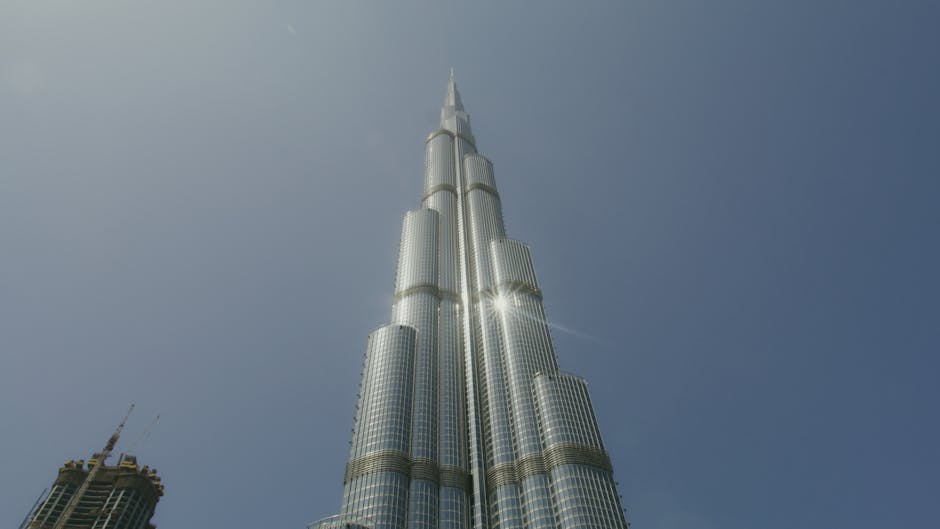
Standing at 828 meters, the Burj Khalifa is the tallest building in the world and a symbol of Dubai’s ambition. Visitors can take high-speed elevators to the observation decks on the 124th, 125th, and 148th floors for breathtaking panoramic views of the city, desert, and coastline. Sunset and nighttime visits are particularly magical.
Dubai Mall and Dubai Fountain
Adjacent to the Burj Khalifa, the Dubai Mall is one of the largest shopping centers globally, featuring over 1,200 retail stores, an indoor ice rink, an aquarium, and an Olympic-sized ice rink. Don’t miss the Dubai Fountain show, a choreographed water and light display set to music that runs every 30 minutes in the evening.
Desert Safari and Dune Bashing
No trip to Dubai is complete without experiencing the Arabian Desert. A desert safari typically includes dune bashing in a 4×4 vehicle, camel rides, sandboarding, and a traditional Bedouin-style dinner under the stars. Most tours depart in the late afternoon and return after sunset.
Palm Jumeirah and Atlantis The Palm
Shaped like a palm tree, Palm Jumeirah is an artificial island featuring luxury hotels, upscale residences, and pristine beaches. Atlantis The Palm is the island’s crown jewel, offering an underwater aquarium, waterpark, and fine dining. The iconic photo spot at the Palm’s crescent is a must for Instagram enthusiasts.
Dubai Creek and Al Fahidi Historical Neighbourhood
For a glimpse into Dubai’s past, visit the Dubai Creek, where traditional wooden dhows still sail between Deira and Bur Dubai. Cross the creek via an abra (water taxi) and explore the Al Fahidi Historical Neighbourhood, a restored heritage area with wind-tower architecture, art galleries, and museums.
Jumeirah Mosque
One of the most beautiful mosques in Dubai, Jumeirah Mosque is open to non-Muslim visitors through guided tours offered by the Sheikh Mohammed Centre for Cultural Understanding. It’s a great way to learn about Islamic culture and architecture.
Dining and Cuisine
Dubai’s culinary scene is as diverse as its population. From street food to Michelin-starred restaurants, the city offers an incredible variety of flavors from around the world.
Emirati cuisine features dishes like machboos (spiced rice with meat or fish), luqaimat (sweet dumplings), and camel meat. You can sample authentic local food at restaurants such as Al Fanar or during cultural experiences in the desert.
International options abound, with top-notch Indian, Lebanese, Japanese, Italian, and French restaurants available in every district. Don’t miss the food courts in malls like Dubai Mall and Mall of the Emirates, which offer everything from shawarma to sushi at affordable prices.
For a unique dining experience, book a table at a rooftop restaurant with views of the skyline or enjoy a traditional Emirati meal in a desert camp under the stars.
Shopping in Dubai
Dubai is a shopper’s paradise, known for its tax-free shopping and year-round sales. The city hosts two major shopping festivals: the Dubai Shopping Festival (DSF) in January–February and the Dubai Summer Surprises (DSS) in July–August, offering discounts, raffles, and entertainment.
Popular shopping destinations include:
- Dubai Mall – Luxury brands, electronics, and entertainment
- Mall of the Emirates – Ski Dubai and high-end fashion
- Gold Souk (Deira) – Jewelry and precious metals
- Spice Souk (Deira) – Traditional spices, perfumes, and herbs
- Textile Souk (Bur Dubai) – Fabrics, garments, and tailoring services
Bargaining is common in traditional souks but not expected in malls or branded stores. Always check for authenticity when purchasing high-value items like gold and electronics.
Cultural Etiquette and Local Customs
While Dubai is modern and cosmopolitan, it’s important to respect local customs and laws. The UAE is an Islamic country, and cultural sensitivity goes a long way in ensuring a positive experience.
Dress modestly when visiting religious sites, government buildings, or traditional neighborhoods. While beachwear is acceptable at pools and beaches, revealing clothing should be avoided in public areas.
Public displays of affection are frowned upon, and drinking alcohol is restricted to licensed venues such as hotels and bars. It’s illegal to drink in public or be intoxicated in a public place.
During the holy month of Ramadan, eating, drinking, and smoking in public during daylight hours is prohibited for everyone, including non-Muslims. Many restaurants remain closed during the day but offer special iftar meals after sunset.
Safety and Health in Dubai
Dubai is considered one of the safest cities in the world, with low crime rates and a strong police presence. However, it’s still wise to take standard precautions: keep your belongings secure, avoid isolated areas at night, and be cautious when using ride-hailing apps.
Healthcare in Dubai is excellent, with both public and private hospitals offering high-quality medical services. Travelers are advised to have comprehensive travel insurance that covers medical emergencies. Pharmacies are widely available, and many medications can be purchased over the counter.
Tap water is safe to drink, but many visitors prefer bottled water, especially during the hotter months. Stay hydrated and use sunscreen to protect against the strong desert sun.
Budgeting for Your Trip
Dubai can be as budget-friendly or luxurious as you make it. While it’s known for its high-end lifestyle, there are plenty of ways to enjoy the city without overspending.
Accommodation ranges from budget hotels starting at AED 150 ($40 USD) per night to luxury suites exceeding AED 2,000 ($540 USD). Public transportation is affordable, and many attractions—like public beaches, parks, and souks—are free to visit.
To save money, consider eating at local cafes and food courts, using the metro instead of taxis, and booking tours and activities in advance online for discounts. Many hotels also offer complimentary breakfast, which can help reduce daily expenses.
Final Tips for a Smooth Trip
To make the most of your visit, keep these practical tips in mind:
- Download essential apps like Careem, Uber, RTA Dubai, and Google Maps.
- Carry a copy of your passport and visa at all times.
- Use ATMs in malls or banks to avoid high fees; most accept international cards.
- Respect local laws—drug offenses, even for small amounts, carry severe penalties.
- Stay connected with a local SIM card from providers like Etisalat or du (available at the airport).
Complete Guide to Dubai, UAE: Your Journey Starts Here
Dubai is more than just a city of skyscrapers and shopping—it’s a dynamic, forward-thinking destination that welcomes millions of visitors each year with open arms. Whether you’re seeking adventure, relaxation, culture, or luxury, this Complete Guide to Dubai, UAE has provided you with the tools and knowledge to plan a trip that’s both enriching and enjoyable.
From navigating transportation and understanding local customs to discovering hidden gems beyond the tourist trail, Dubai rewards those who come prepared. With its blend of tradition and innovation, it’s a destination that continues to evolve—and one that promises an unforgettable experience for every traveler.
FAQ
Do I need a visa to visit Dubai?
Most travelers from countries like the US, UK, Canada, and EU nations can enter Dubai visa-free or obtain a visa on arrival for stays up to 30 or 90 days. Check the official UAE government website for the latest requirements based on your nationality.
Is Dubai safe for tourists?
Yes, Dubai is considered very safe for tourists. It has low crime rates and a strong police presence. However, standard travel precautions—such as safeguarding your belongings and avoiding isolated areas at night—are still recommended.
What is the best way to get around Dubai?
The Dubai Metro is the most efficient and affordable way to travel, especially for tourists. Taxis, ride-hailing apps, and buses are also widely available. For convenience, consider getting a Nol Card for seamless access to public transport.