
Top Attractions in Athens, Greece: A Complete Travel Guide
Top Attractions in Athens, Greece: A Complete Travel Guide
Athens, the historic capital of Greece, is a city where ancient history and modern culture blend seamlessly. As one of the world’s oldest cities, it offers travelers a unique journey through time, from the iconic Acropolis to lively neighborhoods filled with art, food, and music. Whether you’re a history buff, a culture enthusiast, or simply looking to soak in the Mediterranean atmosphere, the top attractions in Athens, Greece promise an unforgettable experience. This guide will walk you through the must-see landmarks, hidden gems, and practical tips to help you make the most of your visit.
Why Visit Athens?
Athens is more than just a gateway to Greece’s famous islands—it’s a destination in its own right. With over 3,000 years of history, the city is home to some of the most significant archaeological sites in the world. Beyond its ancient wonders, Athens boasts a dynamic contemporary scene, with world-class museums, innovative restaurants, and a thriving arts community. The city’s compact size makes it easy to explore on foot, and its efficient public transportation system connects visitors to all major sites.
From sunrise at the Acropolis to sunset views from Lycabettus Hill, Athens offers a rich tapestry of experiences. Whether you’re strolling through the Plaka district, sampling street food in Monastiraki, or admiring Byzantine churches in Anafiotika, every corner of the city tells a story.
Must-See Historical Landmarks
No trip to Athens is complete without visiting its legendary historical sites. These landmarks not only showcase the city’s ancient glory but also provide insight into the foundations of Western civilization.
The Acropolis and Parthenon
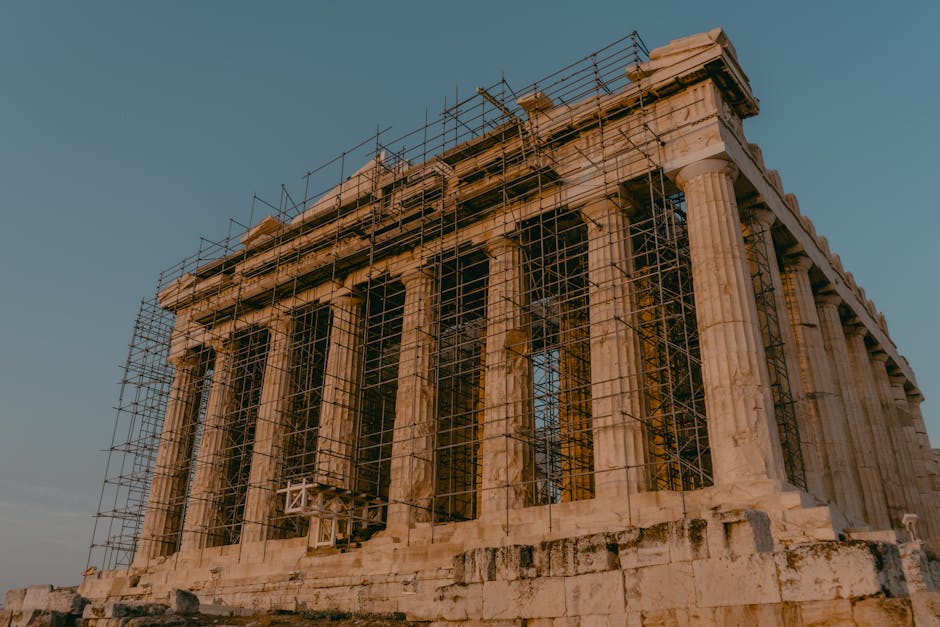
The crown jewel of Athens, the Acropolis, stands proudly atop a rocky outcrop overlooking the city. This ancient citadel is home to several iconic structures, with the Parthenon being the most famous. Built in the 5th century BCE, the Parthenon was dedicated to the goddess Athena and remains a symbol of classical Greek architecture.
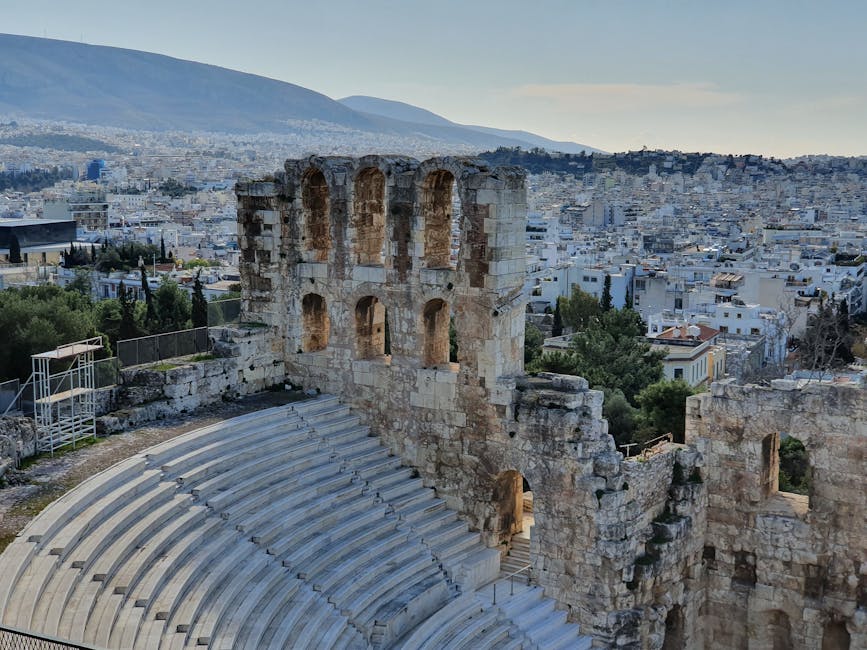
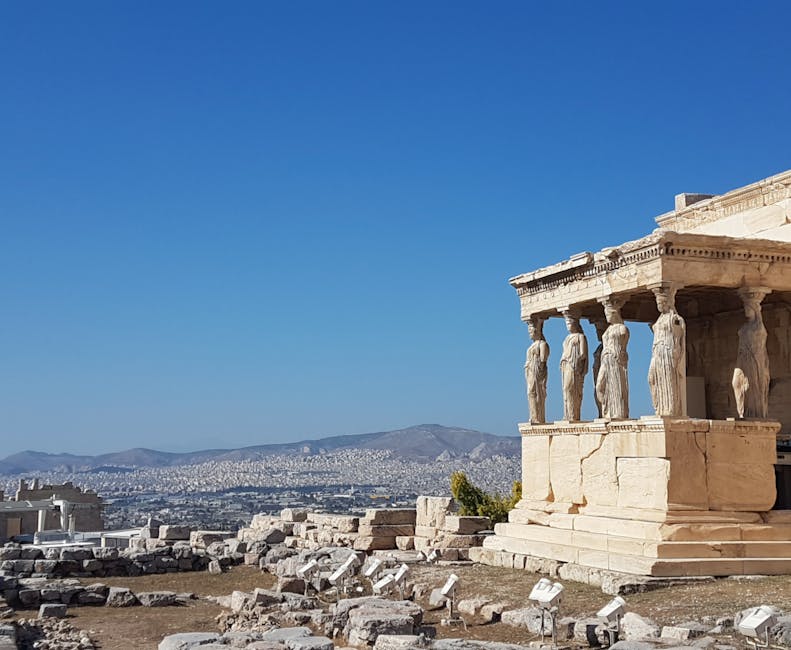
Visitors can explore the Propylaea (the grand entrance), the Erechtheion with its famous Caryatids, and the Temple of Athena Nike. The site offers panoramic views of Athens, especially stunning during golden hour. To avoid crowds, arrive early in the morning or consider visiting in the late afternoon.
Ancient Agora
Just northwest of the Acropolis lies the Ancient Agora, the heart of political, commercial, and social life in classical Athens. This sprawling archaeological site was once the center of democratic debate and philosophical discussion. Highlights include the Temple of Hephaestus—one of the best-preserved ancient Greek temples—and the Stoa of Attalos, now a museum showcasing artifacts from the site.
Walking through the Agora, you can almost hear the echoes of Socrates and Plato engaging in dialogue. Informational signs and guided tours help bring the history to life, making it a fascinating stop for history lovers.
Roman Forum and Tower of the Winds
Located in the heart of modern Athens, the Roman Forum was built during the reign of Emperor Augustus. It served as the city’s main marketplace and administrative center during Roman rule. The most striking feature is the Tower of the Winds, an octagonal marble clocktower that functioned as a timepiece using water, wind, and celestial movements.
This site offers a quieter, less crowded alternative to the Acropolis while still providing a deep dive into Athens’ layered past. It’s conveniently located near Monastiraki Square, making it easy to combine with other nearby attractions.
Museums and Cultural Institutions
Athens is home to some of the world’s most important museums, many of which house priceless artifacts from ancient Greece. These institutions provide context and depth to the city’s archaeological sites.
Acropolis Museum
The Acropolis Museum is a modern, state-of-the-art facility located just a short walk from the Acropolis. It houses thousands of artifacts excavated from the sacred rock, including sculptures, pottery, and architectural fragments. The museum’s glass floor allows visitors to see ongoing archaeological excavations beneath the building.
One of the museum’s most notable exhibits is the Parthenon Gallery, where original friezes are displayed in a way that mirrors their original placement on the temple. The museum also offers interactive displays and multimedia presentations, making it engaging for visitors of all ages.
National Archaeological Museum
As Greece’s largest and most important archaeological museum, the National Archaeological Museum is a treasure trove of ancient artifacts. Its extensive collection spans prehistoric, classical, and Hellenistic periods, with highlights including the Antikythera mechanism, gold funeral masks from Mycenae, and the Artemision Bronze statue of Zeus or Poseidon.
The museum is housed in a grand 19th-century building and requires several hours to explore fully. It’s ideal for travelers who want to dive deep into Greek history beyond the major sites.
Benaki Museum
For a broader perspective on Greek culture, the Benaki Museum offers a diverse collection that spans from antiquity to the modern era. Located in a historic mansion in central Athens, the museum features Greek art, folk traditions, Islamic art, and even Chinese ceramics.
The Benaki Museum also hosts rotating exhibitions and cultural events, making it a dynamic space for both locals and tourists. Its café and garden provide a peaceful retreat in the bustling city.
Vibrant Neighborhoods to Explore
Beyond its ancient sites, Athens is a city of vibrant neighborhoods, each with its own character and charm. These districts offer a glimpse into daily life, local cuisine, and contemporary culture.
Plaka
Often called the “Neighborhood of the Gods,” Plaka is the oldest residential area in Athens. Nestled beneath the Acropolis, it features narrow cobblestone streets, neoclassical houses, and charming squares. Plaka is perfect for leisurely strolls, boutique shopping, and enjoying traditional Greek tavernas.
Don’t miss Anafiotika, a hidden enclave within Plaka that resembles a Cycladic village, with whitewashed houses and flowering bougainvillea. It’s a peaceful escape from the city’s hustle and bustle.
Monastiraki and Psyrri
Monastiraki is a bustling hub known for its flea market, street food, and eclectic mix of shops. Every Sunday, the market comes alive with vendors selling antiques, souvenirs, and handmade goods. It’s a great place to pick up unique mementos and experience local commerce.
Adjacent to Monastiraki, Psyrri is a trendy neighborhood that transforms from a quiet residential area by day to a lively nightlife destination by night. It’s filled with bars, live music venues, and authentic Greek restaurants. The area is also home to several small art galleries and independent boutiques.
Kolonaki
For a more upscale experience, head to Kolonaki, Athens’ chic district. Located at the foot of Lycabettus Hill, it’s known for its designer boutiques, art galleries, and sophisticated cafes. The area attracts a stylish crowd and offers a glimpse into the city’s modern, cosmopolitan side.
Kolonaki is also home to the Goulandris Museum of Cycladic Art, which features a stunning collection of ancient Cycladic figurines and contemporary art. The museum’s minimalist design and thoughtful curation make it a must-visit for art lovers.
Natural and Scenic Spots
Athens isn’t just about ancient ruins and urban energy—it also offers beautiful natural spaces where visitors can relax and enjoy panoramic views.
Lycabettus Hill
Lycabettus Hill is the highest point in central Athens, rising 278 meters above the city. It’s accessible by foot via a winding path or by a funicular railway. At the summit, visitors are rewarded with 360-degree views of Athens, the Saronic Gulf, and the surrounding mountains.
The hill is especially popular at sunset, when the city lights begin to twinkle below. There’s also a small chapel, Saint George’s, and a café at the top, making it a perfect spot for a romantic evening or a quiet moment of reflection.
National Garden
Adjacent to Syntagma Square, the National Garden is a lush oasis in the heart of the city. Originally designed in the 19th century, it spans 15.5 hectares and features walking paths, fountains, a small zoo, and a botanical garden.
The garden is a favorite among locals for morning jogs, afternoon picnics, and family outings. It’s also home to the Zappeion Hall, a neoclassical building often used for exhibitions and events. The garden’s shaded areas and peaceful atmosphere provide a welcome respite from the urban environment.
Top Attractions in Athens, Greece: A Quick Reference
To help you plan your itinerary, here’s a concise list of the top attractions in Athens, Greece:
- The Acropolis and Parthenon
- Ancient Agora
- Roman Forum and Tower of the Winds
- Acropolis Museum
- National Archaeological Museum
- Benaki Museum
- Plaka and Anafiotika
- Monastiraki and Psyrri
- Kolonaki and Goulandris Museum
- Lycabettus Hill
- National Garden
Practical Tips for Travelers
To make the most of your trip to Athens, keep these practical tips in mind:
Best Time to Visit: Spring (April to June) and fall (September to October) offer pleasant weather and fewer crowds. Summer can be hot and busy, while winter is mild but sees more rain.
Transportation: Athens has an efficient public transportation system, including metro, buses, and trams. A multi-day travel card is cost-effective for frequent use. The metro stations near major attractions often feature archaeological displays.
Entry Tickets: Consider purchasing a combined ticket for the Acropolis and other archaeological sites, which offers savings and skip-the-line access. Many museums offer free admission on certain days or for EU citizens under 25.
Dining: Try local specialties like souvlaki, spanakopita, and Greek salad. For a unique experience, visit a traditional taverna in Plaka or Psyrri. Don’t forget to sample Greek coffee and baklava.
Safety: Athens is generally safe for tourists, but be mindful of pickpockets in crowded areas like Monastiraki and the metro. Keep your belongings secure and avoid poorly lit streets at night.
Conclusion
Athens is a city of contrasts—where ancient temples stand alongside modern cafes, and history lives in the rhythm of daily life. The top attractions in Athens, Greece offer something for every traveler, from awe-inspiring ruins to vibrant neighborhoods and serene green spaces. Whether you’re exploring the Acropolis at dawn or sipping wine on a rooftop bar with a view of the illuminated Parthenon, Athens promises a journey filled with discovery and wonder.
With its rich heritage, warm hospitality, and dynamic culture, Athens continues to captivate visitors from around the world. Plan your visit with this guide, and you’ll be well on your way to experiencing the very best of the Greek capital.
Frequently Asked Questions
What is the best way to get around Athens?
The most convenient way to get around Athens is by using the metro, which connects major attractions, neighborhoods, and transportation hubs. Buses and trams are also available, and walking is ideal for exploring central districts like Plaka and Monastiraki.
Do I need to book tickets in advance for the Acropolis?
While not always required, booking tickets online in advance is highly recommended, especially during peak season (June to August). This helps you skip long lines and ensures entry during your preferred time slot.
Is Athens safe for solo travelers?
Yes, Athens is generally safe for solo travelers. Like any major city, it’s important to stay aware of your surroundings, especially in crowded areas. Stick to well-lit, busy streets at night and keep your belongings secure.