
Top Attractions in Great Barrier Reef, Australia: A Complete Travel Guide
Top Attractions in Great Barrier Reef, Australia: A Complete Travel Guide
Stretching over 2,300 kilometers along the Queensland coast, the Great Barrier Reef is one of the most spectacular natural wonders on Earth. As the world’s largest coral reef system, it’s home to an incredible diversity of marine life, vibrant coral formations, and some of the most sought-after underwater experiences available anywhere. Whether you’re a seasoned diver, a snorkeling enthusiast, or a nature lover seeking awe-inspiring views from above, the Top Attractions in Great Barrier Reef, Australia offer something unforgettable for every traveler. From pristine islands and remote coral cays to world-class marine parks and eco-friendly tours, this guide will help you discover the best places to visit and experiences to enjoy on your journey to this UNESCO World Heritage Site.
Why Visit the Great Barrier Reef?
The Great Barrier Reef isn’t just a destination—it’s a living, breathing ecosystem that supports thousands of species of fish, corals, mollusks, and marine mammals. It’s also a vital part of Australia’s natural heritage and a cornerstone of the country’s tourism industry. Visitors come from around the globe to witness its beauty firsthand, whether through a glass-bottom boat tour, a helicopter flight over the reef, or a scuba dive into its crystal-clear waters.
Beyond its ecological significance, the reef offers unparalleled adventure and relaxation. You can swim alongside sea turtles, glide over rainbow-colored coral gardens, or unwind on secluded white-sand beaches. With so many ways to experience the reef, planning your trip around the top attractions ensures you make the most of your time in this marine paradise.
Top Attractions in Great Barrier Reef, Australia
With over 2,900 individual reefs and 900 islands, the Great Barrier Reef is vast and diverse. To help you navigate this underwater wonderland, we’ve curated a list of the most iconic and rewarding attractions. These sites stand out for their natural beauty, accessibility, and the quality of experiences they offer.
1. Heart Reef
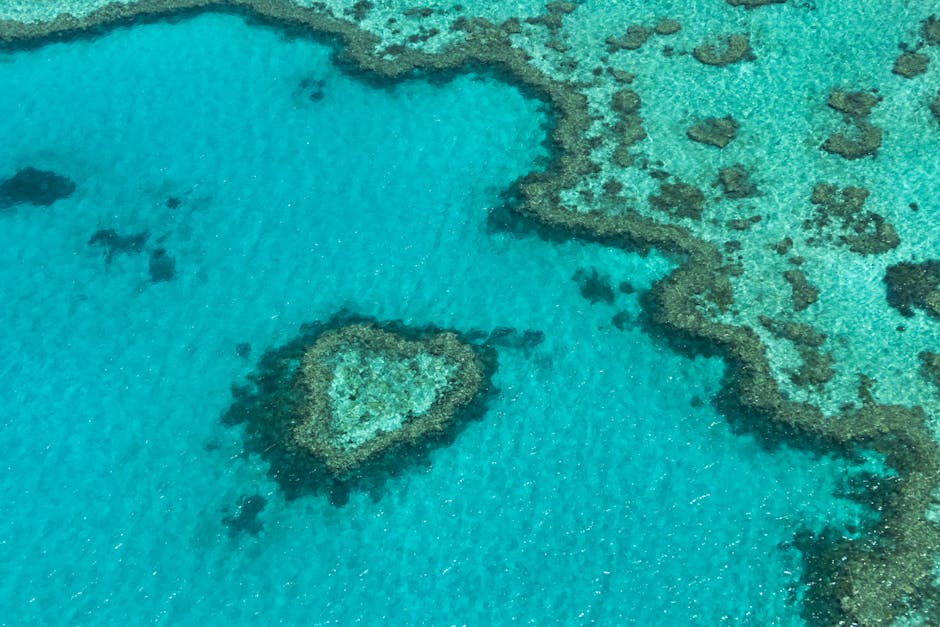
Perhaps the most photographed site in the entire reef system, Heart Reef is a naturally formed coral formation shaped like a heart. Located in the northern section of the Great Barrier Reef, it’s best viewed from the air. Many tour operators offer scenic helicopter or seaplane flights that soar over this romantic landmark, providing breathtaking aerial perspectives. While you can’t snorkel or dive directly at Heart Reef due to conservation efforts, the aerial tour is a must-do for photographers and couples alike.
2. Agincourt Reef
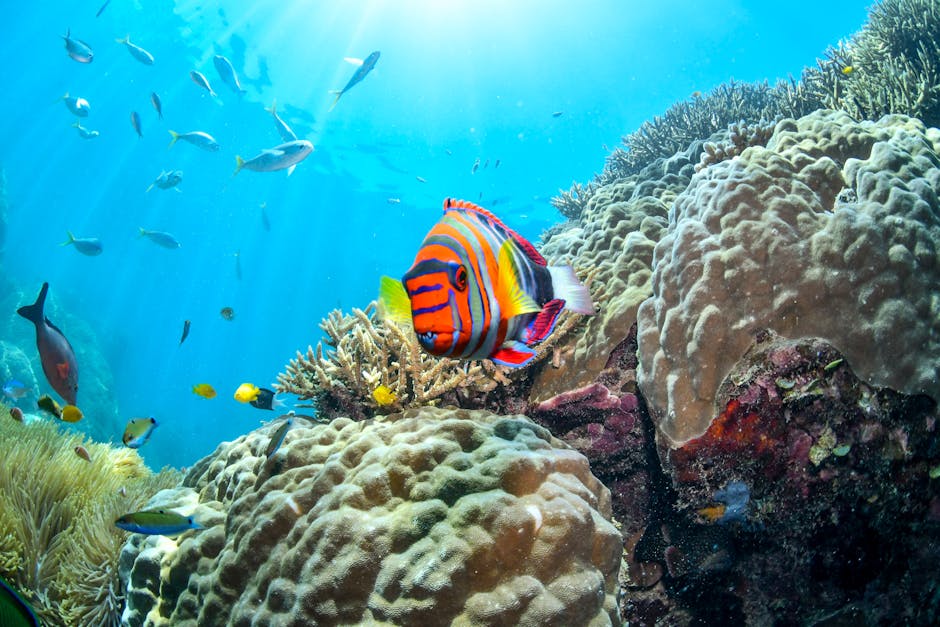
Situated on the outer edge of the reef, Agincourt Reef is renowned for its clear waters, vibrant coral gardens, and abundant marine life. This area is a favorite among divers and snorkelers, offering easy access from Port Douglas. The reef’s depth varies, making it suitable for both beginners and advanced underwater explorers. Expect to see giant clams, reef sharks, parrotfish, and even the occasional manta ray gliding through the currents.
3. Green Island
Just a 45-minute boat ride from Cairns, Green Island is a tropical paradise that combines lush rainforest with coral reefs. This 12-hectare coral cay is one of the most accessible attractions in the Great Barrier Reef, making it ideal for families and first-time visitors. You can explore the island’s walking trails, relax on the beach, or take a glass-bottom boat tour to see the reef without getting wet. For a more immersive experience, try snorkeling right off the shore or book a semi-submersible tour.
4. Fitzroy Island
A short ferry ride from Cairns, Fitzroy Island offers a perfect blend of adventure and tranquility. The island features a national park with hiking trails that lead to panoramic viewpoints, as well as a stunning coral reef just meters from the shore. The island’s main beach, Nudey Beach, is often ranked among Australia’s best beaches for its powdery white sand and clear turquoise waters. Snorkeling here is exceptional, with coral bommies and tropical fish visible from the surface. Overnight stays are available at the island’s eco-resort, allowing you to experience the reef at sunrise and sunset.
5. Ribbon Reefs
Located in the northern section of the reef, the Ribbon Reefs are a chain of ten long, narrow reefs known for their dramatic drop-offs and rich biodiversity. This remote area is a hotspot for liveaboard diving expeditions, offering some of the best underwater visibility in the world. Divers can explore underwater canyons, swim-throughs, and coral walls teeming with marine life, including barracuda, tuna, and reef sharks. The Ribbon Reefs are also a prime location for spotting dwarf minke whales between June and August.
6. Lady Elliot Island
At the southern tip of the Great Barrier Reef, Lady Elliot Island is a pristine eco-sanctuary accessible only by light aircraft. This coral cay is a haven for eco-tourists and marine enthusiasts, with a strong focus on sustainability and conservation. The island offers world-class snorkeling and diving, with frequent sightings of manta rays, sea turtles, and humpback whales (during migration season). The resort on the island operates on renewable energy and limits guest numbers to protect the environment, making it a model for responsible tourism.
Best Ways to Experience the Reef
There’s no single way to explore the Great Barrier Reef—your experience will depend on your interests, budget, and comfort level in the water. Here are some of the most popular and effective ways to enjoy this natural wonder:
- Snorkeling: Ideal for beginners and families, snorkeling allows you to float on the surface and observe the reef’s vibrant colors and marine life. Many tours provide all necessary equipment and guided experiences.
- Scuba Diving: For a deeper connection with the reef, scuba diving offers access to underwater caves, coral gardens, and deeper marine species. Certified divers can join guided dives, while beginners can try introductory dives with instructors.
- Glass-Bottom Boat Tours: Perfect for non-swimmers or those who prefer to stay dry, these tours use transparent hulls to offer clear views of the reef below.
- Semi-Submersibles: These underwater vessels allow passengers to sit below the surface and view the reef through large windows, combining comfort with immersive sightseeing.
- Helicopter or Seaplane Flights: For a bird’s-eye view of the reef’s vastness and iconic formations like Heart Reef, aerial tours are unforgettable.
- Liveaboard Trips: Multi-day boat expeditions let you explore remote sections of the reef, often including multiple dives, meals, and accommodations onboard.
When to Visit the Great Barrier Reef
The best time to visit the Great Barrier Reef is during the Australian dry season, from June to October. During these months, the weather is warm and sunny, with low humidity and minimal rainfall. Water visibility is at its peak, making it ideal for snorkeling and diving. This period also coincides with the whale migration season, offering opportunities to see humpback and dwarf minke whales.
Avoid the wet season (November to March) if possible, as this is when tropical cyclones, heavy rains, and stinger season (box jellyfish) are more common. While the reef remains open year-round, conditions may be less predictable, and some tours may be canceled due to weather.
Conservation and Responsible Tourism
The Great Barrier Reef faces significant environmental challenges, including coral bleaching, climate change, and pollution. As a visitor, you can help protect this fragile ecosystem by choosing eco-certified tour operators, avoiding touching or stepping on coral, and using reef-safe sunscreen. Many tour companies now contribute to reef restoration projects and educate guests about sustainable practices.
Supporting local conservation initiatives and respecting marine life guidelines ensures that future generations can continue to enjoy the Top Attractions in Great Barrier Reef, Australia. Responsible travel isn’t just good ethics—it’s essential for preserving one of the planet’s most extraordinary natural treasures.
Planning Your Trip: Tips and Recommendations
To make the most of your visit, consider the following tips:
- Book tours in advance, especially during peak season (June–October), as popular operators fill up quickly.
- Choose a departure point based on your interests: Cairns and Port Douglas are great for accessibility and variety, while the Whitsunday Islands offer a more secluded experience.
- Pack light but include essentials like a rash guard, waterproof bag, and underwater camera.
- Check your travel insurance to ensure it covers water activities and medical evacuation if needed.
- Stay hydrated and apply reef-safe sunscreen regularly to protect both your skin and the coral.
FAQ
Q: Do I need to know how to swim to visit the Great Barrier Reef?
A: No, you don’t need to know how to swim. Many tours offer glass-bottom boat rides, semi-submersibles, and guided snorkeling with flotation devices. Always inform your tour operator of your comfort level in the water.
Q: Is it safe to visit the Great Barrier Reef?
A: Yes, it is generally safe. Tour operators follow strict safety protocols, and guides are trained to assist visitors. During stinger season (November–May), stinger suits are provided to protect against jellyfish.
Q: Can I visit the Great Barrier Reef on a budget?
A: Absolutely. Day trips from Cairns or Port Douglas can be affordable, especially if you book in advance or choose group tours. Look for combo deals that include snorkeling, meals, and transport.



![TOP 10 Things to do in TOKYO, Japan [2023 Travel Guide]](https://www.vacayjet.com/wp-content/uploads/2024/03/1709283228_maxresdefault-768x432.jpg)