Top Castles to Visit in Germany: A Journey Through History and Grandeur
Top Castles to Visit in Germany: A Journey Through History and Grandeur
Germany is a country steeped in history, culture, and architectural splendor, and nowhere is this more evident than in its breathtaking castles. From dramatic hilltop fortresses to romantic riverside palaces, the top castles to visit in Germany offer travelers a unique window into the nation’s royal past, medieval warfare, and artistic heritage. Whether you’re a history buff, a photography enthusiast, or simply seeking a picturesque getaway, Germany’s castles provide unforgettable experiences. This guide highlights the most iconic and awe-inspiring castles across the country, offering practical tips and insights to help you plan your perfect castle-hopping adventure.
Why Germany’s Castles Are Worth Exploring
Germany is home to over 20,000 castles, many of which date back to the Middle Ages or the Renaissance. These structures were not only centers of power and defense but also symbols of wealth, influence, and artistic achievement. Today, many of these castles have been meticulously restored and transformed into museums, hotels, or event venues, allowing visitors to step back in time and immerse themselves in centuries of European history.
The diversity of German castles is remarkable. Some, like Neuschwanstein, are romanticized fairy-tale structures that inspired Disney’s Sleeping Beauty Castle. Others, such as Burg Eltz, remain privately owned and remarkably preserved, offering an authentic glimpse into noble life. From the Rhine Valley’s cliffside fortresses to Bavaria’s alpine palaces, each castle tells a unique story shaped by war, religion, politics, and art.
Top Castles to Visit in Germany
While Germany boasts countless castles, a handful stand out for their historical significance, architectural beauty, and visitor accessibility. Below are some of the most remarkable castles that should be on every traveler’s itinerary.
1. Neuschwanstein Castle – Bavaria’s Fairytale Masterpiece
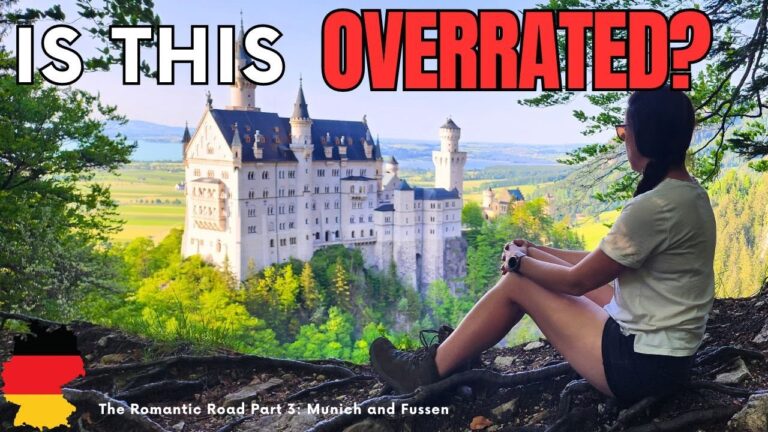
Perched dramatically on a rugged hill in the Bavarian Alps, Neuschwanstein Castle is perhaps the most famous castle in the world. Commissioned by King Ludwig II in the 19th century, this Romanesque Revival palace was designed to be a personal refuge and a tribute to the operas of Richard Wagner. Its ornate interiors, towering turrets, and panoramic mountain views have made it a global icon.
Visitors can tour the castle’s lavishly decorated rooms, including the Throne Room, Singer’s Hall, and the artificial grotto. The nearby Marienbrücke (Mary’s Bridge) offers one of the most photographed views of the castle, especially at sunrise or in winter. Due to its popularity, advance ticket booking is strongly recommended.
2. Hohenzollern Castle – The Ancestral Seat of Prussian Kings
Located atop Mount Hohenzollern in Baden-Württemberg, this striking castle is the ancestral seat of the Prussian royal family and the German imperial house. Rebuilt in the 19th century in the Gothic Revival style, the castle dominates the surrounding landscape with its imposing silhouette and commanding views.
Inside, visitors can explore royal artifacts, including the crown jewels of Prussia and personal belongings of Frederick the Great. The castle also hosts special events, such as medieval festivals and Christmas markets, adding to its cultural appeal. A visit here offers a deep dive into the legacy of one of Europe’s most influential dynasties.
3. Burg Eltz – A Medieval Gem in the Moselle Valley
Tucked away in a secluded forest near the Moselle River, Burg Eltz is one of the best-preserved medieval castles in Germany. Unlike many other castles, it has remained in the same family for over 850 years and has never been destroyed or significantly altered. This makes it an authentic time capsule of medieval life.
The castle features original furnishings, weaponry, and tapestries, giving visitors a rare look at how nobility lived centuries ago. Guided tours are available in multiple languages, and the surrounding hiking trails offer scenic views of the castle nestled among the trees. Its remote location adds to its charm, making it a peaceful escape from busier tourist sites.
4. Heidelberg Castle – Ruins with a Romantic Past
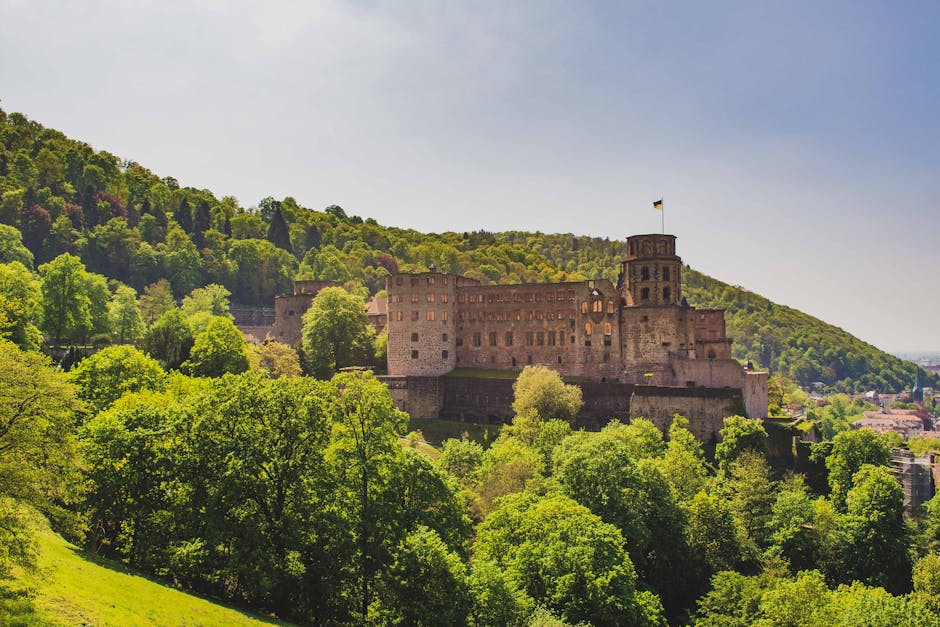
Overlooking the charming city of Heidelberg and the Neckar River, Heidelberg Castle is a romantic ruin that blends Renaissance and Gothic architecture. Though partially destroyed by fire and lightning strikes, the castle’s grandeur remains evident in its towering gateways, ornate courtyards, and the massive Heidelberg Tun—a wine barrel that once held over 200,000 liters.
Visitors can explore the castle’s restored rooms, climb the Friedrich Tower for panoramic views, and stroll through the castle gardens. The site also hosts open-air theater performances and seasonal events, making it a cultural hub. Its proximity to Heidelberg’s old town makes it an easy day trip for travelers exploring the region.
5. Wartburg Castle – A UNESCO World Heritage Site
Perched above the town of Eisenach in Thuringia, Wartburg Castle is a UNESCO World Heritage Site renowned for its historical and cultural significance. Built in the 11th century, it played a pivotal role in German history, serving as a refuge for Martin Luther during the Reformation. It was here that Luther translated the New Testament into German, laying the foundation for the modern German language.
The castle’s Romanesque architecture and well-preserved interiors offer a fascinating journey through medieval and Reformation-era history. Highlights include the Luther Room, the Great Hall, and the Knights’ Hall. Wartburg also hosts concerts and exhibitions, blending history with contemporary culture.
6. Marksburg Castle – The Only Unfortified Hill Castle on the Rhine
Standing proudly above the Rhine River near Braubach, Marksburg Castle is the only hill castle on the Rhine that has never been destroyed. Its strategic location made it a key defensive stronghold, and today it serves as a museum dedicated to castle life and medieval warfare.
Visitors can explore the castle’s armory, kitchen, and living quarters, gaining insight into the daily routines of its inhabitants. The castle also features a working drawbridge, a moat, and a chapel, all preserved in their original state. Its proximity to other Rhine castles, such as Stolzenfels and Rheinfels, makes it ideal for a castle-hopping tour along the river.
Tips for Visiting Germany’s Castles
To make the most of your castle visits, consider the following practical tips:
- Book tickets in advance: Popular castles like Neuschwanstein and Hohenzollern often sell out, especially during peak seasons. Online reservations are recommended.
- Check opening hours: Many castles have seasonal schedules, with shorter hours in winter. Some may close on Mondays or public holidays.
- Wear comfortable shoes: Castle tours often involve walking on uneven terrain, climbing stairs, and exploring outdoor grounds.
- Take guided tours: Most castles offer informative guided tours that provide historical context and access to restricted areas.
- Combine with regional exploration: Many castles are located near charming towns, vineyards, or hiking trails. Plan a full day to enjoy the surrounding area.
Best Regions for Castle Hopping
Germany’s castles are spread across various regions, each offering a distinct experience. The Rhine Valley is famous for its dense concentration of medieval castles, many perched on steep cliffs overlooking the river. The Bavarian Alps are home to romantic palaces like Neuschwanstein and Linderhof, set against dramatic mountain backdrops. The Moselle Valley offers a quieter, more intimate castle experience, with Burg Eltz and Cochem Castle as standout destinations.
For history enthusiasts, Thuringia and Baden-Württemberg provide access to well-preserved fortresses and royal residences. Meanwhile, Baden and the Palatinate regions boast wine-growing landscapes dotted with hilltop castles, perfect for combining cultural exploration with culinary delights.
Seasonal Highlights and Events
Germany’s castles come alive throughout the year with seasonal events and festivals. In spring and summer, many castles host open-air concerts, medieval reenactments, and garden tours. Autumn brings harvest festivals and wine tastings, especially in regions like the Moselle and Rheingau. Winter transforms castles into magical settings, with Christmas markets, candlelit tours, and festive decorations.
For example, Neuschwanstein hosts a summer music festival, while Heidelberg Castle features a spectacular fireworks display during its annual castle festival. These events offer unique ways to experience the castles beyond standard tours, adding cultural depth to your visit.
Accessibility and Family-Friendly Options
Many of Germany’s top castles are accessible to visitors with mobility challenges, though terrain and historic architecture can present limitations. Castles like Heidelberg and Wartburg offer wheelchair-friendly routes and elevators, while others provide detailed accessibility information on their websites. Families will find interactive exhibits, children’s trails, and educational programs at several sites, making them engaging destinations for all ages.
Some castles, such as Burg Eltz and Marksburg, offer family tickets and audio guides tailored to younger audiences. Additionally, nearby visitor centers often feature hands-on activities, such as medieval craft workshops or treasure hunts, enhancing the educational value of the trip.
Conclusion
Exploring the top castles to visit in Germany is more than a sightseeing tour—it’s a journey through centuries of European history, art, and legend. From the fairy-tale spires of Neuschwanstein to the rugged authenticity of Burg Eltz, each castle offers a unique story and a chance to connect with the past. Whether you’re drawn by architecture, history, or simply the romance of ancient stone walls, Germany’s castles promise unforgettable experiences.
Plan your visit with care, respect the preservation efforts that keep these treasures alive, and take time to savor the landscapes and cultures that surround them. With so much to see and discover, Germany’s castles are not just destinations—they are gateways to a richer understanding of the world we inherit.
FAQ
Q: What is the most visited castle in Germany?
A: Neuschwanstein Castle is the most visited castle in Germany, attracting over 1.5 million visitors annually. Its fairy-tale appearance and association with Disney have made it a global icon.
Q: Are German castles open year-round?
A: Most castles are open year-round, though hours may be reduced in winter. Some, like Neuschwanstein, operate on seasonal schedules, so it’s best to check official websites before visiting.
Q: Can I stay overnight in a German castle?
A: Yes, several castles have been converted into hotels or offer guest accommodations. Examples include Schlosshotel Kronberg and Burg Satzvey. These stays provide a unique opportunity to experience castle life firsthand.