Top Scenic Spots in Banff National Park, Canada
Top Scenic Spots in Banff National Park, Canada
Banff National Park, nestled in the heart of the Canadian Rockies, is one of the most breathtaking natural destinations in the world. As Canada’s first national park and a UNESCO World Heritage Site, it offers an unparalleled blend of rugged mountain peaks, turquoise glacial lakes, dense pine forests, and abundant wildlife. Whether you’re an avid hiker, a photography enthusiast, or simply seeking serene natural beauty, the park delivers unforgettable experiences. This guide explores the Top Scenic Spots in Banff National Park, Canada, helping you plan a trip that captures the very best of this iconic wilderness.
Why Visit Banff National Park?
Established in 1885, Banff National Park spans over 6,641 square kilometers of pristine alpine terrain. Located in Alberta, it serves as the gateway to the Canadian Rockies and is easily accessible from Calgary via the scenic Icefields Parkway. The park is renowned for its dramatic landscapes shaped by glaciers, rivers, and tectonic activity over millions of years. Visitors are drawn to its crystal-clear lakes, towering peaks like Mount Rundle and Cascade Mountain, and diverse ecosystems that support species such as elk, grizzly bears, and mountain goats.
Beyond its natural allure, Banff offers a range of activities year-round. In summer, hiking, canoeing, and wildlife viewing dominate the itinerary. Winter transforms the park into a snowy wonderland perfect for skiing, snowshoeing, and soaking in the famous hot springs. With well-maintained trails, visitor centers, and eco-friendly accommodations, Banff balances adventure with accessibility, making it ideal for travelers of all ages and fitness levels.
Must-See Scenic Spots in Banff National Park
While every corner of Banff offers something remarkable, certain locations stand out for their visual splendor and accessibility. Below are some of the most celebrated scenic destinations that should be on every traveler’s list.
Lake Louise
Perhaps the most iconic destination in the park, Lake Louise is a glacial lake renowned for its striking emerald-green waters, fed by rock flour from the surrounding glaciers. Framed by the Victoria Glacier and the majestic Fairview Mountain, the lake offers a postcard-perfect view from the shoreline or the nearby Fairview Lookout. In summer, visitors can rent canoes to paddle across the serene waters or hike the popular Lake Louise Shoreline Trail. In winter, the frozen lake becomes a hub for ice skating and cross-country skiing.
The Fairmont Chateau Lake Louise, perched on the lake’s edge, adds a touch of historic elegance to the landscape. While the area can get crowded during peak season, early morning visits offer a more peaceful experience with golden light reflecting off the water.
Moraine Lake
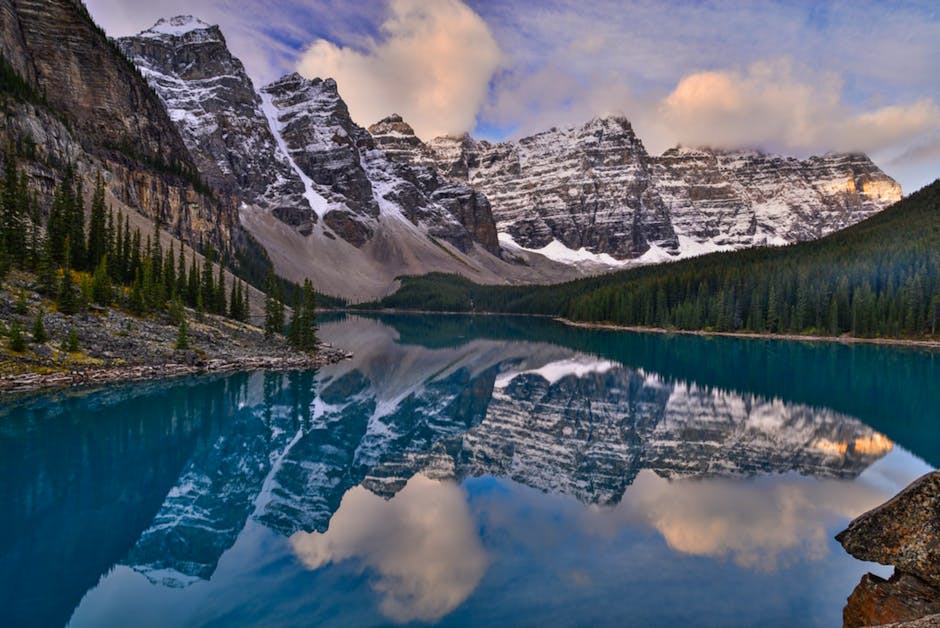
Located in the Valley of the Ten Peaks, Moraine Lake is another jewel in Banff’s crown. Its vivid blue waters, caused by suspended glacial silt, create a surreal contrast against the surrounding granite cliffs. The lake is accessible via a short drive from Lake Louise, though parking is limited and reservations are recommended during summer months.
The Rockpile Trail, a moderate 20-minute hike to a panoramic viewpoint, is one of the most photographed spots in the park. For a more immersive experience, consider the longer Lakeshore Trail or a canoe rental to glide across the calm surface. Note that Moraine Lake is typically frozen from mid-October to mid-June, so visiting between June and September offers the best conditions.
Icefields Parkway (Highway 93 North)
Stretching 232 kilometers from Lake Louise to Jasper, the Icefields Parkway is often hailed as one of the most scenic drives in the world. This route winds through glaciers, waterfalls, and alpine meadows, offering countless photo opportunities and pullouts for short hikes. Key stops include the Crowfoot Glacier, Bow Lake, and the stunning Peyto Lake, known for its wolf-head shape and vibrant turquoise color.
One of the parkway’s highlights is the Columbia Icefield, where visitors can take a guided tour onto the Athabasca Glacier. The Glacier Skywalk, a glass-floored observation platform extending over the Sunwapta Valley, provides a thrilling perspective of the glacial landscape below.
Johnston Canyon
For those who enjoy accessible trails with dramatic payoff, Johnston Canyon is a must-visit. This popular hiking destination features a series of catwalks and bridges that lead through a narrow limestone canyon with cascading waterfalls. The Lower Falls are a short, easy walk from the parking lot, while the Upper Falls require a more strenuous 2.7-kilometer hike with elevation gain.
In winter, the frozen waterfalls create stunning ice formations, and guided ice walks allow visitors to safely explore the icy tunnels behind the cascades. The trail is well-maintained year-round, making it a favorite for families and casual hikers.
Sunshine Meadows
Accessible via a gondola from the Sunshine Village ski resort, Sunshine Meadows offers some of the most expansive alpine views in the park. During summer, wildflowers bloom across the meadows, and the network of trails leads to panoramic vistas of surrounding peaks like Mount Assiniboine and Mount Bourgeau.
The Rock Isle Lake Trail and the Larch Valley Trail are particularly popular, especially in late September when the larch trees turn golden. The area is less crowded than Lake Louise or Moraine Lake, offering a more tranquil alpine experience.
Banff Gondola and Sulphur Mountain
For a bird’s-eye view of the Bow Valley and surrounding peaks, take the Banff Gondola to the summit of Sulphur Mountain. The eight-minute ride ascends 600 meters, culminating at an elevation of 2,281 meters. At the top, the Cosmic Ray Station interpretive center provides educational exhibits, while the boardwalk leads to the Sanson’s Peak lookout.
The views from the summit are spectacular in all seasons, but sunrise and sunset offer particularly magical lighting. In winter, the gondola operates year-round, and the summit is a great spot for snowshoeing.
Tips for Visiting Banff National Park
To make the most of your trip, keep these practical tips in mind:
- Book accommodations and parking early: Banff is extremely popular, especially from June to September. Reserve lodgings and shuttle passes well in advance.
- Use the Parks Canada Discovery Pass: This annual pass grants access to national parks and historic sites across Canada and is cost-effective for multiple visits.
- Respect wildlife and trail guidelines: Keep a safe distance from animals, stay on marked trails, and carry bear spray when hiking in remote areas.
- Dress in layers: Weather in the mountains can change rapidly. Even in summer, temperatures can drop significantly at higher elevations.
- Leave no trace: Help preserve the park’s beauty by packing out all trash and minimizing your environmental impact.
Best Time to Visit
The ideal time to visit Banff National Park depends on your interests. Summer (June to August) offers warm weather, full access to trails, and vibrant wildflower displays. This is also the busiest season, so expect crowds at major attractions.
Fall (September to October) brings cooler temperatures and stunning autumn colors, especially in larch forests. Wildlife is more active during this time, and the crowds begin to thin. Winter (November to March) transforms the park into a snowy paradise, perfect for skiing at Sunshine Village, Lake Louise Ski Resort, or Norquay. Spring (April to May) sees melting snow and rushing waterfalls, though some high-elevation trails may still be inaccessible.
Getting Around the Park
While a personal vehicle offers the most flexibility, Banff has a reliable public transit system operated by Roam Transit. Buses connect Banff townsite with Lake Louise, Johnston Canyon, and the Banff Gondola. During peak season, Parks Canada also operates shuttles to Moraine Lake and other high-traffic areas to reduce congestion.
For those arriving from Calgary, the Banff Airporter and other shuttle services provide direct transportation from the airport. Cycling is another great option, with dedicated bike paths and scenic routes like the Bow Valley Parkway.
Final Thoughts
Banff National Park is a destination that exceeds expectations. Its combination of raw natural beauty, diverse ecosystems, and well-developed visitor infrastructure makes it accessible and awe-inspiring for travelers from around the globe. From the mirror-like surface of Lake Louise to the towering peaks along the Icefields Parkway, the park offers endless opportunities for exploration and wonder.
By prioritizing the Top Scenic Spots in Banff National Park, Canada, you can craft an itinerary that balances iconic landmarks with hidden gems. Whether you’re capturing the sunrise over Moraine Lake or hiking through wildflower-strewn meadows, Banff promises memories that will last a lifetime.
FAQ
What is the best way to avoid crowds at popular scenic spots?
To avoid crowds, visit major attractions like Lake Louise and Moraine Lake early in the morning (before 8 a.m.) or later in the afternoon. Consider visiting during the shoulder seasons (May–June or September–October) when the weather is still pleasant but fewer tourists are present.
Do I need a permit to visit Banff National Park?
Yes, all visitors must purchase a Parks Canada pass to enter Banff National Park. The daily fee varies by season, and an annual Discovery Pass is recommended for multiple visits. Passes can be purchased online or at park entrances.
Are there wheelchair-accessible trails in Banff?
Yes, several trails and facilities are wheelchair accessible, including the Lake Louise Shoreline Trail, the Johnston Canyon Lower Falls boardwalk, and the Banff Gondola. Parks Canada provides detailed accessibility information on their website to help plan inclusive visits.