Top Tourist Spots in Marrakech, Morocco: A Complete Travel Guide
Top Tourist Spots in Marrakech, Morocco: A Complete Travel Guide
Marrakech, often referred to as the “Red City” due to its distinctive terracotta-colored buildings, is one of Morocco’s most captivating destinations. Nestled at the foothills of the Atlas Mountains, this vibrant metropolis blends ancient traditions with modern charm, offering travelers an unforgettable cultural and sensory experience. Whether you’re drawn to historic architecture, bustling markets, serene gardens, or culinary delights, the top tourist spots in Marrakech, Morocco, cater to every kind of explorer. From the labyrinthine alleys of the medina to the tranquil oasis of the Majorelle Garden, Marrakech invites you to immerse yourself in its rich heritage and dynamic atmosphere.
A Journey Through Marrakech’s Historic Heart: The Medina
The Medina of Marrakech is a UNESCO World Heritage Site and the pulsating core of the city. Encircled by 12th-century ramparts, this ancient walled quarter is a maze of narrow alleys, hidden courtyards, and centuries-old landmarks. Walking through the Medina feels like stepping back in time, with every turn revealing a new surprise—whether it’s a centuries-old mosque, a traditional hammam, or a artisan workshop crafting leather goods and metal lanterns.
At the heart of the Medina lies Jemaa el-Fnaa, the city’s iconic central square. By day, it’s a lively marketplace filled with orange juice vendors, snake charmers, and storytellers. As the sun sets, the square transforms into an open-air food court, with dozens of food stalls serving up Moroccan delicacies like tagine, harira soup, and grilled meats. The energy here is electric, making it a must-visit among the top tourist spots in Marrakech, Morocco.
Exploring the Souks: A Shopper’s Paradise
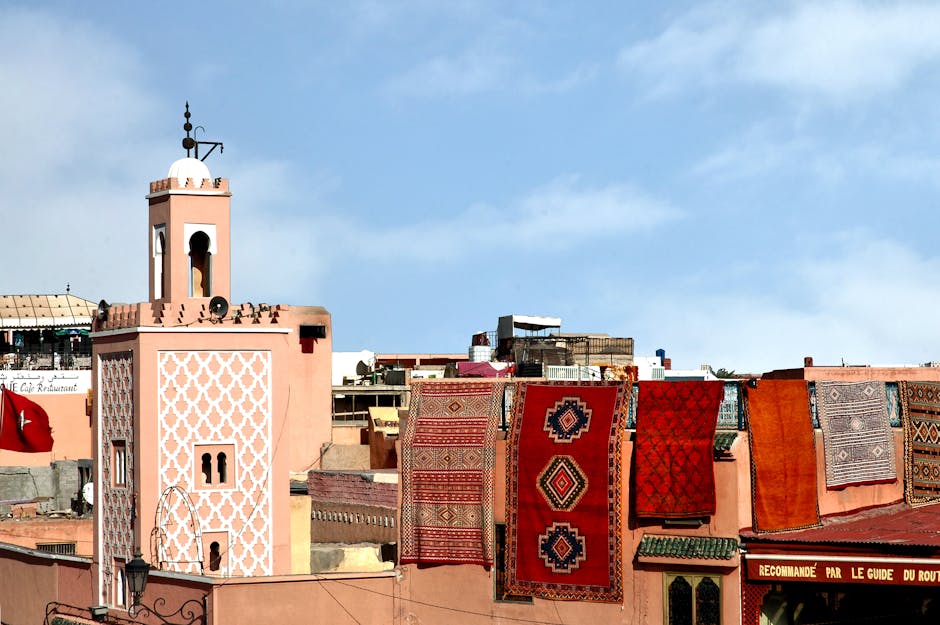
Adjacent to Jemaa el-Fnaa are the famous souks of Marrakech—a sprawling network of markets that cater to every imaginable need and desire. Divided into specialized sections, the souks offer everything from handwoven Berber carpets and intricate ceramics to aromatic spices and traditional leather babouches (slippers).
- Spice Souk: A fragrant alleyway bursting with saffron, cumin, and ras el hanout, perfect for culinary enthusiasts.
- Leather Souk: Located near the historic Ben Youssef Madrasa, this area is ideal for purchasing high-quality leather goods.
- Carpet Souk: Artisans showcase exquisite hand-knotted rugs, often with detailed explanations of their regional origins and symbolism.
While navigating the souks can be overwhelming, it’s also part of the adventure. Bargaining is expected, so don’t hesitate to negotiate politely. Many travelers leave with not just souvenirs, but also stories of encounters with friendly shopkeepers and artisans.
Architectural Marvels: Palaces and Mosques
Marrakech is home to some of Morocco’s most stunning architectural landmarks, many of which reflect the city’s rich Islamic and Andalusian heritage. These structures are not only visually breathtaking but also offer insight into the region’s historical and cultural evolution.
El Badi Palace: A Monument to Grandeur
Once a symbol of opulence, the El Badi Palace was built in the late 16th century by Sultan Ahmad al-Mansur to celebrate his victory over the Portuguese. Though now in ruins, the palace’s vast courtyards, sunken gardens, and towering walls still convey its former magnificence. Visitors can explore the remains of the grand pavilions and imagine the lavish banquets that once took place here. The palace also offers panoramic views of the city, especially at sunset, making it a favorite among photographers.
Koutoubia Mosque: The City’s Spiritual Beacon
Towering over Jemaa el-Fnaa, the Koutoubia Mosque is Marrakech’s largest and most iconic mosque. Completed in the 12th century, its minaret—standing at 77 meters—serves as a guiding landmark across the city. While non-Muslims are not permitted inside the mosque, the exterior is a masterpiece of Almohad architecture, with intricate geometric patterns and ornate stonework. The surrounding gardens and reflecting pools add to its serene beauty, especially when illuminated at night.
Ben Youssef Madrasa: A Center of Learning and Art
Once the largest Islamic college in North Africa, the Ben Youssef Madrasa is a stunning example of traditional Moroccan design. Built in the 14th century and later expanded, it features a central courtyard surrounded by student cells, all adorned with exquisite zellige tilework, carved cedar wood, and stucco moldings. The intricate details and harmonious proportions make it a must-see for architecture lovers and history buffs alike.
Green Oases: Gardens and Parks
Amidst the bustling streets and historic sites, Marrakech offers several tranquil green spaces where visitors can relax and recharge. These gardens provide a refreshing contrast to the city’s energetic pace and showcase Morocco’s love for nature and horticulture.
Majorelle Garden: A Bohemian Retreat
Created in the 1920s by French painter Jacques Majorelle, the Majorelle Garden is one of Marrakech’s most photographed attractions. Known for its vibrant cobalt blue structures—dubbed “Majorelle Blue”—the garden is a lush sanctuary filled with exotic plants, cacti, and palm trees from around the world. After Majorelle’s death, the property was rescued and restored by fashion designer Yves Saint Laurent and his partner Pierre Bergé, who turned it into a cultural landmark.
Today, the garden also houses the Berber Museum, which showcases a fascinating collection of Berber artifacts, including jewelry, textiles, and tools. The peaceful atmosphere and artistic ambiance make it a favorite among travelers seeking a moment of calm.
Menara Gardens: A Symbol of Harmony
Located just outside the city center, the Menara Gardens offer a peaceful escape with a view of the Atlas Mountains in the distance. Centered around a large artificial lake, the gardens feature a pavilion with a reflecting pool that mirrors the surrounding landscape. Originally built in the 12th century as an agricultural irrigation system, the site has evolved into a popular spot for locals and tourists alike to stroll, picnic, or simply enjoy the scenery.
Cultural Experiences: Museums and Performances
For travelers interested in deepening their understanding of Moroccan culture, Marrakech offers a range of museums and cultural experiences that go beyond the typical tourist trail.
Museum of Marrakech: Art and History Under One Roof
Housed in a beautifully restored 19th-century palace, the Museum of Marrakech showcases a diverse collection of Moroccan art, including contemporary paintings, traditional crafts, and historical artifacts. The museum also hosts rotating exhibitions and cultural events, making it a dynamic space for artistic expression. The palace’s architecture itself is a highlight, with a central courtyard featuring a stunning fountain and mosaic tiles.
Dar Si Said Museum: A Glimpse into Moroccan Craftsmanship
Once the residence of a 19th-century vizier, Dar Si Said is now a museum dedicated to Moroccan arts and crafts. The building is a masterpiece of traditional design, with ornate ceilings, carved plaster, and intricate tilework. Inside, visitors can admire a collection of Berber jewelry, wooden artifacts, and handwoven textiles, offering a deeper appreciation for the country’s artisanal traditions.
Modern Marrakech: Gueliz and Beyond
While Marrakech is deeply rooted in history, it also embraces modernity. The Gueliz district, located just outside the Medina, is the city’s contemporary hub, featuring chic boutiques, art galleries, cafes, and restaurants. This area offers a more relaxed atmosphere and is ideal for travelers looking to experience Marrakech’s evolving identity.
Gueliz is also home to the MACMA (Museum of Contemporary Art of Marrakech), which promotes modern Moroccan and international artists. The district’s wide boulevards and European-style architecture provide a striking contrast to the narrow alleys of the Medina, illustrating the city’s blend of old and new.
Day Trips and Nearby Attractions
While Marrakech itself offers endless exploration, several nearby destinations are worth visiting for a fuller experience of the region.
Atlas Mountains: A Natural Escape
Just a short drive from Marrakech, the Atlas Mountains offer breathtaking landscapes, traditional Berber villages, and opportunities for hiking and trekking. The Ourika Valley, located about 30 kilometers south of the city, is a popular day trip destination. Visitors can explore local markets, enjoy fresh mint tea with Berber families, and hike to the Setti Fatma waterfalls.
Ouirgane Valley: Serenity in Nature
For a quieter alternative, the Ouirgane Valley is a hidden gem surrounded by pine forests and terraced hills. It’s an ideal spot for nature lovers and those seeking a peaceful retreat. The valley also features a small lake and several eco-lodges that promote sustainable tourism.
Practical Tips for Visiting Marrakech
To make the most of your trip to Marrakech, consider the following tips:
- Best Time to Visit: Spring (March to May) and fall (September to November) offer pleasant temperatures and fewer crowds.
- Dress Code: While Marrakech is relatively liberal, it’s respectful to dress modestly, especially when visiting religious sites.
- Transportation: Walking is the best way to explore the Medina. For longer distances, consider using petit taxis (small cabs) or ride-sharing apps.
- Safety: Marrakech is generally safe for tourists, but be mindful of pickpockets in crowded areas and avoid walking alone at night in isolated alleys.
Conclusion
Marrakech is a city of contrasts—where ancient traditions meet modern innovation, and where every corner tells a story. From the historic medina and grand palaces to lush gardens and vibrant souks, the top tourist spots in Marrakech, Morocco, offer a rich tapestry of experiences for every traveler. Whether you’re exploring centuries-old architecture, savoring authentic Moroccan cuisine, or simply soaking in the city’s vibrant atmosphere, Marrakech promises an adventure that lingers long after you’ve left.
FAQ
Q: Is Marrakech safe for solo travelers?
A: Yes, Marrakech is generally safe for solo travelers, including women. However, it’s advisable to stay aware of your surroundings, avoid poorly lit areas at night, and dress modestly to respect local customs.
Q: Do I need to speak Arabic or French to get around?
A: While Arabic and French are widely spoken, many people in the tourism industry also speak English. Learning a few basic phrases in Arabic or French can enhance your experience and help you connect with locals.
Q: What should I wear when visiting mosques in Marrakech?
A: When visiting mosques, both men and women should dress modestly—covering shoulders and knees. Note that non-Muslims are not allowed inside most mosques, including the Koutoubia Mosque, but can admire them from the outside.