
Travel Guide to Bali, Indonesia: Your Complete Itinerary for an Unforgettable Journey
Travel Guide to Bali, Indonesia: Your Complete Itinerary for an Unforgettable Journey
Bali, Indonesia’s most famous island, is a tropical paradise that blends stunning natural beauty, rich cultural heritage, and vibrant modern experiences. Whether you’re seeking serene beaches, lush rice terraces, spiritual temples, or lively nightlife, this Travel Guide to Bali, Indonesia will help you navigate the island with confidence and ease. From planning your itinerary to understanding local customs, this comprehensive guide is designed to ensure your trip is both enjoyable and enriching. With its welcoming people, diverse landscapes, and affordable travel options, Bali continues to captivate travelers from around the world.
Why Visit Bali, Indonesia?
Bali stands out as one of Southeast Asia’s premier travel destinations for good reason. The island offers a unique mix of relaxation and adventure, making it ideal for honeymooners, families, solo travelers, and digital nomads alike. Its warm climate year-round, combined with a well-developed tourism infrastructure, ensures a smooth and enjoyable experience. Beyond its famous beaches, Bali is home to UNESCO-listed cultural sites, volcanic mountains, traditional villages, and a thriving arts scene. The island’s spiritual essence, rooted in Hindu-Balinese traditions, adds a layer of depth and authenticity rarely found elsewhere.
Top Reasons to Explore Bali:
- Stunning beaches with world-class surfing and snorkeling
- Ancient temples and spiritual ceremonies
- Lush rice paddies and scenic hiking trails
- Vibrant local markets and artisanal crafts
- Delicious Indonesian cuisine and international dining
- Affordable luxury accommodations and wellness retreats
Best Time to Visit Bali
The best time to visit Bali is during the dry season, which runs from April to October. During these months, you can expect sunny skies, low humidity, and ideal conditions for outdoor activities like hiking, diving, and beach lounging. The peak tourist season falls between June and August, so expect larger crowds and higher prices for flights and accommodations. If you’re looking for a quieter experience with lower rates, consider visiting in April, May, September, or early October—these shoulder months offer great weather with fewer tourists.
The rainy season, from November to March, brings frequent downpours and higher humidity. While travel is still possible, outdoor plans may be disrupted. However, this period also offers lush landscapes and fewer crowds, making it a good option for budget travelers or those seeking a more authentic, off-the-beaten-path experience.
How to Get to Bali
Most international travelers arrive in Bali via Ngurah Rai International Airport (also known as Denpasar International Airport), located in the southern part of the island near the popular area of Kuta. The airport is well-connected to major cities across Asia, Australia, the Middle East, and increasingly, Europe and North America. Direct flights are available from cities like Singapore, Kuala Lumpur, Sydney, Melbourne, Dubai, and Doha.
Upon arrival, you can reach your accommodation via taxi, ride-hailing apps like Grab, or pre-arranged airport transfers. Many hotels and villas offer complimentary shuttle services, so it’s worth checking in advance. If you’re traveling from other parts of Indonesia, domestic flights to Denpasar are frequent and affordable, with airlines such as Garuda Indonesia, Lion Air, and Citilink operating regular routes.
Getting Around Bali
Bali’s transportation network is diverse, but traffic can be heavy, especially in southern areas like Seminyak, Canggu, and Ubud. Renting a scooter is a popular and cost-effective way to explore the island, offering flexibility and access to remote villages and scenic routes. However, this option is only recommended for experienced riders, as road conditions can be challenging and traffic rules are often loosely followed.
For a safer and more comfortable option, consider hiring a private driver for the day. This is a common practice among tourists and allows you to visit multiple attractions without the stress of navigation. Many drivers speak basic English and can double as informal guides. Alternatively, ride-hailing apps like Grab and Gojek operate in Bali and offer affordable rides, though availability may be limited in rural areas.
Where to Stay in Bali
Bali offers a wide range of accommodations to suit every budget and travel style. The island is divided into several key regions, each with its own character and appeal.
Seminyak and Canggu
These neighboring areas on Bali’s southwest coast are known for their trendy beach clubs, boutique shops, and vibrant dining scene. Ideal for younger travelers and those seeking a lively atmosphere, Seminyak and Canggu offer luxury villas, modern hotels, and surf-friendly beaches.
Ubud
Nestled in the island’s central highlands, Ubud is the cultural heart of Bali. Surrounded by rice terraces, art galleries, and yoga studios, it’s perfect for travelers interested in wellness, spirituality, and traditional crafts. Accommodations range from eco-lodges to luxury resorts with infinity pools overlooking the jungle.
Uluwatu and Nusa Dua
Located on the Bukit Peninsula, these areas are famous for their dramatic cliffs, world-class surf breaks, and upscale resorts. Uluwatu offers a more laid-back, bohemian vibe, while Nusa Dua is known for its pristine beaches and family-friendly luxury hotels.
Sanur and Lovina
Sanur, on the east coast, is a quieter alternative to Kuta, with calm waters ideal for swimming and paddleboarding. Lovina, on the north coast, is known for its black sand beaches and dolphin-watching tours at sunrise.
Must-Visit Attractions in Bali
Bali is brimming with natural wonders and cultural landmarks. Here are some of the top attractions you shouldn’t miss:
Tegallalang Rice Terraces
Located just north of Ubud, these iconic terraced fields are a photographer’s dream. The lush green steps carved into the hillside are not only beautiful but also a testament to Bali’s traditional subak irrigation system, which has been used for centuries.
Uluwatu Temple
Perched on a cliff 70 meters above the Indian Ocean, this ancient sea temple offers breathtaking sunset views and is home to a daily Kecak fire dance performance. Be mindful of the mischievous monkeys that roam the area—they’re known to snatch sunglasses and hats!
Mount Batur Sunrise Trek
For adventure seekers, a guided hike up Mount Batur is a must. Starting in the early hours of the morning, the trek leads you to the summit just in time to witness a spectacular sunrise over the island. The effort is rewarded with panoramic views and a traditional breakfast cooked using volcanic heat.
Sacred Monkey Forest Sanctuary
Located in Ubud, this lush sanctuary is home to over 700 Balinese long-tailed macaques. While the monkeys are a major draw, the forest itself is a peaceful retreat with ancient temples and towering trees. Visitors are advised to keep a safe distance and avoid direct eye contact with the animals.
Tirta Empul Temple
This holy water temple is where locals come to purify themselves in sacred springs. Visitors can participate in a ritual cleansing under the temple’s gushing water spouts, a deeply spiritual experience that offers insight into Balinese Hindu traditions.
Experiencing Balinese Culture
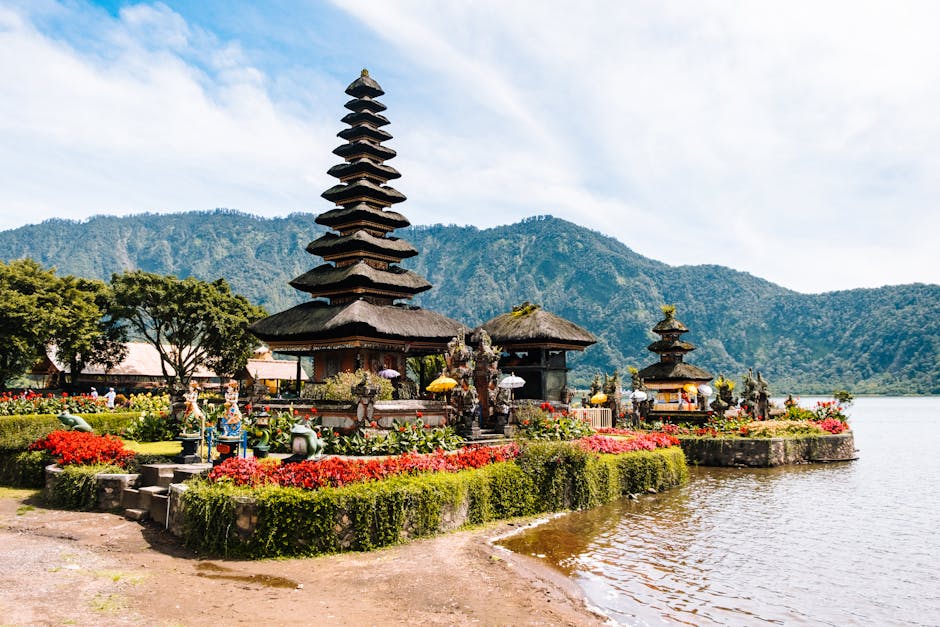
Bali’s culture is deeply intertwined with its Hindu-Balinese religion, which influences daily life, art, and architecture. Unlike the majority-Muslim Indonesia, Bali is predominantly Hindu, and this is reflected in the thousands of temples (pura) that dot the landscape. Each village has at least three main temples, and ceremonies are held frequently, often marked by colorful processions, offerings, and gamelan music.
Respecting local customs is essential when visiting temples or attending ceremonies. Dress modestly—cover your shoulders and wear a sarong and sash, which are often provided at temple entrances. Avoid pointing your feet at people or religious objects, and never step on offerings placed on the ground.
Bali is also renowned for its traditional arts, including dance, painting, wood carving, and batik textile-making. Ubud is the best place to experience these crafts, with numerous galleries, workshops, and performances available. Don’t miss a traditional Legong or Barong dance, which tells ancient stories through intricate movements and elaborate costumes.
Food and Dining in Bali
Bali’s culinary scene is a delicious fusion of Indonesian flavors and international influences. Local dishes are often rich in spices, coconut, and fresh herbs. Must-try foods include:
Nasi Goreng
Indonesia’s famous fried rice, typically served with a fried egg, prawn crackers, and a side of pickles. It’s a staple at warungs (local eateries) and hotels alike.
Babi Guling
A Balinese specialty of roasted suckling pig, seasoned with turmeric, garlic, and lemongrass. Best enjoyed at traditional warungs in Ubud or Gianyar.
Bebek Betutu
Slow-cooked duck wrapped in banana leaves and spices, resulting in tender, flavorful meat. Often served during ceremonies but available at many restaurants.
Satay Lilit
Minced fish or meat mixed with coconut, spices, and lime leaves, then wrapped around bamboo or lemongrass sticks and grilled.
In addition to local fare, Bali offers an impressive range of international cuisine, from Italian and Japanese to vegan and raw food options. Seminyak and Canggu are particularly known for their trendy cafes and fine dining restaurants.
Tips for a Safe and Respectful Trip
While Bali is generally safe for tourists, it’s important to take basic precautions. Drink bottled or filtered water to avoid stomach issues, and be cautious with street food—choose busy stalls with high turnover. Protect yourself from the sun with sunscreen, hats, and lightweight clothing, especially during midday hours.
When swimming, be aware of strong currents and rip tides, particularly at beaches like Kuta and Uluwatu. Always heed warning flags and swim near lifeguard stations when possible. Avoid touching coral reefs while snorkeling or diving, as they are fragile ecosystems.
Respect local customs and dress codes, especially in rural areas and religious sites. Avoid public displays of affection, and always ask for permission before photographing people, particularly during ceremonies.
Frequently Asked Questions
Do I need a visa to visit Bali, Indonesia?
Travelers from over 170 countries, including the United States, Canada, the UK, Australia, and most EU nations, can enter Indonesia visa-free for up to 30 days for tourism purposes. Extensions are not permitted under this policy, so plan your stay accordingly. For longer visits, you can apply for a visa on arrival or an e-visa before travel.
Is Bali safe for solo female travelers?
Yes, Bali is generally safe for solo female travelers. The island is accustomed to international visitors, and locals are typically friendly and helpful. However, it’s wise to take standard safety precautions—avoid walking alone at night in isolated areas, use trusted transportation, and keep your belongings secure.
What currency is used in Bali, and should I tip?
The official currency is the Indonesian Rupiah (IDR). While credit cards are accepted in hotels and larger restaurants, cash is preferred in warungs, markets, and rural areas. Tipping is not mandatory but appreciated for good service. A 5–10% tip is common in restaurants, and small amounts can be given to drivers, guides, and hotel staff.
Final Thoughts
This Travel Guide to Bali, Indonesia aims to equip you with the knowledge and confidence to explore one of the world’s most enchanting destinations. From its spiritual temples and natural wonders to its vibrant culture and delicious cuisine, Bali offers an experience that is both transformative and unforgettable. Whether you’re planning a short getaway or an extended stay, the island’s charm and hospitality will leave a lasting impression. Start planning your adventure today and discover why Bali continues to be a favorite among travelers worldwide.