Travel Guide to Barcelona, Spain: Explore Culture, Cuisine, and Architecture
Travel Guide to Barcelona, Spain: Explore Culture, Cuisine, and Architecture
Barcelona, Spain’s vibrant coastal capital, is a destination that effortlessly blends historic charm with modern energy. Whether you’re drawn to its world-famous architecture, rich culinary scene, or sun-kissed Mediterranean beaches, this travel guide to Barcelona, Spain will help you navigate the city like a local. From Gaudí’s surreal masterpieces to bustling tapas bars and quiet Gothic Quarter alleys, Barcelona offers an unforgettable experience for every type of traveler. With its excellent public transportation, year-round mild climate, and welcoming atmosphere, it’s no surprise that millions visit each year to discover what makes this Catalan city so special.
Why Visit Barcelona?
Barcelona stands out as one of Europe’s most dynamic cities, offering a unique fusion of art, history, and seaside relaxation. As the capital of Catalonia, it boasts a distinct cultural identity that sets it apart from the rest of Spain. Visitors are greeted with a lively street life, world-class museums, and a culinary tradition that emphasizes fresh, local ingredients. The city’s commitment to design and innovation is evident in its architecture, public spaces, and urban planning. Whether you’re a first-time visitor or returning for another adventure, Barcelona consistently delivers new experiences and hidden gems waiting to be uncovered.
Top Attractions in Barcelona
Barcelona is home to some of the world’s most iconic landmarks, many of which are must-sees on any itinerary. The city’s architectural heritage, largely shaped by Antoni Gaudí, is a major draw for tourists and art enthusiasts alike.
Sagrada Família
The Sagrada Família is perhaps Barcelona’s most famous landmark. Designed by Gaudí, this basilica has been under construction since 1882 and remains unfinished to this day. Its intricate facades, towering spires, and stunning stained-glass windows create a breathtaking experience. Visitors are encouraged to book tickets in advance to avoid long lines and to consider a guided tour to fully appreciate the symbolism and craftsmanship behind this UNESCO World Heritage Site.
Park Güell
Another of Gaudí’s masterpieces, Park Güell is a whimsical public park filled with colorful mosaics, organic-shaped structures, and panoramic views of the city. Originally intended as a residential estate, the project was never completed, but the public park that emerged has become one of Barcelona’s most beloved green spaces. The Monumental Zone, which requires a timed-entry ticket, features the famous mosaic lizard and serpentine bench. For those seeking a quieter experience, the free-access areas of the park offer peaceful walks and scenic overlooks.
La Rambla and the Gothic Quarter
La Rambla is a bustling pedestrian street that stretches from Plaça de Catalunya to the Christopher Columbus Monument at the port. Lined with street performers, flower stalls, and cafes, it’s a lively introduction to Barcelona’s urban energy. However, visitors should remain cautious of pickpockets in this crowded area. Just off La Rambla lies the Gothic Quarter (Barri Gòtic), a maze of narrow medieval streets filled with historic buildings, charming plazas, and hidden courtyards. Key sites include the Barcelona Cathedral, Plaça Reial, and the remains of the ancient Roman temple of Augustus.
Casa Batlló and Casa Milà (La Pedrera)
These two modernist buildings on Passeig de Gràcia showcase Gaudí’s innovative approach to architecture. Casa Batlló, with its skeletal balconies and wave-like facade, resembles a scene from a fairy tale. Casa Milà, also known as La Pedrera, features a undulating stone exterior and a rooftop dotted with surreal chimney sculptures. Both buildings offer immersive audio-guided tours that delve into Gaudí’s design philosophy and the stories behind their creation.
Barcelona’s Culinary Scene
Food lovers will find Barcelona a paradise of flavors. The city’s cuisine reflects its Mediterranean location, with an emphasis on seafood, olive oil, fresh vegetables, and seasonal produce. Tapas—small plates meant for sharing—are a cornerstone of the dining culture and can be found in nearly every neighborhood.
For an authentic experience, visit local markets such as Mercat de la Boqueria on La Rambla. While it can be crowded with tourists, it remains a vibrant hub where you can sample fresh fruit, cured meats, cheeses, and seafood. For a more local vibe, explore markets like Mercat de Sant Antoni or Mercat de Santa Caterina, where residents shop for daily ingredients.
When it comes to restaurants, Barcelona offers everything from Michelin-starred establishments to humble family-run bodegas. Don’t miss trying traditional dishes like pa amb tomàquet (bread with tomato), escalivada (roasted vegetables), suquet de peix (fish stew), and crema catalana (a custard dessert similar to crème brûlée). Pair your meal with a glass of Catalan wine or a refreshing vermut (vermouth), often enjoyed as an aperitif before dinner.
Getting Around Barcelona
Barcelona has an efficient and affordable public transportation system that makes it easy to explore the city. The metro is fast and covers most major attractions, with lines clearly marked and stations well-connected. Buses and trams supplement the metro network, especially in areas with less underground coverage.
For shorter distances, walking is often the best way to experience the city’s neighborhoods and hidden corners. Many of Barcelona’s most charming areas, such as Gràcia and El Born, are best explored on foot. Bike rentals and electric scooters are also popular options, with dedicated bike lanes throughout the city.
Tourists can purchase a T-Casual card, which offers 10 rides on public transport, or a Hola BCN! travel card for unlimited travel over 2 to 5 days. Both are cost-effective for visitors planning to use public transit frequently.
Best Time to Visit Barcelona
The ideal time to visit Barcelona depends on your preferences for weather, crowds, and events. Spring (April to June) and fall (September to October) are widely considered the best seasons, offering pleasant temperatures, fewer tourists, and vibrant local festivals.
- Spring: Mild weather, blooming gardens, and events like Sant Jordi (Book and Rose Day) in April.
- Summer: Warm and sunny, perfect for beach days, but also the busiest and most expensive time to visit.
- Fall: Comfortable temperatures, harvest festivals, and fewer crowds after the summer rush.
- Winter: Cooler and quieter, with holiday markets and lower accommodation rates.
Summer brings long days and beach culture, but also high temperatures and packed attractions. If you visit between June and August, be prepared for heat and crowds, and consider booking accommodations and major attractions well in advance.
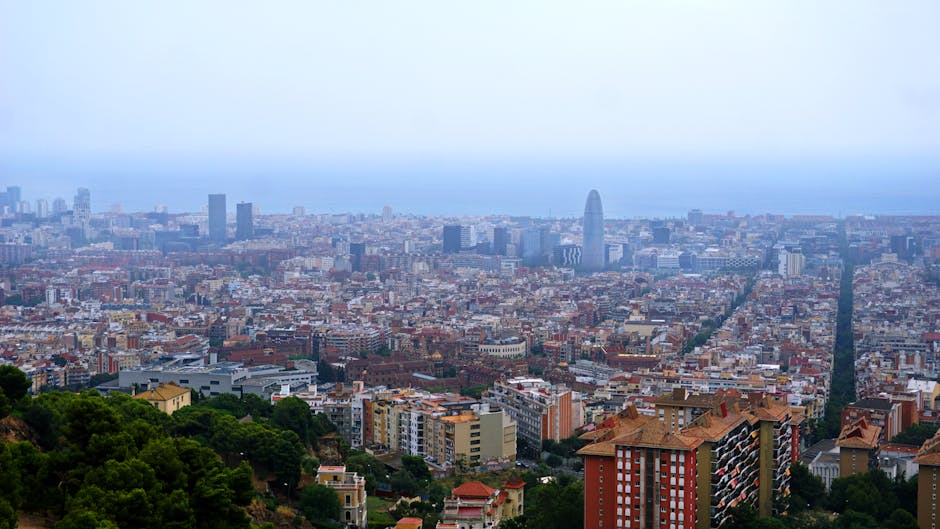
Where to Stay in Barcelona
Barcelona offers a wide range of accommodations to suit every budget and travel style. The best area to stay depends on your interests and itinerary.
City Center (Eixample and Gothic Quarter)
Ideal for first-time visitors, this central area puts you within walking distance of major sights, restaurants, and shopping. Eixample is known for its grid layout, modernist architecture, and upscale boutiques, while the Gothic Quarter offers historic charm and a lively nightlife scene.
El Born and Barceloneta
El Born is a trendy neighborhood with boutique shops, art galleries, and cozy cafes. It’s close to the Picasso Museum and the Santa Maria del Mar church. Barceloneta, located along the beach, is perfect for those who want to be near the sea. It’s lively, with seafood restaurants and beachfront bars, though it can be noisy at night.
Gràcia
A quieter, bohemian district with a village-like atmosphere, Gràcia is popular with locals and travelers seeking a more authentic experience. It’s known for its plazas, independent shops, and annual Festa Major in August.
Budget travelers can find affordable hostels and guesthouses in areas like Poble Sec or Sant Antoni, while luxury seekers may prefer boutique hotels in Eixample or beachfront resorts in nearby towns like Sitges.
Day Trips from Barcelona
Barcelona’s central location makes it an excellent base for exploring the surrounding region. Several worthwhile day trips are easily accessible by train or car.
Montserrat
Just an hour from Barcelona, Montserrat is a mountain range famous for its Benedictine monastery, scenic hiking trails, and the Black Madonna statue. The train ride itself offers stunning views of the Catalan countryside. Visitors can take a cable car or rack railway to the monastery and enjoy panoramic views from the mountaintop.
Girona
This medieval city, about 1.5 hours north by train, is known for its well-preserved Jewish quarter, colorful riverfront houses, and the impressive Girona Cathedral. It also gained fame as a filming location for Game of Thrones. A half-day visit allows time to explore the old town and enjoy local specialties like xuixo, a sweet pastry.
Sitges
A charming coastal town just 30 minutes south of Barcelona, Sitges is known for its beaches, LGBTQ+ friendly atmosphere, and annual film festival. It’s a great place to relax, swim, and enjoy fresh seafood in a relaxed seaside setting.
Safety and Practical Tips
Barcelona is generally a safe city for tourists, but like any major urban area, it’s important to stay aware of your surroundings. Pickpocketing is the most common issue, especially in crowded areas like La Rambla, public transportation, and tourist hotspots. Keep your belongings secure, avoid displaying valuables, and consider using a money belt or anti-theft bag.
When dining out, be cautious of overly aggressive waiters or menus without prices, which may indicate a tourist trap. Stick to well-reviewed restaurants and avoid eating on La Rambla if you’re looking for authentic, reasonably priced food.
Learn a few basic phrases in Catalan or Spanish, such as “Bon dia” (Good morning) or “Gràcies” (Thank you). While many locals speak English, making an effort to communicate in the local language is appreciated and can enhance your experience.
Final Thoughts
Barcelona is a city that captivates with its creativity, history, and Mediterranean spirit. Whether you’re marveling at Gaudí’s architectural wonders, savoring a plate of patatas bravas at a neighborhood bar, or strolling along the beach at sunset, the city offers endless opportunities for discovery. With this travel guide to Barcelona, Spain, you’re well-equipped to plan a trip that balances iconic sights with authentic local experiences. From its world-class museums to its vibrant street life, Barcelona promises a journey filled with color, flavor, and inspiration.
FAQ
What is the best way to get from Barcelona Airport to the city center?
The Aerobús is a convenient and fast shuttle service that connects Barcelona–El Prat Airport to Plaça de Catalunya in about 30–40 minutes. Alternatively, you can take the RENFE train or metro, which are more affordable but require a transfer.
Do I need to speak Spanish or Catalan to get by in Barcelona?
While Catalan is the official language, most people in the tourism industry speak English and Spanish. Learning a few basic phrases in either language is helpful and appreciated, but not required for most visitors.
Is Barcelona safe for solo travelers?
Yes, Barcelona is generally safe for solo travelers, including women. However, it’s important to stay vigilant in crowded areas, avoid poorly lit streets at night, and keep your belongings secure to prevent pickpocketing.