
Travel Guide to Istanbul, Turkey: Discover the Magic Between Two Continents
Travel Guide to Istanbul, Turkey: Discover the Magic Between Two Continents
Welcome to your comprehensive Travel Guide to Istanbul, Turkey—a city where ancient history meets modern vibrancy, and Europe seamlessly blends with Asia. Straddling the Bosporus Strait, Istanbul is a cultural crossroads like no other, offering travelers a unique blend of Byzantine grandeur, Ottoman opulence, and contemporary charm. Whether you’re drawn to its iconic skyline, rich culinary scene, or centuries-old bazaars, this guide will equip you with everything you need to explore Istanbul with confidence and curiosity.
Why Visit Istanbul?
Istanbul is more than just a destination—it’s an experience. As one of the world’s oldest continuously inhabited cities, it has served as the capital of the Roman, Byzantine, and Ottoman Empires. Today, it stands as Turkey’s largest city and a dynamic hub of art, culture, and commerce. From the awe-inspiring Hagia Sophia to the bustling Grand Bazaar, Istanbul captivates visitors with its layered history and cosmopolitan energy.
Travelers are drawn to Istanbul for its architectural marvels, world-class museums, vibrant street life, and exceptional cuisine. Whether you’re a history buff, a foodie, or a photography enthusiast, Istanbul offers something unforgettable at every turn. Plus, its strategic location makes it an ideal gateway for exploring other parts of Turkey, such as Cappadocia, Ephesus, or the Mediterranean coast.
Top Attractions in Istanbul
With so much to see and do, it’s easy to feel overwhelmed. To help you prioritize, here are some of the must-visit attractions that define the essence of Istanbul:
- Hagia Sophia: Originally built as a cathedral in 537 AD, later converted into a mosque, and now a museum, this architectural masterpiece is a symbol of Istanbul’s layered past.
- Blue Mosque (Sultanahmet Camii): Known for its striking blue tiles and six minarets, this 17th-century mosque is still an active place of worship.
- Topkapi Palace: Once the residence of Ottoman sultans, this sprawling complex offers a glimpse into imperial life with its courtyards, harem, and treasury.
- Grand Bazaar: One of the oldest and largest covered markets in the world, with over 4,000 shops selling everything from spices to jewelry.
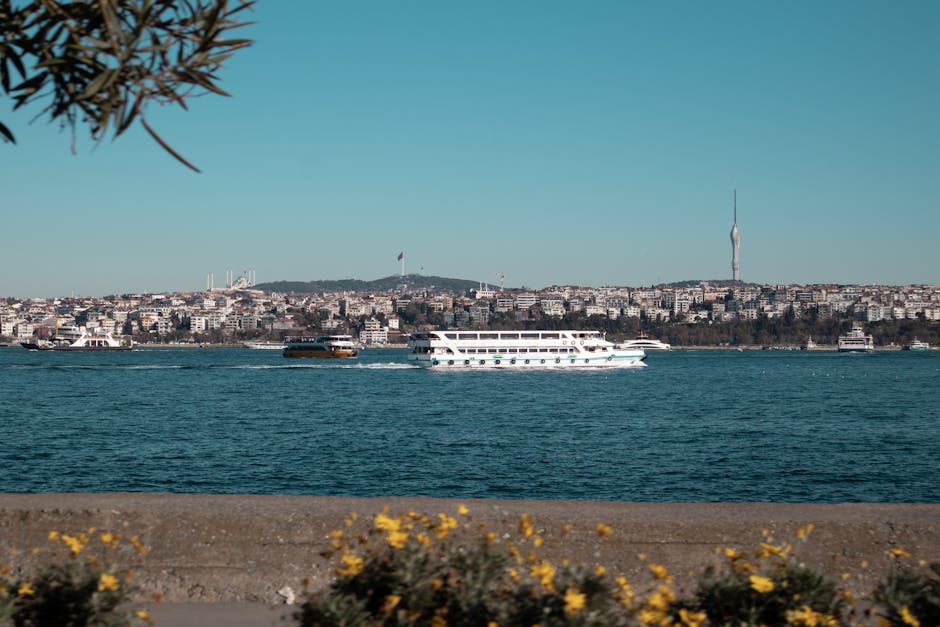
- Bosporus Cruise: A boat tour along the strait offers stunning views of palaces, fortresses, and waterfront mansions, highlighting the city’s unique geography.
Exploring Istanbul’s Historic Neighborhoods
Sultanahmet: The Heart of Old Istanbul
Sultanahmet is the historic core of Istanbul and home to most of the city’s iconic landmarks. Walking through its cobblestone streets feels like stepping back in time. Start your day at the Hippodrome, once the center of Roman and Byzantine public life, then visit the nearby Basilica Cistern—an underground marvel with Medusa-head columns. Don’t miss the Turkish and Islamic Arts Museum, which showcases exquisite carpets, calligraphy, and artifacts.
Beyoğlu and Istiklal Avenue: The Modern Pulse
Just across the Golden Horn, Beyoğlu offers a stark contrast to Sultanahmet’s ancient charm. Istiklal Avenue, a bustling pedestrian street lined with cafes, boutiques, and historic buildings, is the cultural and social hub of modern Istanbul. Ride the historic red tram along the avenue, stop by the Pera Museum for contemporary art, and enjoy a drink at a rooftop bar with panoramic city views.
Kadıköy and Üsküdar: The Asian Side
For a more local experience, cross the Bosporus to Istanbul’s Asian side. Kadıköy is known for its vibrant food scene, indie bookstores, and lively markets like the Moda Street Market. Üsküdar, with its Ottoman-era mosques and seaside promenade, offers a quieter, more residential atmosphere. Both neighborhoods provide a refreshing escape from the tourist crowds.
Getting Around Istanbul
Istanbul is a sprawling metropolis, but its public transportation system is efficient and affordable. The city offers an integrated network of metro, tram, bus, ferry, and funicular lines, all accessible with the Istanbulkart—a rechargeable smart card available at kiosks and stations.
The tram is particularly useful for tourists, as it connects major attractions in Sultanahmet and Beyoğlu. Ferries are not only practical but also scenic, offering a unique perspective of the city from the water. For longer distances, the metro is fast and reliable. Taxis and ride-sharing apps like BiTaksi are also widely available, though it’s wise to confirm the meter is running to avoid overcharging.
Walking is highly recommended in historic areas, where narrow alleys and hidden courtyards reward exploration. Just be mindful of traffic—Istanbul’s streets can be chaotic, especially during rush hour.
Where to Eat in Istanbul
Istanbul’s culinary scene is a feast for the senses. Turkish cuisine blends Central Asian, Middle Eastern, and Mediterranean influences, resulting in bold flavors and diverse dishes. Don’t leave without trying:
- Kebabs: From döner to şiş kebab, grilled meats are a staple. Try them at local spots like Hamdi Restaurant near the Spice Bazaar.
- Baklava: This sweet, flaky pastry layered with nuts and syrup is best enjoyed at historic confectioners like Karaköy Güllüoğlu.
- Meze: A selection of small dishes perfect for sharing. Head to a traditional meyhane (tavern) in Beyoğlu for an authentic experience.
- Street Food: Sample simit (sesame-crusted bread rings), balık ekmek (fish sandwiches) from Eminönü, or midye dolma (stuffed mussels).
For a fine dining experience, consider restaurants like Neolokal or Mikla, which offer modern interpretations of Turkish cuisine with stunning views. Vegetarians and vegans will find plenty of options, especially in neighborhoods like Kadıköy and Cihangir.
Shopping in Istanbul: From Bazaars to Boutiques
Shopping in Istanbul is an adventure in itself. The Grand Bazaar and Spice Bazaar are iconic destinations, but don’t overlook smaller, specialized markets. The Grand Bazaar is perfect for souvenirs, textiles, and jewelry, while the Spice Bazaar (also known as the Egyptian Bazaar) is a sensory delight with its colorful mounds of saffron, sumac, and dried fruits.
For contemporary fashion and design, explore the boutiques in Nişantaşı and Karaköy. These upscale districts feature both Turkish designers and international brands. Don’t forget to haggle—it’s expected in traditional markets and part of the fun.
Best Time to Visit Istanbul
The ideal time to visit Istanbul is during the spring (April to June) and fall (September to November), when the weather is mild and the city is less crowded. Summers can be hot and humid, with peak tourist numbers, while winters are chilly and rainy, though still manageable with proper clothing.
Special events like the Istanbul Music Festival (June) and Istanbul Biennial (September–November) add cultural richness to your visit. If you’re planning to attend religious sites, be mindful of prayer times and dress modestly, especially during Ramadan.
Safety and Practical Tips
Istanbul is generally safe for tourists, but it’s wise to stay informed and take standard precautions. Keep your belongings secure in crowded areas, avoid political demonstrations, and be cautious when using unlicensed taxis. Tap water is not recommended for drinking—opt for bottled water instead.
Learn a few basic Turkish phrases—locals appreciate the effort. “Merhaba” (hello), “Teşekkür ederim” (thank you), and “Ne kadar?” (how much?) go a long way. Most signs are in Turkish and English, and many locals, especially in tourist areas, speak some English.
Lastly, respect local customs. When visiting mosques, cover your shoulders and knees, and remove your shoes before entering. Women may be asked to cover their heads with a scarf, which is usually provided at the entrance.
Accommodation Options
Istanbul offers a wide range of accommodations to suit every budget and preference. Luxury travelers can choose from historic hotels like the Pera Palace or modern high-rises with Bosporus views. Mid-range options include boutique hotels in Sultanahmet and Beyoğlu, often housed in restored Ottoman buildings.
Budget travelers will find plenty of hostels and guesthouses, particularly in areas like Taksim and Sultanahmet. For a unique experience, consider staying in a restored Ottoman mansion (konak) or a houseboat on the Bosporus. Booking in advance is recommended, especially during peak seasons.
Day Trips from Istanbul
While Istanbul itself could easily fill a week-long itinerary, several worthwhile day trips are within easy reach:
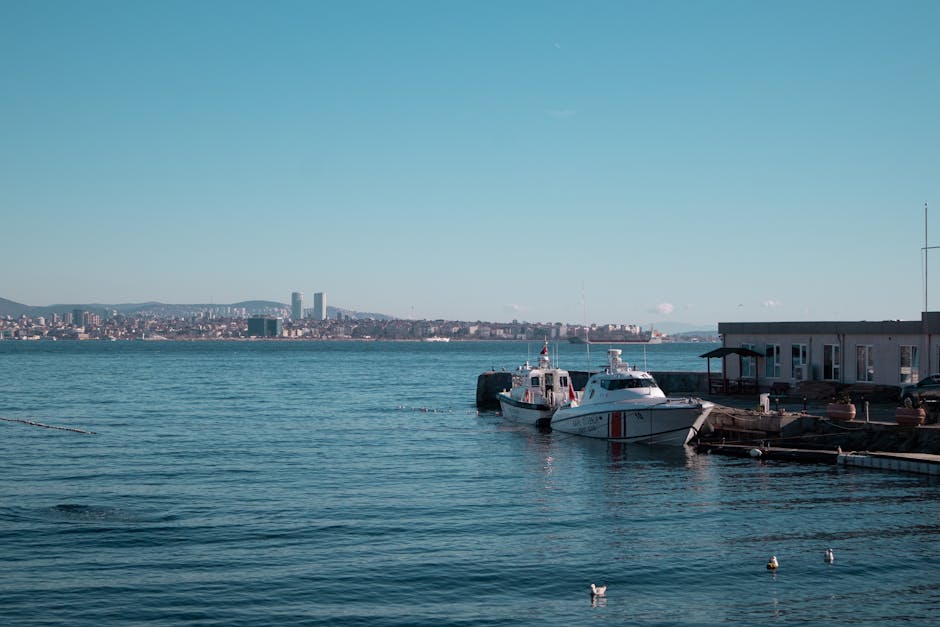
- Princes’ Islands: A car-free archipelago in the Sea of Marmara, perfect for cycling, horse-drawn carriage rides, and seaside picnics.
- Edirne: Former Ottoman capital, known for its stunning Selimiye Mosque and traditional Turkish breakfast.
- Bursa: The birthplace of the Ottoman Empire, famous for its silk markets, thermal baths, and Mount Uludağ.
These excursions offer a change of pace and deeper insight into Turkey’s history and culture.
Final Thoughts
Istanbul is a city that defies simple description. It’s ancient and modern, chaotic and serene, European and Asian—all at once. This Travel Guide to Istanbul, Turkey is designed to help you navigate its wonders with ease and confidence. Whether you’re marveling at centuries-old architecture, savoring a cup of Turkish tea by the Bosporus, or getting lost in the labyrinthine alleys of the Grand Bazaar, Istanbul promises an unforgettable journey.
With its rich heritage, warm hospitality, and endless discoveries, Istanbul isn’t just a place to visit—it’s a place to experience. So pack your bags, bring your curiosity, and get ready to fall in love with one of the world’s most captivating cities.
FAQ
Do I need a visa to visit Istanbul?
Most travelers from the U.S., Canada, the UK, and the EU can obtain an e-Visa online before arrival. The process is quick and can be completed through the official Turkish government website. Check your country’s specific requirements before traveling.
Is Istanbul safe for solo travelers?
Yes, Istanbul is generally safe for solo travelers, including women. As with any major city, it’s important to stay aware of your surroundings, avoid poorly lit areas at night, and keep your valuables secure. Many solo travelers find Istanbul welcoming and easy to navigate.
What currency is used in Istanbul?
The official currency is the Turkish Lira (TRY). While some businesses in tourist areas accept euros or U.S. dollars, it’s best to use lira for everyday transactions. ATMs are widely available, and credit cards are accepted in most hotels, restaurants, and shops.