Best Places to Visit in Plitvice Lakes National Park, Croatia
Best Places to Visit in Plitvice Lakes National Park, Croatia
Plitvice Lakes National Park, a UNESCO World Heritage Site nestled in the heart of Croatia, is one of Europe’s most breathtaking natural wonders. Renowned for its cascading turquoise lakes, lush forests, and dramatic waterfalls, this park offers visitors an unforgettable immersion into pristine wilderness. Whether you’re a nature enthusiast, a photography lover, or simply seeking a peaceful escape, the best places to visit in Plitvice Lakes National Park, Croatia promise awe-inspiring scenery and unforgettable experiences. From the Upper Lakes’ serene beauty to the thunderous roar of Veliki Slap, the park’s diverse landscapes cater to every kind of traveler. In this guide, we’ll walk you through the must-see spots, insider tips, and practical advice to help you make the most of your visit.
Why Visit Plitvice Lakes National Park?
Plitvice Lakes National Park spans over 295 square kilometers in central Croatia, making it the country’s largest national park. Established in 1949, it has long been celebrated for its unique geological and hydrological features. The park is divided into two main sections: the Upper Lakes and the Lower Lakes, connected by a network of wooden walkways, hiking trails, and shuttle boats. The lakes themselves are formed by natural travertine barriers, created over thousands of years by the deposition of calcium carbonate from the water. This process not only gives the lakes their striking colors—ranging from azure to emerald green—but also supports a rich ecosystem of flora and fauna.
Visitors come from around the globe to witness the park’s 16 terraced lakes, over 90 waterfalls, and dense woodland teeming with wildlife. The park is home to bears, wolves, deer, and over 120 species of birds, making it a haven for nature lovers and wildlife photographers alike. With its well-maintained trails, educational visitor centers, and sustainable tourism practices, Plitvice offers a model of eco-friendly travel that balances accessibility with conservation.
Top Attractions in Plitvice Lakes National Park
The Upper Lakes: A Serene Start to Your Journey
The Upper Lakes are the most visited section of the park and for good reason. This area features a series of interconnected lakes—Prošćansko Jezero, Ciginovac, Okrugljak, Batinovac, Vir, Galovac, Milanovac, and Gradinsko—each more stunning than the last. The water here is exceptionally clear, reflecting the surrounding forest like a mirror. Wooden boardwalks wind gently between the lakes, allowing visitors to walk just inches above the water while enjoying panoramic views.
One of the highlights of the Upper Lakes is the Galovac Lake viewpoint, which offers a sweeping vista of several lakes and waterfalls. It’s an ideal spot for photography, especially in the early morning when the light is soft and the crowds are thinner. The boardwalks here are wide and accessible, making this section suitable for families, seniors, and travelers with limited mobility.
The Lower Lakes: Where Waterfalls Take Center Stage
Descending from the Upper Lakes, visitors enter the Lower Lakes region, where the terrain becomes more rugged and the waterfalls more dramatic. This area includes Kozjak Lake—the largest in the park—and the famous Veliki Slap, or Great Waterfall, which plunges 78 meters into the Korana River below. The sight and sound of Veliki Slap are truly unforgettable, especially after rainfall when the water flow is at its peak.
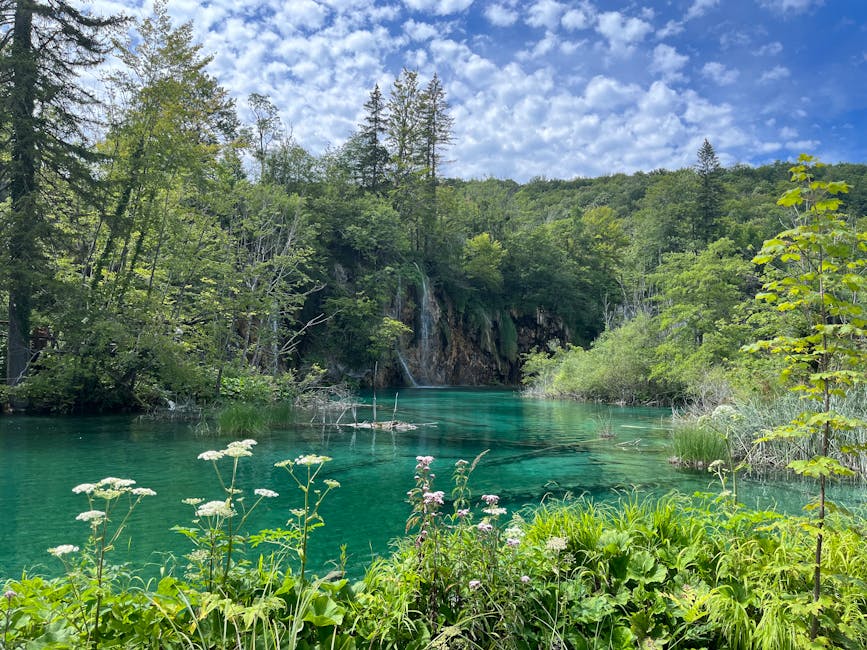
To reach the Lower Lakes, visitors can take a short shuttle boat ride across Kozjak Lake, followed by a scenic walk along the riverbank. The trail leads through dense forest and past smaller cascades like Milanovac and Galovac waterfalls. This section is slightly more challenging due to uneven terrain and stairs, but the payoff is well worth the effort. For those seeking a more immersive experience, the trail continues behind Veliki Slap, offering a unique perspective from beneath the falls.
Plitvice’s Hidden Gems: Lesser-Known Spots Worth Exploring
While the Upper and Lower Lakes draw the majority of visitors, Plitvice has several hidden gems that offer a quieter, more intimate experience. One such spot is the Šupljara Cave, located near the Lower Lakes. This small limestone cave provides a cool respite on hot days and a glimpse into the park’s geological history. Another lesser-known trail leads to the Kozjak Lake viewpoint from the south side, offering a different angle of the lake and surrounding forest—perfect for those who want to avoid the main crowds.
For the adventurous, the park offers several longer hiking routes, including Route H and Route K, which take you deeper into the forest and offer opportunities to spot wildlife. These trails are less traveled and provide a sense of solitude that’s hard to find in more popular areas. Just remember to wear sturdy footwear and carry water, as these paths can be steep and rugged.
Best Times to Visit Plitvice Lakes National Park
Timing your visit can greatly enhance your experience at Plitvice Lakes National Park. The park is open year-round, but each season offers a unique perspective:
- Spring (April–June): This is one of the best times to visit, as the water levels are high from snowmelt, making the waterfalls especially powerful. The forest is lush and green, and the weather is mild. However, this is also peak tourist season, so expect larger crowds.
- Summer (July–August): Warm weather and long days make summer ideal for hiking and photography. However, this is the busiest time of year, and the park can become quite crowded, especially on weekends. Arrive early to secure parking and avoid long lines at the entrance.
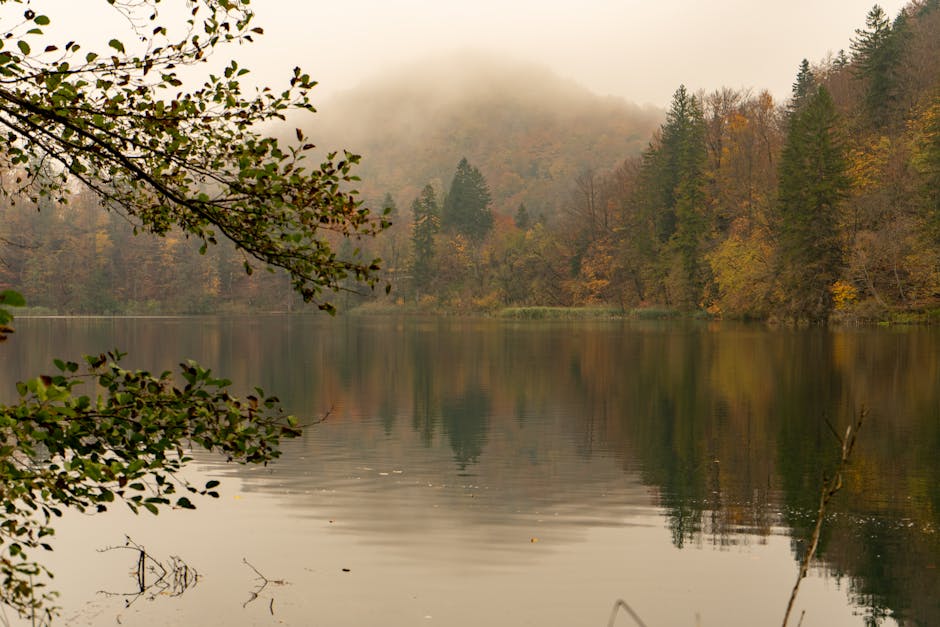
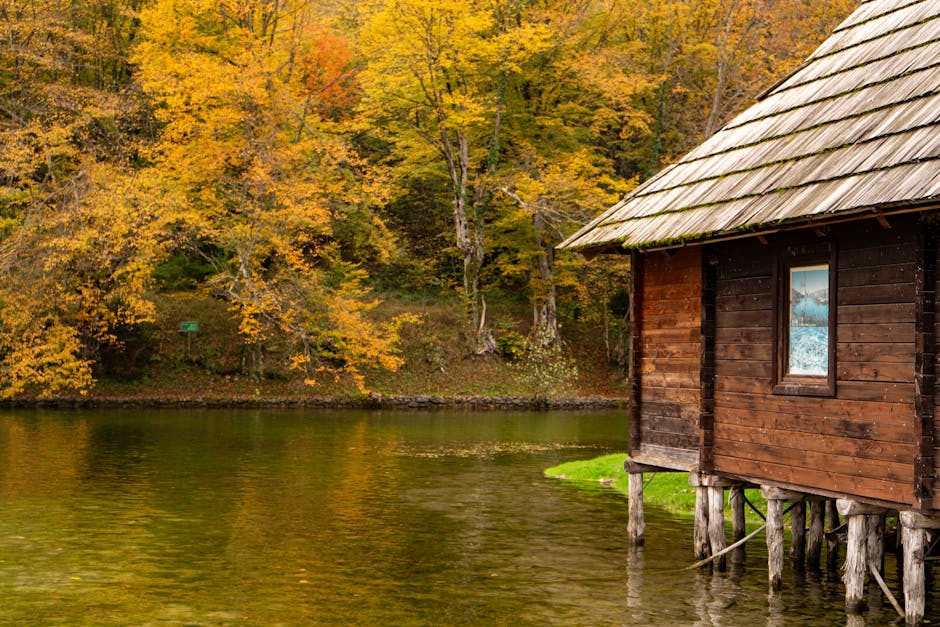
- Autumn (September–October): Fall brings stunning foliage, with the forest turning vibrant shades of gold, orange, and red. The crowds begin to thin after September, and the weather remains pleasant. This is a favorite time for photographers and nature lovers.
- Winter (November–March): While some trails may be closed due to snow and ice, winter offers a magical, snow-covered landscape. The frozen waterfalls and quiet trails create a serene atmosphere, though access may be limited. Winter visits require proper clothing and caution on slippery paths.
How to Get the Most Out of Your Visit
To fully enjoy the best places to visit in Plitvice Lakes National Park, Croatia, planning ahead is essential. Here are some practical tips to enhance your trip:
Start your visit early—ideally right when the park opens at 7:00 AM. This allows you to beat the crowds and enjoy the lakes in peaceful solitude. Purchase your tickets online in advance to avoid long queues at the entrance. The park offers several ticket options, including single-entry and multi-day passes, so choose the one that fits your itinerary.
Wear comfortable, waterproof footwear, as the wooden boardwalks can be slippery, especially when wet. Dress in layers, as temperatures can vary significantly between the forested areas and open lakes. Bring a reusable water bottle, snacks, and a camera with extra batteries—there are limited facilities once you’re on the trails.
Follow the designated paths and respect the park’s rules. Swimming is prohibited in the lakes to protect the delicate ecosystem, and drones are not permitted without special permission. Stay on marked trails to avoid disturbing wildlife and damaging the travertine formations.
If you’re visiting during peak season, consider purchasing a guided tour. Knowledgeable guides can provide fascinating insights into the park’s geology, history, and wildlife, enriching your experience. Many tours also include transportation from nearby cities like Zagreb or Zadar, making logistics easier.
Sustainable Travel at Plitvice Lakes
As one of Croatia’s most visited natural sites, Plitvice Lakes National Park faces challenges related to overtourism. To preserve its beauty for future generations, the park has implemented several sustainable practices. These include limiting daily visitor numbers, promoting eco-friendly transportation (such as electric shuttle buses and boats), and encouraging responsible behavior among guests.
Travelers can contribute by minimizing waste, avoiding single-use plastics, and supporting local businesses. Consider staying in nearby eco-lodges or family-run guesthouses that prioritize sustainability. By traveling mindfully, you help ensure that Plitvice remains a pristine destination for years to come.
Nearby Attractions Worth Exploring
While Plitvice Lakes National Park is a destination in itself, the surrounding region offers additional attractions for those with extra time. Just a short drive away, you’ll find the historic town of Rastoke, often called the “small Plitvice” for its charming watermills and cascading streams. This picturesque village provides a glimpse into traditional Croatian rural life and makes for a lovely half-day trip.
For history buffs, the city of Karlovac, located about 50 kilometers west of the park, features a star-shaped fortress and a charming old town. Nature lovers might also enjoy a visit to the nearby Mrežnica River, known for its clear waters and scenic gorges, perfect for kayaking and swimming.
Final Thoughts
Plitvice Lakes National Park is more than just a tourist destination—it’s a natural treasure that captivates the soul. From the shimmering lakes of the Upper Lakes to the thunderous power of Veliki Slap, every corner of the park tells a story of geological wonder and ecological harmony. Whether you’re strolling along the boardwalks, hiking through ancient forests, or simply pausing to take in the view, the best places to visit in Plitvice Lakes National Park, Croatia offer an experience that’s both humbling and exhilarating.
With careful planning and a spirit of adventure, your visit to Plitvice can be one of the highlights of your Croatian journey. Respect the environment, embrace the tranquility, and let the park’s natural beauty leave a lasting impression.
FAQ
Q: How much time should I allocate for a visit to Plitvice Lakes National Park?
A: Most visitors spend between 4 to 6 hours exploring the park. To fully experience both the Upper and Lower Lakes, including a boat ride and waterfall hike, plan for a full day. If you’re short on time, focus on the Upper Lakes and Kozjak Lake, which can be covered in 3–4 hours.
Q: Are there dining options inside the park?
A: Yes, there are several cafes and restaurants near the entrances and at Kozjak Lake. However, options are limited and can be pricey. Many visitors prefer to bring their own snacks and picnic along the trails or at designated areas.
Q: Is Plitvice Lakes National Park accessible for people with mobility issues?
A: Parts of the park, especially the Upper Lakes, are accessible via flat, well-maintained boardwalks and shuttle services. However, the Lower Lakes involve stairs and uneven terrain, which may be challenging for those with limited mobility. Wheelchair-accessible routes are available, but it’s best to check with park staff upon arrival for the most up-to-date information.