
Best Safe Destinations for Women in Japan
Best Safe Destinations for Women in Japan
Japan consistently ranks among the safest countries in the world for travelers, and this is especially true for solo female travelers. With low crime rates, efficient public transportation, and a culture rooted in respect and order, Japan offers a welcoming environment for women exploring its cities, countryside, and cultural landmarks. Whether you’re planning a solo adventure or traveling with friends, knowing the best safe destinations for women in Japan can enhance your confidence and enrich your experience. From bustling metropolises to serene mountain towns, Japan blends modern convenience with timeless tradition—making it an ideal destination for women seeking safety, beauty, and authenticity.
Why Japan Is a Top Choice for Female Travelers
Japan’s reputation for safety is backed by statistics and real-world experiences. According to the Global Peace Index, Japan consistently ranks as one of the most peaceful nations globally. Violent crime is extremely rare, and even petty theft is uncommon in most areas. Public spaces are well-lit, clean, and monitored, and the Japanese value harmony (wa), which translates into polite and considerate behavior in public.
For women traveling alone, this cultural emphasis on respect means that harassment is minimal compared to many Western countries. Train stations, parks, and shopping districts are generally safe at all hours. Additionally, Japan’s efficient and reliable public transportation system makes it easy to navigate cities without relying on taxis or ride-sharing services late at night.
Another advantage is the widespread availability of women-only spaces. Many train cars, especially during rush hour, are designated for women and children. Hostels and hotels often offer female-only dorms or floors, providing added comfort and security. These thoughtful accommodations reflect Japan’s commitment to inclusivity and safety for all travelers.
Top Safe Cities for Women in Japan
While much of Japan is safe, certain cities stand out for their combination of accessibility, cultural richness, and traveler-friendly infrastructure. Below are some of the best safe destinations for women in Japan, each offering unique experiences while maintaining high standards of security and comfort.
Tokyo: A Vibrant and Secure Metropolis
As Japan’s capital and largest city, Tokyo is a dynamic hub of innovation, fashion, and tradition. Despite its size, Tokyo is remarkably safe, with low crime rates and a highly organized urban environment. Neighborhoods like Shibuya, Shinjuku, and Ginza are popular with tourists and well-patrolled, making them ideal for solo female travelers.
Tokyo’s public transportation system is one of the best in the world. The subway and JR lines run frequently and are safe to use at night. Stations are clearly marked in English, and staff are generally helpful. For added peace of mind, many train lines have women-only cars during peak hours.
Women traveling alone will appreciate Tokyo’s abundance of cafes, bookstores, and quiet parks where they can relax. Areas like Yanaka and Kagurazaka offer a more traditional atmosphere with narrow streets, temples, and artisan shops—perfect for a peaceful stroll.
Kyoto: Culture, Calm, and Safety
Known for its temples, gardens, and preserved historic districts, Kyoto is a favorite among travelers seeking a deeper connection to Japanese culture. The city is exceptionally safe, with a strong police presence and a community-oriented atmosphere.
Kyoto’s compact size makes it easy to explore on foot or by bicycle. Many of the city’s top attractions, such as Fushimi Inari Shrine, Kinkaku-ji (Golden Pavilion), and Arashiyama Bamboo Grove, are located in well-maintained areas with clear signage and tourist support services.
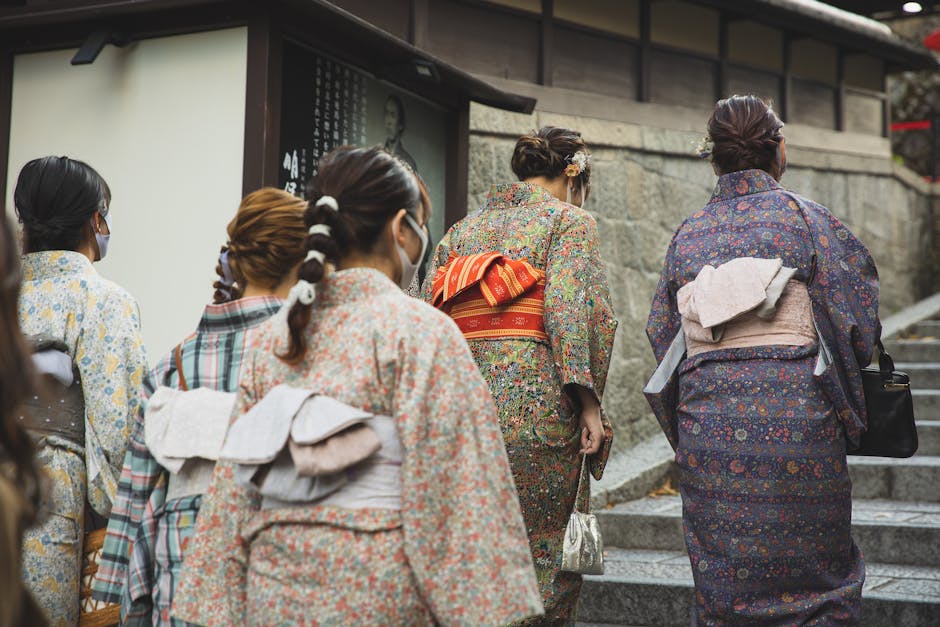
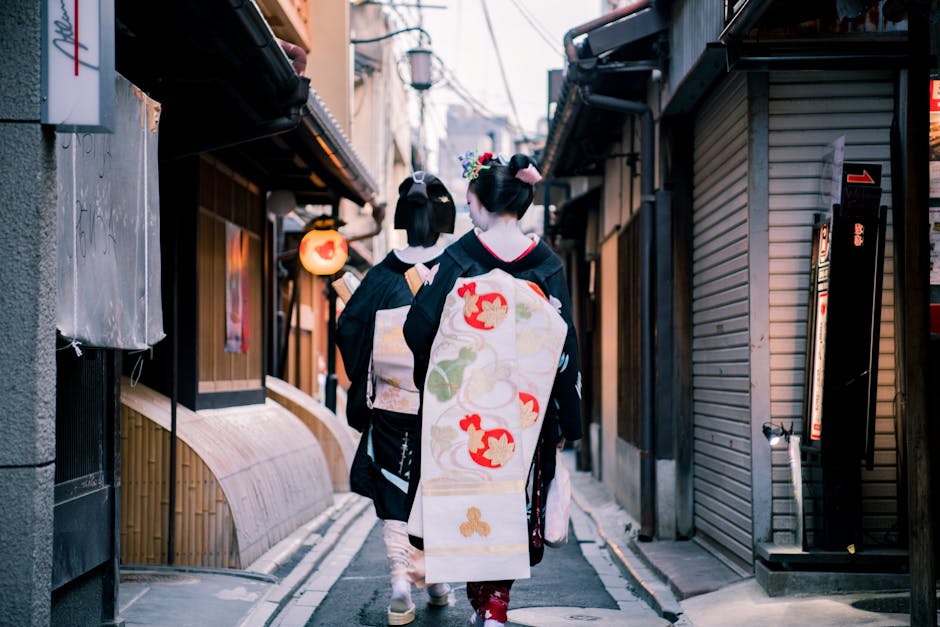
For female travelers, Kyoto offers a range of accommodations, from traditional ryokans with female-friendly amenities to modern hotels with 24-hour reception. The city also has a growing number of women-led tours and cultural experiences, such as tea ceremony classes and kimono rentals, providing safe and enriching ways to engage with local traditions.
Osaka: Friendly, Fun, and Secure
Osaka is often described as Japan’s more laid-back and food-loving cousin to Tokyo. Known for its friendly locals, vibrant street food scene, and lively nightlife, Osaka is also one of the safest major cities in Japan.
The city’s main districts—Dotonbori, Namba, and Umeda—are bustling but well-monitored, with plenty of police patrols and security cameras. Women can confidently explore Osaka’s markets, restaurants, and entertainment venues without concern.
Osaka is also well-connected by train and subway, with English signage and helpful station staff. The city’s compact layout means that most attractions are within easy reach, reducing the need for late-night travel.
Hiroshima: Peaceful and Reflective
Hiroshima is a city defined by resilience and peace. As the site of the first atomic bombing, it has transformed into a powerful symbol of hope and reconciliation. Today, it is one of the safest and most welcoming cities in Japan.
Female travelers will find Hiroshima easy to navigate, with a clean and efficient tram system and a strong emphasis on hospitality. The Peace Memorial Park and Museum are must-visit sites, offering profound insights into history and human rights.
The nearby island of Miyajima, accessible by a short ferry ride, is another highlight. Known for its iconic floating torii gate and scenic hiking trails, Miyajima is peaceful and safe, with well-marked paths and rest areas.
Safety Tips for Women Traveling in Japan
While Japan is inherently safe, it’s always wise to take basic precautions to ensure a smooth and secure trip. Here are some practical tips for women traveling in Japan:
- Keep your belongings secure: While pickpocketing is rare, always keep your bag zipped and close to your body, especially in crowded areas like train stations and festivals.
- Use women-only accommodations: Many hostels and hotels offer female-only dorms or floors. These spaces provide added comfort and security, especially for first-time solo travelers.
- Learn basic Japanese phrases: While many people in tourist areas speak some English, knowing simple phrases like “sumimasen” (excuse me) or “arigatou gozaimasu” (thank you) can go a long way in building rapport.
- Stay connected: Rent a pocket Wi-Fi or purchase a SIM card upon arrival to stay connected. Google Maps works well in Japan and can help you navigate even the most complex train systems.
- Trust your instincts: If a situation feels uncomfortable, remove yourself from it. Japanese people are generally respectful, but it’s always okay to seek help or move to a more public area.
Cultural Etiquette to Enhance Your Experience
Understanding Japanese customs can help you feel more at ease and show respect for local traditions. While Japan is modern and welcoming to tourists, observing cultural norms can deepen your connection to the country.
For example, it’s customary to bow slightly when greeting someone or expressing thanks. Shoes are removed before entering homes, traditional inns (ryokans), and some restaurants. Tipping is not practiced in Japan and can even be considered rude.
Public behavior is generally quiet and orderly. Speaking loudly on trains or in restaurants is frowned upon. When using public restrooms, especially in older buildings, you may find squat toilets—practice makes perfect!
Dressing modestly is appreciated, especially when visiting temples or shrines. While Japan is fashion-forward, covering shoulders and knees in religious sites shows respect.
Transportation Safety and Convenience
Japan’s transportation network is a model of efficiency and safety. The Shinkansen (bullet train), local trains, and subways are punctual, clean, and secure. Stations are well-lit and staffed, and lost travelers can easily find help at information counters.
For women traveling at night, most urban areas remain safe, but it’s still advisable to stick to main streets and avoid poorly lit alleys. Taxis are reliable and safe, though they can be expensive. Many drivers do not speak English, so having your destination written in Japanese can be helpful.
Rental bikes are available in many cities and are a great way to explore at your own pace. Just be sure to follow traffic rules and lock your bike securely.
Accommodation Options for Female Travelers
Japan offers a wide range of accommodations to suit every budget and preference. For women seeking safety and comfort, consider the following options:
Business Hotels: Affordable, clean, and often located near train stations. Many offer single rooms with private bathrooms and 24-hour reception.
Ryokans: Traditional inns that provide a cultural experience. Look for ryokans with female-friendly policies, such as women-only bathing times or private rooms.
Hostels: Budget-friendly and social, many hostels now offer female-only dorms. Check reviews on platforms like Hostelworld or Booking.com to find highly rated options.
Capsule Hotels: A unique Japanese experience, some capsule hotels now offer women-only floors. These are ideal for short stays and provide privacy in a compact space.
Seasonal Considerations for Safe Travel
Japan’s four distinct seasons each offer unique travel experiences, but safety considerations can vary slightly depending on the time of year.
In spring (March to May), cherry blossom season draws large crowds. While this is a beautiful time to visit, popular spots can be crowded. Stick to well-known paths and avoid isolated areas during peak bloom.
Summer (June to August) brings hot, humid weather and the rainy season (tsuyu) in June and early July. Stay hydrated, use sunscreen, and carry an umbrella. Typhoons can occur in late summer, so monitor weather reports.
Autumn (September to November) is ideal for travel, with mild weather and stunning fall foliage. This is a safe and comfortable time to explore both cities and rural areas.
Winter (December to February) is cold, especially in northern regions like Hokkaido. Dress warmly and be cautious of icy sidewalks. Onsen (hot springs) are especially popular in winter and are generally safe and welcoming for women.
Final Thoughts: Confidence and Curiosity
Traveling as a woman in Japan is not only safe—it’s empowering. The country’s blend of modern infrastructure, cultural depth, and genuine hospitality creates an environment where women can explore with confidence and curiosity. Whether you’re wandering through Tokyo’s neon-lit streets, meditating in a Kyoto temple, or enjoying street food in Osaka, Japan offers endless opportunities for discovery.
By choosing the best safe destinations for women in Japan and following a few simple guidelines, you can focus on what truly matters: experiencing the beauty, kindness, and wonder of this remarkable country.
FAQ
Is Japan safe for solo female travelers?
Yes, Japan is widely regarded as one of the safest countries in the world for solo female travelers. Low crime rates, respectful culture, and excellent public infrastructure contribute to a secure environment.
Are there women-only spaces in Japan?
Yes, many train cars during rush hour are designated for women and children. Additionally, numerous hostels, hotels, and onsen offer women-only accommodations or bathing times.
What should I do if I feel unsafe in Japan?
If you ever feel uncomfortable, move to a well-lit, public area and seek help from police, station staff, or hotel personnel. Japanese people are generally very helpful to tourists in need.