Hidden Gems in Slovenia: Discover the Country’s Best-Kept Secrets
Hidden Gems in Slovenia: Discover the Country’s Best-Kept Secrets
When most travelers think of Slovenia, they picture the emerald waters of Lake Bled, the dramatic peaks of the Julian Alps, or the charming streets of Ljubljana. While these destinations are undoubtedly stunning, Slovenia is also home to a wealth of hidden gems that remain largely off the tourist radar. From secluded alpine valleys and forgotten medieval villages to tranquil lakes and underground cave systems, these lesser-known spots offer authentic experiences and breathtaking scenery without the crowds. Whether you’re a nature lover, history enthusiast, or simply seeking tranquility, exploring the hidden gems in Slovenia can transform your trip into a truly unforgettable adventure.
Why Seek Out Slovenia’s Hidden Gems?
Slovenia may be one of Europe’s smallest countries, but it packs a powerful punch in terms of natural beauty and cultural richness. While popular destinations draw thousands of visitors each year, venturing beyond the beaten path allows travelers to experience the country’s true essence. These hidden gems offer a more intimate connection with local culture, unspoiled landscapes, and a slower pace of life. Plus, visiting lesser-known areas supports sustainable tourism by distributing visitor impact more evenly across the country.
Moreover, many of these locations are accessible with a bit of planning and a sense of adventure. Whether you’re hiking through remote forests, cycling along quiet country lanes, or exploring ancient ruins, the rewards are well worth the effort. The sense of discovery—finding a pristine waterfall tucked behind a forest trail or stumbling upon a family-run tavern serving traditional dishes—adds a layer of authenticity that mass tourism often lacks.
Top Hidden Gems in Slovenia Worth Exploring
From the mountainous north to the sun-drenched coast, Slovenia’s hidden treasures are scattered across diverse regions. Below are some of the most captivating yet under-the-radar destinations that deserve a spot on your itinerary.
1. Logar Valley (Logarska Dolina)
Nestled in the Kamnik-Savinja Alps, the Logar Valley is Slovenia’s only glacial valley and a true sanctuary of peace. Surrounded by towering peaks and lush meadows, this protected landscape offers some of the country’s most serene hiking trails. The valley is crisscrossed by gentle streams and dotted with wildflowers in spring and summer. A visit here feels like stepping into a postcard—especially at sunrise, when the light bathes the meadows in golden hues.
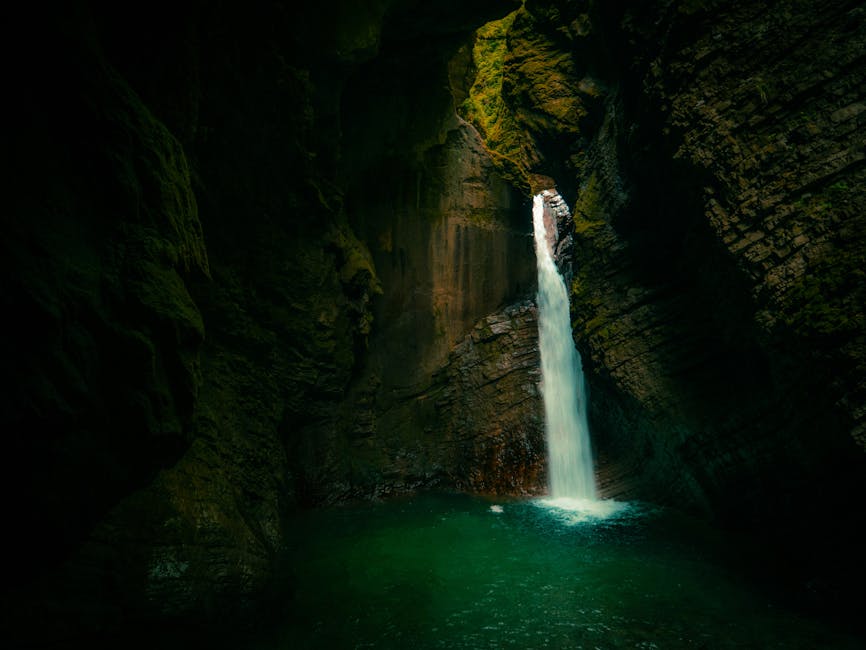
One of the valley’s highlights is the Rinka Waterfall, a 90-meter cascade that tumbles down a rocky cliff into a crystal-clear pool. The hike to the waterfall is moderate and suitable for most fitness levels, making it accessible to families and casual hikers alike. For those seeking a longer adventure, the trail continues into the neighboring Robanov Valley, offering panoramic views of the surrounding mountains.
2. Škocjan Caves
While the more famous Postojna Cave draws large crowds, the Škocjan Caves remain a quieter, equally impressive alternative. Located in the Karst region, this UNESCO World Heritage site features one of the largest underground canyons in the world. The Reka River flows through the cave system, carving out vast chambers and creating a dramatic subterranean landscape.
Visitors can explore well-maintained walkways that wind through the caves, passing beneath towering rock formations and crossing bridges over rushing underground rivers. The acoustics inside the Great Hall are so remarkable that the cave has even hosted classical music concerts. Guided tours provide fascinating insights into the geology and ecology of the area, making it a must-visit for nature and science enthusiasts.
3. Kobarid and the Soča Valley
While the Soča River is known among outdoor adventurers, the town of Kobarid and its surrounding valley remain underappreciated by mainstream tourism. Set against the backdrop of the Julian Alps, Kobarid is a charming historic town with a rich World War I heritage. The Kobarid Museum offers a moving and comprehensive look at the Battles of the Isonzo, which took place in this region between Italy and Austria-Hungary.
Beyond history, the Soča Valley is a paradise for outdoor activities. The emerald-green Soča River is ideal for kayaking, rafting, and fly fishing. Hiking trails lead to panoramic viewpoints, such as the Kolovrat Ridge, where you can see the entire valley spread out beneath you. In summer, the area comes alive with wildflowers and the sound of rushing water, creating a peaceful retreat far from urban noise.
4. Lake Jasna
Tucked away near the town of Kranjska Gora, Lake Jasna is a serene alpine lake that offers stunning reflections of the surrounding peaks. Unlike Lake Bled, which can get crowded, Lake Jasna remains quiet and unspoiled. The lake is surrounded by pine forests and features a small pebble beach, making it perfect for a peaceful swim or a picnic.
A short walk from the lake leads to the Vršič Pass, the highest mountain pass in Slovenia. The scenic drive up the pass—complete with 50 hairpin turns—is an adventure in itself, but hiking from Lake Jasna offers a more immersive experience. The trail winds through meadows and forests, with opportunities to spot wildlife and enjoy sweeping views of the Julian Alps.
5. Ptuj and the Drava River
In eastern Slovenia, the historic town of Ptuj sits along the Drava River and is one of the country’s oldest settlements. While not entirely unknown, Ptuj is often overlooked in favor of more famous destinations. Its medieval old town features a well-preserved castle, cobblestone streets, and traditional architecture that transports visitors back in time.
The Drava River offers excellent opportunities for cycling and kayaking, with flat, scenic routes that are perfect for families. In winter, Ptuj hosts one of Slovenia’s most vibrant carnival celebrations, the Kurentovanje, where locals dress in elaborate costumes and parade through the streets to chase away winter. Visiting during this festival provides a unique cultural experience that few international travelers witness.
How to Plan Your Journey to Slovenia’s Hidden Gems
Exploring Slovenia’s hidden gems requires a bit more planning than visiting mainstream attractions, but the effort pays off in spades. Here are some practical tips to help you make the most of your trip:
- Travel in shoulder seasons: Spring (April–June) and early autumn (September–October) offer pleasant weather, fewer crowds, and lower prices. These periods are ideal for hiking, cycling, and exploring rural areas.
- Rent a car: Public transportation in rural Slovenia can be limited. Renting a car gives you the freedom to reach remote destinations like Logar Valley or Lake Jasna at your own pace.
- Check local tourism offices: Many small towns have visitor centers that provide maps, trail information, and recommendations for local guides or accommodations.
- Pack for variable weather: Even in summer, mountain areas can be cool, especially at higher elevations. Bring layers, sturdy footwear, and rain gear.
- Respect nature and local customs: Many of these hidden gems are in protected areas or small communities. Follow Leave No Trace principles, stay on marked trails, and be mindful of local residents.
Sustainable Travel: Preserving Slovenia’s Hidden Treasures
As more travelers seek authentic experiences, the popularity of Slovenia’s hidden gems is slowly growing. While this increased interest brings economic benefits to local communities, it also poses challenges for conservation and cultural preservation. Sustainable travel practices are essential to ensure these destinations remain unspoiled for future generations.
When visiting remote areas, choose locally owned accommodations, eat at family-run restaurants, and support small businesses. Avoid single-use plastics, carry reusable water bottles, and dispose of waste properly. Stick to designated trails to prevent erosion and protect fragile ecosystems. By traveling responsibly, you help maintain the very qualities that make these hidden gems so special.
Final Thoughts: Embrace the Unexpected
Slovenia’s charm lies not only in its famous landmarks but also in the quiet moments of discovery found in its hidden corners. Whether you’re standing beneath a roaring waterfall in the Logar Valley, tracing the footsteps of history in Kobarid, or sipping wine in a sun-drenched vineyard near Ptuj, these experiences create lasting memories. The hidden gems in Slovenia offer a chance to slow down, connect with nature, and experience the country in a more personal way.
So, the next time you plan a trip to Slovenia, consider stepping off the well-trodden path. Pack your sense of adventure, bring a curious spirit, and let the country’s best-kept secrets reveal themselves to you. You might just find that the most rewarding moments of your journey happen in places no guidebook could ever fully capture.
FAQ
Q: Are Slovenia’s hidden gems safe for solo travelers?
A: Yes, Slovenia is considered one of the safest countries in Europe, with low crime rates and a welcoming attitude toward tourists. Most hidden gems are in rural or natural areas that are well-maintained and accessible. As with any travel, it’s wise to stay informed, let someone know your plans, and carry a charged phone.
Q: Do I need to speak Slovene to visit these remote locations?
A: While Slovene is the official language, many locals in tourist areas speak English, especially younger people and those in the hospitality industry. In more remote villages, communication may be more challenging, but a smile, basic phrases, and a translation app can go a long way.
Q: Can I visit these hidden gems without a car?
A: Some destinations, like Lake Jasna or Kobarid, are accessible by public transport, though services may be infrequent. For the most flexibility—especially in areas like Logar Valley or the Škocjan Caves—renting a car is highly recommended. Alternatively, consider joining small-group tours that focus on off-the-beaten-path experiences.