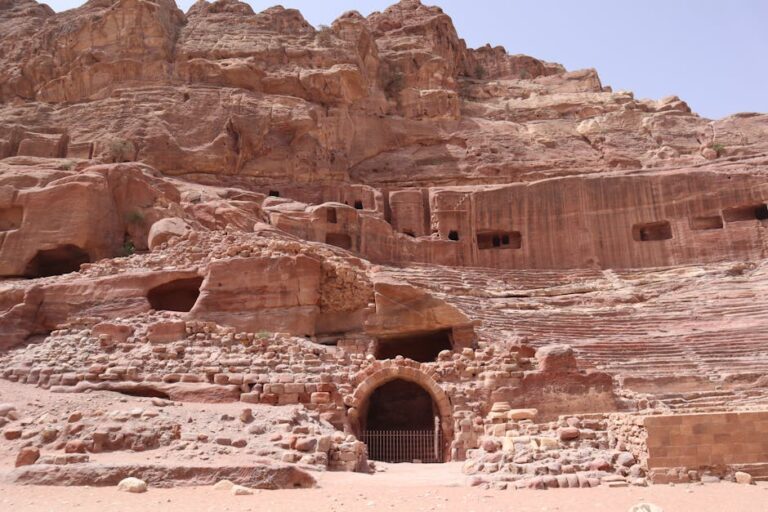
Most Underrated Places in Bosnia and Herzegovina
Most Underrated Places in Bosnia and Herzegovina
When travelers think of Bosnia and Herzegovina, iconic destinations like Sarajevo, Mostar, and the Kravice Waterfalls often come to mind. While these spots are undeniably stunning, they’ve become increasingly popular—sometimes at the expense of the country’s quieter, equally beautiful hidden gems. If you’re seeking authentic experiences, breathtaking landscapes, and rich cultural heritage without the crowds, it’s time to explore the most underrated places in Bosnia and Herzegovina. From forgotten mountain villages to serene lakes and historic towns off the beaten path, this Balkan nation holds countless treasures waiting to be discovered by curious travelers.
Why Bosnia and Herzegovina Deserves a Closer Look
Bosnia and Herzegovina is a country of dramatic contrasts—where Ottoman-era architecture meets Austro-Hungarian grandeur, and where rugged mountains give way to lush river valleys. Despite its compact size, the country boasts a diverse range of natural and cultural attractions. Yet, much of its charm remains under the radar for international tourists. This under-the-radar status is precisely what makes it such a rewarding destination for those willing to venture beyond the guidebooks.
The country’s tourism infrastructure has improved significantly in recent years, with better roads, guesthouses, and guided tours making remote areas more accessible. However, many of the most underrated places in Bosnia and Herzegovina still retain their unspoiled character. Whether you’re a history buff, nature lover, or simply in search of peace and quiet, these lesser-known destinations offer a deeper, more personal connection to the heart of the Balkans.
Top Underrated Destinations You Should Visit
1. Blagaj – The Spiritual Oasis by the Buna River
Nestled at the source of the Buna River, just a short drive from Mostar, Blagaj is a tranquil village that blends natural beauty with spiritual significance. At its center stands the Blagaj Tekke, a 16th-century Dervish monastery built into a cliff face overlooking the river. This Sufi lodge is one of the most important Islamic heritage sites in the country and offers a peaceful retreat from the bustle of nearby cities.
What makes Blagaj truly special is its harmony between nature and architecture. The crystal-clear waters of the Buna spring from a karst cave, creating a mesmerizing backdrop for the tekke. Visitors can take a quiet stroll along the riverbank, enjoy a traditional Bosnian meal at one of the riverside restaurants, or simply sit in contemplation by the water. Despite its proximity to Mostar, Blagaj remains relatively uncrowded, especially in the early morning or late afternoon.
2. Jajce – The Town of Waterfalls and Royal History
Tucked away in central Bosnia, Jajce is a historic town that often gets overlooked in favor of more famous destinations. Yet, it boasts a unique combination of natural beauty and historical significance. The town is best known for its stunning waterfall, where the Pliva River cascades directly through the historic center—a rare sight in Europe.
Jajce was once the capital of the medieval Bosnian Kingdom and played a pivotal role in the region’s history. The ruins of the Jajce Fortress offer panoramic views of the town and surrounding hills, while the nearby Pliva Lakes provide opportunities for kayaking, fishing, and hiking. The town also hosts the annual Jajce Summer Festival, celebrating music, theater, and local culture.
For travelers interested in offbeat history, Jajce is a must-visit. It’s also a great base for exploring the surrounding Una National Park and the traditional wooden watermills of the Pliva region.
3. Počitelj – The Medieval Hilltop Gem
Perched on a rocky hill overlooking the Neretva River, Počitelj is a beautifully preserved Ottoman-era village that feels like stepping back in time. With its cobblestone streets, stone houses, and a striking clock tower, the village is a photographer’s dream and a haven for history enthusiasts.
Počitelj was once a fortified town and played a strategic role in the region’s defense. Today, it’s a peaceful retreat where visitors can wander through narrow alleys, visit the restored Hafizuddin Mosque, and enjoy tea at a traditional konak (guesthouse). The village is also home to an artist colony, adding a creative flair to its historic charm.
One of the best times to visit is during the Počitelj Summer Festival, when the village comes alive with music, art exhibitions, and cultural performances. Despite its beauty, Počitelj remains one of the most underrated places in Bosnia and Herzegovina, often bypassed by tourists heading straight to Mostar.
4. Sutjeska National Park – Wilderness and War History Combined
For nature lovers and history buffs alike, Sutjeska National Park offers an unforgettable experience. As the oldest national park in Bosnia and Herzegovina, it’s home to the country’s highest peak, Maglić (2,386 meters), and the pristine Perućica Forest—one of the last remaining primeval forests in Europe.
The park is also steeped in WWII history. The Battle of Sutjeska, one of the most significant confrontations in Yugoslav resistance history, took place here in 1943. A memorial complex and museum honor the soldiers who fought and died in the rugged terrain. Hiking trails lead through dense forests, alpine meadows, and along the clear waters of the Sutjeska River.
Whether you’re summiting Maglić, exploring the silent depths of Perućica, or paying respects at the war memorial, Sutjeska offers a profound connection to both nature and history. It’s a destination that rewards those who venture off the main tourist routes.
5. Lukomir – The Highest and Most Remote Village
If you’re seeking solitude and breathtaking mountain views, Lukomir is the place to go. Located in the Bjelašnica mountain range, near the famous Olympic slopes of Sarajevo, Lukomir is the highest and most remote village in Bosnia and Herzegovina. At an altitude of over 1,400 meters, it’s accessible only by foot or 4×4 vehicle, especially in winter when snow blocks the roads.
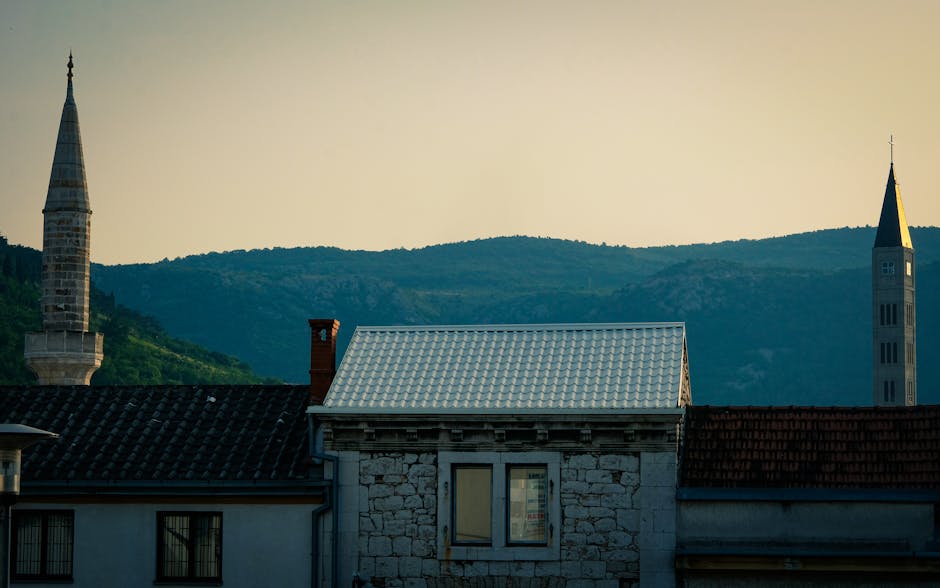
The village is a living museum of traditional Bosnian architecture, with stone houses featuring distinctive wooden roofs. The local community maintains age-old customs, including sheep herding and wool weaving. Visitors can stay in a guesthouse, enjoy homemade dairy products, and hike to the nearby Rakitnica Canyon—one of the deepest canyons in the Balkans.
Lukomir offers a rare glimpse into rural Bosnian life, untouched by mass tourism. It’s a destination for the adventurous traveler who values authenticity and natural beauty over convenience.
Hidden Natural Wonders Worth Exploring
Beyond historic towns and mountain villages, Bosnia and Herzegovina is home to numerous natural wonders that remain largely undiscovered by international tourists. These sites offer serene landscapes, unique ecosystems, and opportunities for outdoor adventure.
- Una National Park: Known for its turquoise rivers, cascading waterfalls, and rich biodiversity. Perfect for rafting, hiking, and birdwatching.
- Veliko Blato Wetland: A protected area near Ljubuški, ideal for nature photography and observing migratory birds.
- Skakavac Waterfall: Located near Sarajevo, this 98-meter waterfall is accessible via a scenic forest trail and is especially beautiful in spring.
- Vjetrenica Cave: Situated in the Popovo Polje region, this cave system is renowned for its unique fauna, including the olm—a rare blind salamander.
Cultural and Culinary Delights Off the Beaten Path
Traveling through the most underrated places in Bosnia and Herzegovina isn’t just about sightseeing—it’s also an opportunity to experience authentic local culture and cuisine. In smaller towns and villages, you’ll find family-run restaurants serving traditional dishes made with locally sourced ingredients.
Try ćevapi (grilled minced meat) in a rural konak, savor burek fresh from a wood-fired oven, or sample rakija (fruit brandy) offered by a welcoming host. Many villages also host seasonal festivals celebrating harvests, religious holidays, or local crafts, providing a genuine window into Bosnian life.
Artisans in places like Počitelj and Jajce continue to practice traditional crafts such as copperwork, weaving, and woodcarving. Purchasing handmade souvenirs directly from creators supports the local economy and preserves cultural heritage.
Practical Tips for Traveling to Underrated Destinations
Exploring lesser-known areas in Bosnia and Herzegovina requires a bit of planning, but the rewards are well worth the effort. Here are some practical tips to help you make the most of your journey:
First, consider renting a car. Public transportation to remote areas can be limited, and having your own vehicle gives you the freedom to explore at your own pace. Roads in rural areas are generally in good condition, but some mountain passes may be narrow or unpaved.
Second, learn a few basic phrases in Bosnian. While many people in tourist areas speak English, knowing simple greetings and expressions can go a long way in building rapport with locals.
Third, be mindful of seasonal conditions. Some destinations, like Lukomir, are inaccessible in winter due to snow. Spring and early autumn are ideal times to visit, offering pleasant weather and fewer crowds.
Finally, support sustainable tourism by staying in family-run accommodations, eating at local restaurants, and respecting cultural and natural sites. Your responsible travel choices help preserve these hidden gems for future generations.
Final Thoughts: Discover the Real Bosnia and Herzegovina
Bosnia and Herzegovina is a country of hidden depths, where every corner holds a story, a landscape, or a tradition waiting to be uncovered. While its famous cities and landmarks are worthy of admiration, the true soul of the nation lies in its most underrated places—quiet villages, wild mountains, and forgotten towns that offer a more intimate and authentic experience.
By stepping off the well-trodden path, you’ll not only avoid the crowds but also gain a deeper appreciation for the country’s rich heritage and natural beauty. Whether you’re drawn to history, nature, or cultural immersion, these underrated destinations promise unforgettable memories and a genuine connection to the heart of the Balkans.
FAQ
What is the best time of year to visit the most underrated places in Bosnia and Herzegovina?
The ideal time to visit is during spring (April to June) and early autumn (September to October). During these months, the weather is mild, the landscapes are lush, and tourist crowds are smaller. Summer can be hot, especially in lower elevations, while winter may limit access to high-altitude destinations like Lukomir.
Are the underrated destinations safe for solo travelers?
Yes, Bosnia and Herzegovina is generally safe for solo travelers, including women. The country has a low crime rate, and locals are known for their hospitality. As with any destination, it’s wise to stay aware of your surroundings, especially in remote areas, and to inform someone of your travel plans.
Do I need a visa to visit Bosnia and Herzegovina?
Citizens of the EU, US, Canada, Australia, and many other countries can enter Bosnia and Herzegovina without a visa for stays up to 90 days within a 180-day period. Always check the latest entry requirements based on your nationality before traveling.