Top Attractions in Barcelona, Spain: A Complete Travel Guide
Top Attractions in Barcelona, Spain: A Complete Travel Guide
Barcelona, the cosmopolitan capital of Spain’s Catalonia region, is a city where history, art, and Mediterranean charm converge. Known for its unique blend of Gothic architecture and modernist flair, Barcelona offers travelers an unforgettable experience filled with world-class attractions, vibrant street life, and culinary delights. Whether you’re a first-time visitor or returning to explore deeper, the top attractions in Barcelona, Spain provide a rich tapestry of culture, innovation, and beauty. From the whimsical designs of Antoni Gaudí to the bustling energy of La Rambla, this guide will help you navigate the city’s must-see destinations and make the most of your journey.
Why Visit Barcelona?
Barcelona stands out as one of Europe’s most dynamic cities, attracting millions of visitors each year. Its strategic location on the northeastern coast of Spain offers easy access to both cultural hubs and sun-drenched beaches. The city’s mild Mediterranean climate makes it an ideal destination year-round, with warm summers and mild winters perfect for exploring on foot. Beyond its physical beauty, Barcelona is a cultural powerhouse, home to world-renowned museums, festivals, and a thriving culinary scene. It’s a city that celebrates creativity, from its street art to its innovative gastronomy, making it a favorite among travelers seeking both relaxation and inspiration.
Iconic Landmarks and Architectural Wonders
Barcelona’s skyline is instantly recognizable, dominated by the works of Antoni Gaudí, the visionary architect whose influence permeates the city. His unique blend of natural forms, vibrant mosaics, and structural innovation has left an indelible mark on Barcelona’s identity. Among the most celebrated of his creations are several UNESCO World Heritage Sites that rank among the top attractions in Barcelona, Spain.
Sagrada Família
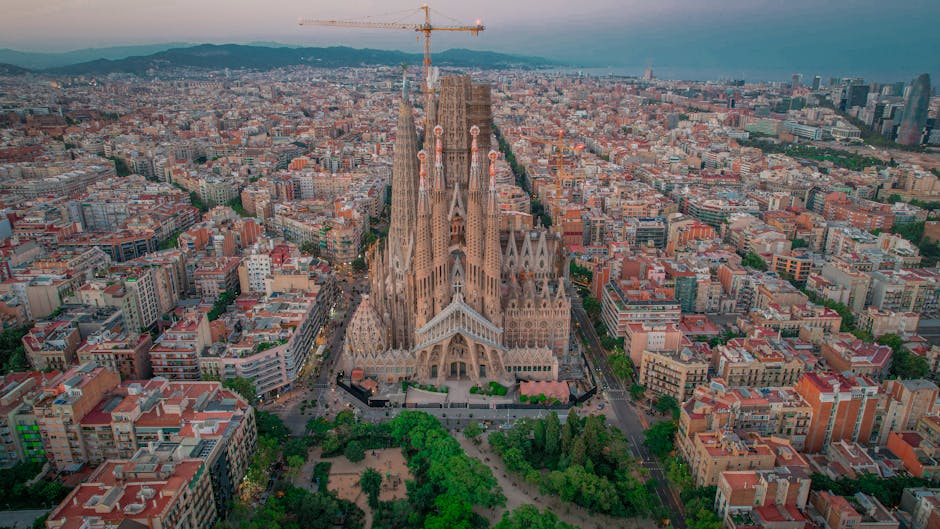
The Sagrada Família is perhaps the most iconic symbol of Barcelona. Construction began in 1882 and continues to this day, making it one of the world’s most famous unfinished buildings. Designed by Gaudí, the basilica combines Gothic and Art Nouveau elements with intricate facades depicting biblical stories. The interior is a breathtaking display of light and color, with towering columns that resemble a forest canopy. Visitors are encouraged to book tickets in advance, especially for access to the towers, which offer panoramic views of the city.
Park Güell
Perched on a hill in the Gràcia district, Park Güell is a whimsical public park that showcases Gaudí’s playful imagination. Originally intended as a housing estate, the project was never completed, but the resulting park has become a beloved landmark. Its mosaic-covered benches, dragon-shaped fountains, and organic architectural forms create a surreal, fairy-tale atmosphere. The park also offers stunning views of Barcelona and the Mediterranean Sea, making it a favorite spot for both tourists and locals.
Casa Batlló and La Pedrera (Casa Milà)
Located along the prestigious Passeig de Gràcia, Casa Batlló and La Pedrera (also known as Casa Milà) are two of Gaudí’s most imaginative residential designs. Casa Batlló, with its skeletal balconies and shimmering mosaic facade, resembles a scene from a dream. La Pedrera, known for its undulating stone exterior and wrought-iron balconies, was revolutionary in its time and remains a masterpiece of modernist architecture. Both buildings offer guided tours that delve into Gaudí’s design philosophy and the history of the families who once lived there.
Historic Neighborhoods and Cultural Districts
Beyond its architectural marvels, Barcelona is a city of distinct neighborhoods, each with its own character and charm. Exploring these districts offers a deeper understanding of the city’s history, culture, and daily life.
Barri Gòtic (Gothic Quarter)
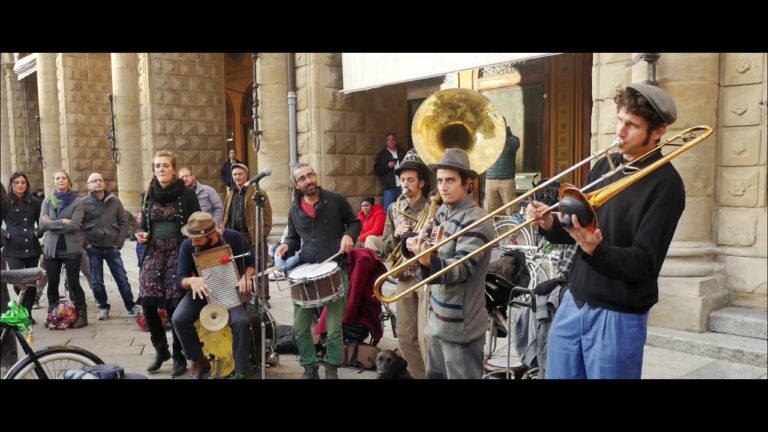
The Gothic Quarter is the historic heart of Barcelona, a maze of narrow medieval streets lined with ancient buildings, hidden plazas, and Roman ruins. At its center stands the Barcelona Cathedral, a stunning example of Catalan Gothic architecture. The area is rich in history, with remnants of the Roman wall and the remains of the ancient city of Barcino. Wandering through the Gothic Quarter feels like stepping back in time, with cozy cafes, artisan shops, and street performers adding to its lively atmosphere.
El Raval
Adjacent to the Gothic Quarter, El Raval is a multicultural and eclectic neighborhood known for its artistic vibe and diverse population. Home to the MACBA (Museum of Contemporary Art) and the CCCB (Centre de Cultura Contemporània de Barcelona), El Raval is a hub for modern culture and creative expression. The area also features the famous Rambla del Raval, a wide pedestrian street lined with palm trees and outdoor cafes. While it has undergone significant gentrification, El Raval retains its edgy, bohemian spirit.
Gràcia
Once an independent village, Gràcia has maintained its village-like charm despite being absorbed into the city. Known for its bohemian atmosphere, Gràcia is filled with independent boutiques, cozy plazas, and a strong sense of community. The neighborhood comes alive during the Festa Major de Gràcia in August, when streets are decorated with elaborate handmade installations. It’s a great place to experience local life and enjoy authentic Catalan cuisine in a relaxed setting.
Museums and Cultural Institutions
Barcelona is home to a wealth of museums and cultural institutions that cater to a wide range of interests, from art and history to science and design.
Picasso Museum
The Picasso Museum houses one of the most extensive collections of the artist’s early works. Located in five adjoining medieval palaces in the Born district, the museum offers insight into Picasso’s formative years and his deep connection to Barcelona. The collection includes over 4,000 works, including drawings, paintings, and ceramics, providing a comprehensive overview of his artistic evolution.
MNAC (National Art Museum of Catalonia)
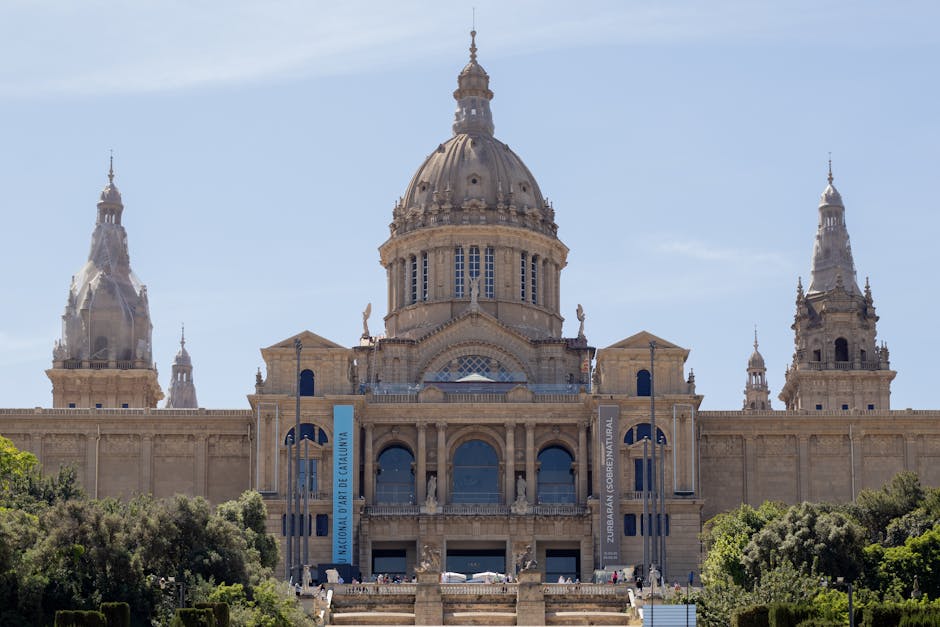
Perched atop Montjuïc hill, the National Art Museum of Catalonia (MNAC) is the city’s premier art museum. Its collection spans from Romanesque murals to modern art, with a particular emphasis on Catalan artists. The museum’s grand staircase and panoramic terrace offer breathtaking views of the city and the port. The Romanesque collection is especially notable, featuring some of the best-preserved frescoes from medieval Catalonia.
Fundació Joan Miró
Dedicated to the works of Joan Miró, one of Catalonia’s most celebrated modern artists, this museum is located on Montjuïc and features a vast collection of paintings, sculptures, and drawings. Miró’s playful, surrealist style is on full display, with works that blend abstraction, symbolism, and vibrant color. The museum also hosts temporary exhibitions and educational programs, making it a dynamic cultural center.
Beaches and Outdoor Spaces
Barcelona’s coastline stretches for over 4.5 kilometers, offering a variety of beaches perfect for relaxation, water sports, and seaside dining. The city’s beaches are easily accessible by public transportation and are well-maintained, with lifeguards, showers, and beachfront bars known as “chiringuitos.”
Barceloneta Beach
Barceloneta is the most famous beach in Barcelona, located just a short walk from the city center. Its golden sand and clear waters make it a popular spot for sunbathing, swimming, and paddleboarding. The beach is lined with seafood restaurants and beach clubs, offering fresh seafood and refreshing drinks. Despite its popularity, Barceloneta retains a lively, local feel, especially in the evenings when families and friends gather for dinner and drinks.
Mar Bella Beach
For a more relaxed atmosphere, Mar Bella Beach is a great alternative. Located a bit further from the city center, it’s popular with locals and offers a quieter experience. The beach is also known for its naturist section and its proximity to the Parc del Fòrum, a modern park with walking paths, playgrounds, and cultural events.
Food and Markets: A Culinary Journey
Barcelona’s culinary scene is as diverse as its culture, with influences from Catalonia, Spain, and the Mediterranean. The city is famous for its tapas, fresh seafood, and innovative cuisine, and exploring its markets is a must for any food lover.
La Boqueria
Located just off La Rambla, La Boqueria is Barcelona’s most famous market and a feast for the senses. Stalls overflow with fresh produce, cured meats, cheeses, seafood, and exotic fruits. It’s a great place to sample local specialties like jamón ibérico, olives, and Catalan pastries. While it can get crowded, especially during peak tourist hours, visiting early in the morning offers a more authentic experience.
Mercat de Santa Caterina
Less touristy than La Boqueria, Mercat de Santa Caterina in the Raval neighborhood offers a more local market experience. Its colorful, wavy roof designed by Enric Miralles is a modern architectural highlight. The market features high-quality produce, seafood, and prepared foods, and is a favorite among locals for daily shopping.
Parks and Green Spaces
Despite its urban density, Barcelona is a green city with numerous parks and open spaces that provide a peaceful escape from the bustling streets.
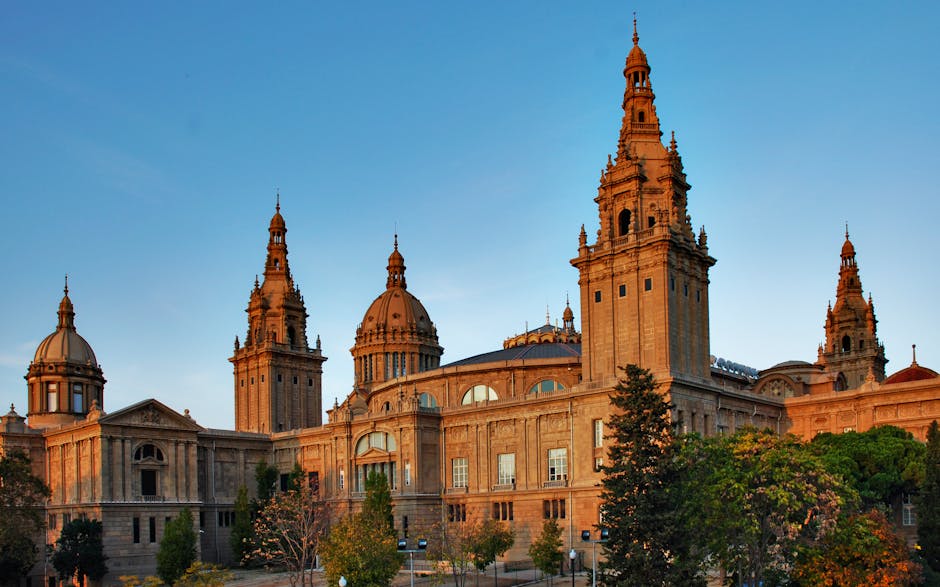
Montjuïc
Montjuïc is a large hill on the edge of the city that offers a mix of history, culture, and nature. It’s home to the Montjuïc Castle, the Magic Fountain, and several museums and gardens. The area was the site of the 1992 Summer Olympics, and many of the facilities, including the Olympic Stadium, are still in use. Walking or biking up Montjuïc rewards visitors with panoramic views of the city and the sea.
Parc de la Ciutadella
This central park is one of Barcelona’s oldest and most beloved green spaces. It features a large lake where visitors can rent rowboats, a zoo, and the Arc de Triomf. The park is a popular spot for picnics, jogging, and people-watching, and its lush gardens and shaded pathways make it a refreshing retreat on hot days.
Practical Tips for Visiting Barcelona
To make the most of your trip, here are some essential tips for navigating Barcelona:
- Use public transportation: Barcelona has an efficient metro, bus, and tram system. Consider purchasing a T-Casual card for multiple rides or a Hola BCN! travel card for unlimited travel.
- Book tickets in advance: Popular attractions like the Sagrada Família and Park Güell often sell out. Booking online in advance saves time and ensures entry.
- Be aware of pickpockets: Like any major city, Barcelona has its share of petty crime. Keep your belongings secure, especially in crowded areas like La Rambla and public transport.
- Learn a few Catalan phrases: While Spanish is widely spoken, Catalan is the official language. A simple “Bon dia” (Good morning) or “Gràcies” (Thank you) goes a long way.
- Respect local customs: Siesta time (usually 2–5 PM) is observed in many shops and restaurants. Dinner is typically served late, often after 9 PM.
Conclusion
Barcelona is a city that captivates the imagination with its unique blend of history, art, and Mediterranean lifestyle. From the awe-inspiring top attractions in Barcelona, Spain like the Sagrada Família and Park Güell to its vibrant neighborhoods, world-class museums, and sun-kissed beaches, there’s something for every traveler. Whether you’re strolling through the Gothic Quarter, savoring tapas at a local market, or marveling at Gaudí’s architectural genius, Barcelona promises an enriching and unforgettable experience. With careful planning and an open mind, your visit to this remarkable city will be nothing short of extraordinary.
FAQ
Q: What is the best time of year to visit Barcelona?
A: The best times to visit Barcelona are during spring (April to June) and fall (September to October), when the weather is pleasant, crowds are manageable, and many cultural events take place.
Q: Do I need to speak Spanish or Catalan to get around?
A: While knowing some basic phrases is helpful, most people in the tourism industry speak English. Signs are often in both Catalan and Spanish, and many locals are multilingual.
Q: Is Barcelona safe for tourists?
A: Yes, Barcelona is generally safe for tourists. However, like any major city, it’s important to stay aware of your surroundings, especially in crowded areas, and take precautions against pickpocketing.